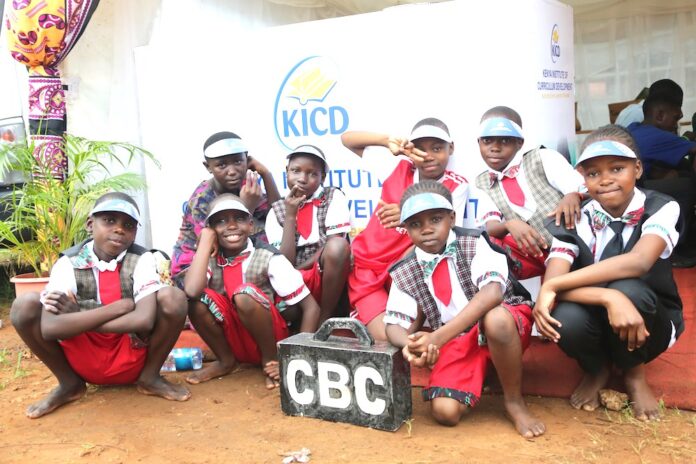
For many years, Kenya’s education system was largely defined by one thing: examination performance. Success in school was measured almost entirely through grades, ranking, and the ability to memorize content for national examinations.
Learners who performed well in examinations were celebrated, while those with practical talents, artistic abilities, technical skills, or unique learning styles were often left behind.
Today, the Competency-Based Education (CBE) curriculum is steadily transforming that narrative.
Despite criticism from some quarters, CBE represents one of the most progressive reforms in Kenya’s education history because it shifts education from rote learning to competence, creativity, innovation, and talent development.
Unlike the old 8-4-4 system, CBE seeks to prepare learners not only to pass examinations but also to solve problems, communicate effectively, work collaboratively, and succeed in real-life situations.
Moving from Memorization to Competence
One of the greatest strengths of CBE is its learner-centered approach. Under the previous system, the teacher was largely the source of knowledge while learners were expected to memorize facts and reproduce them in examinations. This approach often ignores the different talents and abilities learners possess.
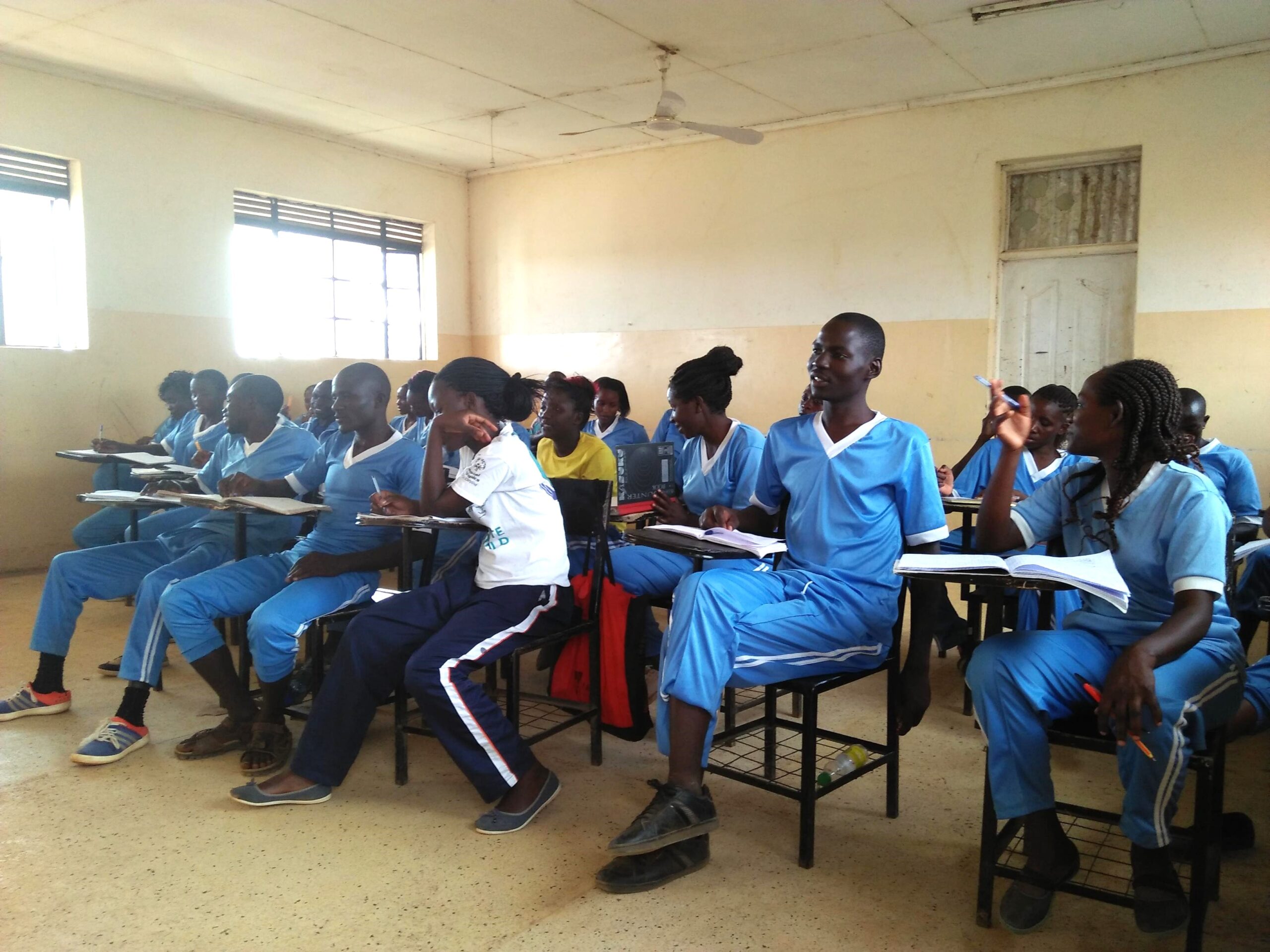
The new education system has changed this completely. Learners are now actively involved in the learning process through projects, discussions, experiments, presentations, and practical activities
The curriculum recognizes that children learn differently and should therefore be nurtured differently.
A learner gifted in music, sports, agriculture, coding, engineering, or art now has an opportunity to grow in that area instead of being judged solely through mathematics and sciences. This makes education more inclusive and realistic.
Focus on Skills for the Real World
Another major strength of CBE is its focus on competencies. The curriculum develops critical thinking, creativity, communication, citizenship, digital literacy, self-efficacy, and problem-solving skills.
ALSO READ:
Class Master: The silent engine behind the smooth running of school operations
In the modern world, employers and societies require more than academic certificates. They require individuals who can innovate, collaborate, adapt, and solve challenges. CBE attempts to bridge the gap between classroom learning and real-life demands.
Learners are also exposed to digital learning from an early age, preparing them for a technology-driven economy. Under the old system, digital literacy was limited and often optional. CBE makes it an essential competency.
Assessment Beyond One Examination
The old education system placed enormous pressure on one final examination. A learner’s future could be determined by performance in a single exam sitting. This created anxiety, unhealthy competition, and overreliance on cramming.
CBE introduces a balance between formative and summative assessment. Learners are continuously assessed through practical activities, projects, class participation, and school-based assessments in addition to national assessments.
This approach gives a more complete picture of a learner’s abilities. It also reduces the unfairness of judging learners using only one examination.
Pathways and Subject Selection in Grade 9
The new system has also introduces pathway selection aimed at helping learners pursue areas aligned with their strengths, interests, and career aspirations.
The three main pathways are: Arts and Sports Science,Social Sciences, STEM (Science, Technology, Engineering and Mathematics)
Within these pathways, learners select subject combinations guided by career interests, teacher recommendations, parental input, and learner abilities.
The Ministry of Education, to make more simplified, has already introduced subject combination codes to simplify the selection process. Schools are helping learners identify combinations that align with future professions and talents.
For example, learners interested in medicine, engineering, or technology may choose STEM-related combinations, while those interested in law, journalism, teaching, or public administration may pursue Social Sciences. Learners gifted in music, fine arts, sports, or theatre may pursue Arts and Sports Science.
This is a major departure from the old system where nearly all learners followed the same rigid structure regardless of interests or talents.
ALSO READ:
TSC transfers embattled Magena Boys principal amid changes of school heads in Kisii
Placement Is Not Based on Performance Alone
One of the most misunderstood aspects of CBE is placement into senior school pathways. Many parents still believe placement depends entirely on examination scores. However, CBE adopts a broader and more humane approach.
Placement considers multiple factors including:
- Learner interests
- Talents and abilities
- Career aspirations
- Subject choices
- Teacher observations
- School-based assessments
- Learner performance
This means a learner who demonstrates strong artistic ability, technical creativity, sporting excellence, or leadership skills can still thrive even if they are not among the top examination performers.
The goal is to ensure learners are placed where they are most likely to succeed and develop fully rather than forcing all learners into the same academic competition.
This approach recognizes that intelligence is diverse. A society requires doctors and engineers, but it also requires artists, technicians, athletes, designers, entrepreneurs, teachers, and innovators.
Greater Flexibility and Local Relevance
CBE also gives schools opportunities for local decision-making and contextualized learning. Learners can engage with projects relevant to their communities and environments. This makes learning more meaningful and practical.
For example, learners in agricultural regions can engage in agricultural innovation projects, while those in coastal regions may explore marine-related activities, tourism, or environmental conservation.
The old system rarely allowed such flexibility because learning was heavily standardized and examination-oriented.
Challenges Still Exist
Like any major reform, CBE still faces implementation challenges. Some schools lack adequate infrastructure, digital devices, and learning materials. Teachers also require continuous training and support. Parents remain concerned about costs and understanding of the system.
However, these challenges do not necessarily mean the curriculum itself is weak. Most education reforms across the world face transition difficulties during implementation.
What matters is strengthening support systems, improving communication, investing in teacher training, and ensuring equity across schools.
The Future of Education
CBE is not perfect, but it offers Kenya an opportunity to create a more balanced, inclusive, and competency-driven education system. It moves education away from the narrow obsession with examination grades and opens doors for learners with different talents and ambitions.
If properly implemented, CBE has the potential to produce a generation that is innovative, skilled, confident, and prepared for the realities of the 21st century.
Education should not only identify who can pass examinations. It should identify and nurture the unique potential in every learner. CBE attempts to do exactly that.
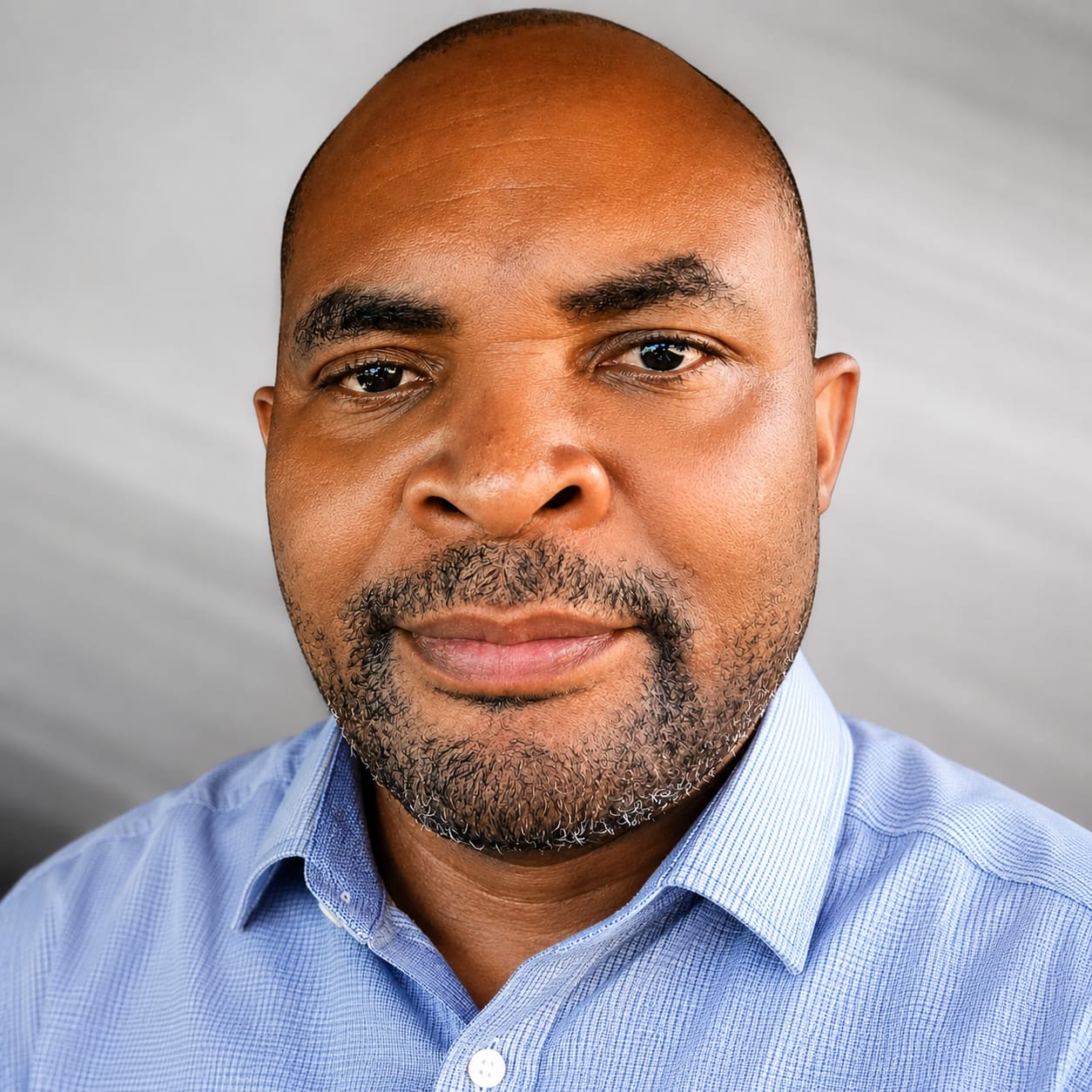
By Polycap Ateto
Polycap Ateto is a master student at Open University of Kenya and also a CBE champion
You can also follow our social media pages on Twitter: Education News KE and Facebook: Education News Newspaper for timely updates.
>>> Click here to stay up-to-date with trending regional stories
>>> Click here to read more informed opinions on the country’s education landscape