Drug and substance abuse in Kenya has evolved from a localised concern into a full-scale national crisis quietly eroding the foundations of families, weakening the education system, and threatening the country’s social and economic stability.
What was once treated as a problem of urban centres and specific regions has now spread into rural villages, peri-urban settlements, and even learning institutions across the republic. According to the National Authority for the Campaign Against Alcohol and Drug Abuse (NACADA), alcohol remains the most widely abused substance, followed closely by bhang, prescription drugs, and increasingly, synthetic narcotics.
The crisis is now firmly established across all regions of Kenya, confirming a deeply rooted national emergency affecting homes, schools, and communities.
At the heart of the crisis is the family unit, which has become its first casualty. Homes that should provide safety, discipline, and emotional stability are increasingly destabilised by addiction. Household income meant for basic needs is diverted to alcohol and drugs, leading to neglect, conflict, and emotional breakdown of family structures.
The damage often begins subtly and escalates into mistrust, domestic violence, and eventual collapse. Children raised in such environments grow up with trauma and instability, making them highly vulnerable to substance use later in life, thereby sustaining a dangerous intergenerational cycle.
Commonly abused substances
Kenya’s drug crisis is driven by multiple substances with varying levels of accessibility and harm.
Alcohol remains the most widely abused substance, including legal beverages and illicit brews such as chang’aa and busaa. Bhang is widely used among youth, while heroin and opioids dominate coastal and urban addiction patterns. Cocaine exists in limited urban circles, while prescription drug misuse is rising rapidly.
Khat (miraa) is common in Eastern Kenya, inhalants affect vulnerable street children, and synthetic drugs are emerging as a new and unpredictable threat.
Hidden and hard-to-detect substances
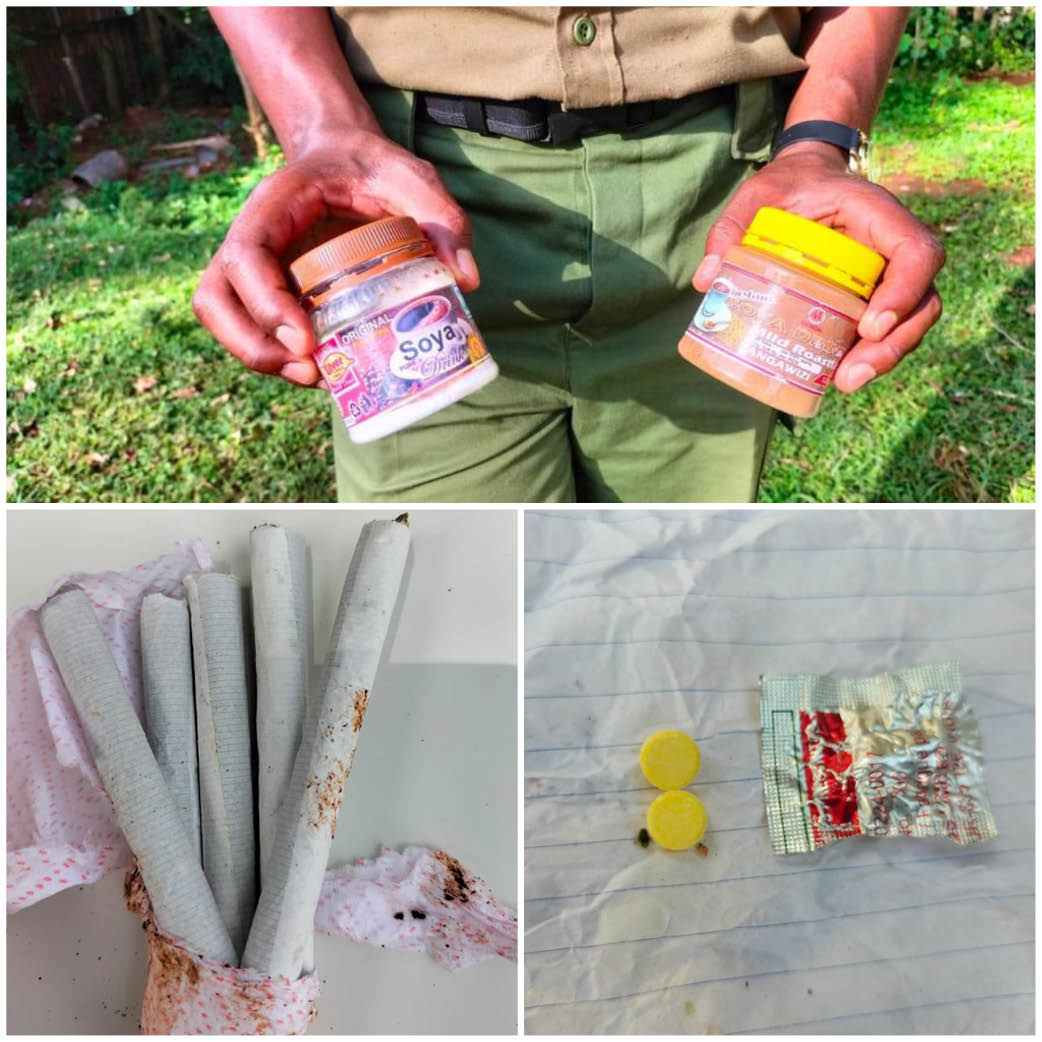
A more dangerous dimension of the crisis lies in substances that are easily concealed and difficult to detect. These include prescription drugs, alcohol disguised in containers, vaping devices, inhalants such as glue and petrol, cannabis edibles, shisha, khat misuse, and synthetic drugs with constantly changing chemical structures.
These hidden forms of abuse make early detection extremely difficult, allowing addiction to develop silently within both homes and schools.
Emerging drug hubs
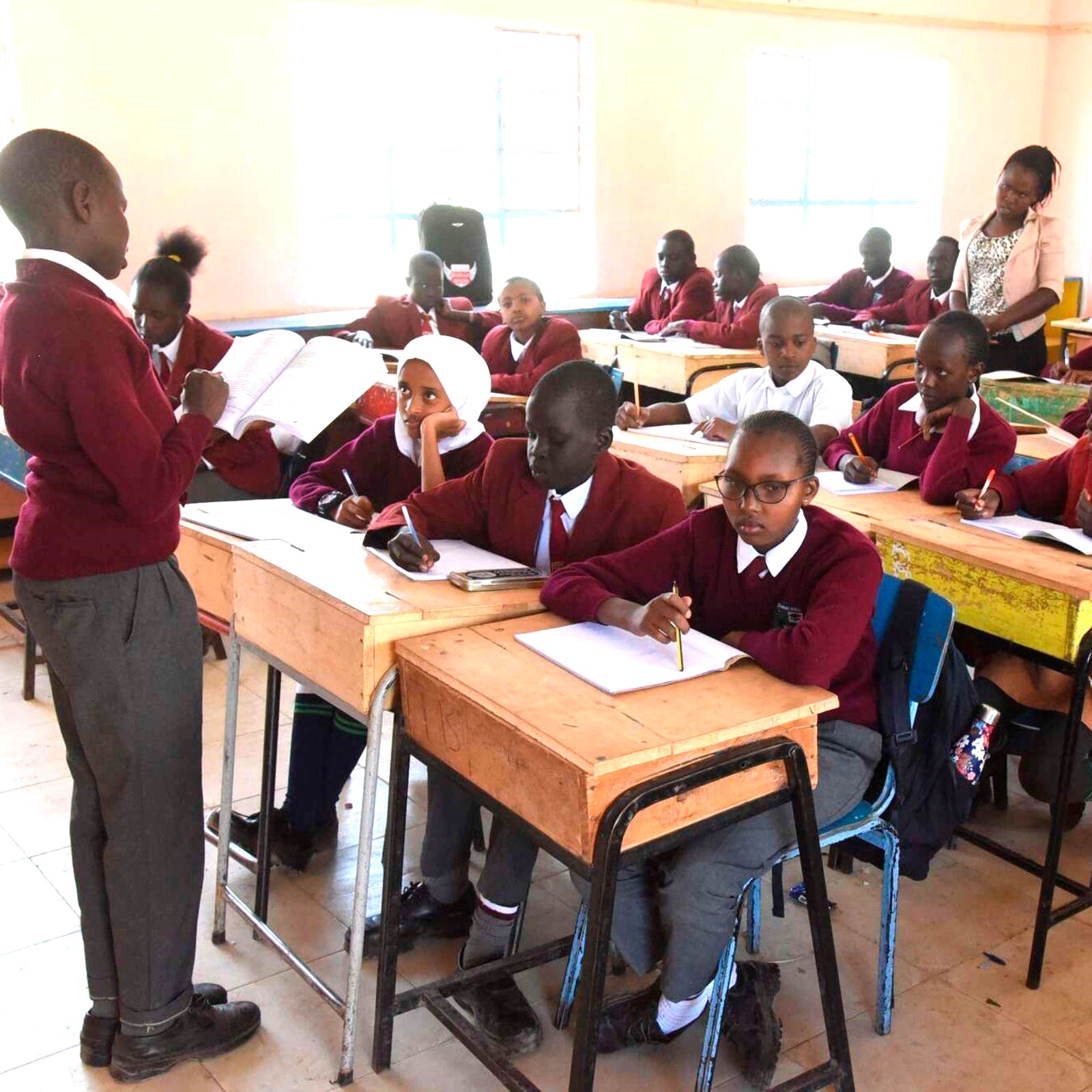
One of the most alarming developments is the increasing role of learning institutions as centres of drug circulation and consumption among youth. Schools are no longer just centres of learning—they are becoming hidden marketplaces where substances are exchanged and used discreetly.
Learners bring vaping devices, bhang edibles, prescription drugs, and alcohol into school environments where peer networks facilitate sharing and circulation. Because many of these substances are small, odourless, or disguised as harmless items, they easily evade detection.
Boarding schools are particularly vulnerable due to reduced parental oversight, while even day schools are affected, as some learners consume substances before or after school hours. This internalisation of drug use within schools has turned institutions into critical frontline spaces of the national crisis, undermining discipline and academic performance while exposing learners to early addiction pathways.
Strict monitoring
In this environment, strict monitoring by teachers is a protective necessity rather than a disciplinary luxury.
It enables early detection of behavioural changes such as absenteeism, secrecy, and declining performance. It also strengthens counselling systems and helps prevent schools from becoming breeding grounds for dependency.
Monitoring, therefore, is not punishment—it is prevention.
Across Kenya, substance abuse shows distinct regional patterns. Western Kenya struggles with alcohol and illicit brews. The Coast region faces heroin and opioid addiction. Nairobi experiences a mixed urban drug crisis. Rift Valley is affected by chang’aa consumption, while Nyanza and Eastern Kenya face alcohol, cannabis, and khat misuse. Northern Kenya is emerging as a new frontier due to trafficking and urban influence.
Despite these differences, the impact remains uniform: broken families, disrupted education, and weakened social systems.
Schools are under immense strain as learners affected by substance abuse struggle with concentration, attendance, and discipline. Academic performance continues to decline while counselling services remain overstretched.
The infiltration of drugs into schools has intensified these challenges, making institutions both vulnerable environments and unintended distribution points for substance access among youth.
Teachers now operate not only as educators but also as counsellors and behavioural supervisors. School leaders face increasing pressure to manage discipline in environments where drugs are increasingly present, stretching institutional capacity beyond limits.

The crisis contributes to unemployment, crime, homelessness, and rising healthcare costs. Addiction-related illnesses and mental health challenges place additional strain on the health system, weakening productivity and national development.
National response
National advocacy efforts, including those led by Dorcas Rigathi, focus on rehabilitation and family restoration. NACADA continues to provide policy direction and research, though experts emphasise that enforcement must be matched with prevention and education.
READ ALSO: NACADA to reach out to students, teachers in anti-drugs drive in Kisii
Kenya must adopt a coordinated strategy involving stronger family systems, expanded school counselling, tighter regulation of substances, enhanced rehabilitation services, and sustained public awareness campaigns.
Conclusion
Kenya is standing inside a silent storm that is no longer silent. It is present in broken homes, struggling classrooms, and the uncertain future of a generation caught between potential and destruction. Drugs have not only entered society—they have learned how to move quietly within it.
Yet the crisis is not beyond repair. With disciplined families, vigilant schools, stronger enforcement, and sustained national commitment, the tide can still be reversed. Every child protected, every learner guided back, and every household restored becomes proof that the storm can be contained.
The warning has already been issued by reality itself. What remains is action—decisive, collective, and unrelenting.
Kenya will either be defined by how deeply the storm spreads or by how firmly it is stopped.
By Hillary Muhalya
You can also follow our social media pages on Twitter: Education News KE and Facebook: Education News Newspaper for timely updates.
>>> Click here to stay up-to-date with trending regional stories
>>> Click here to read more informed opinions on the country’s education landscape
>>> Click here to stay ahead with the latest national news.