Kenya has made major progress in expanding access to education, ensuring that more children are in school than ever before. As this foundation continues to strengthen, the conversation is increasingly shifting toward gender equality in education, not only in terms of who is in school, but in terms of how learners experience school once they are there.
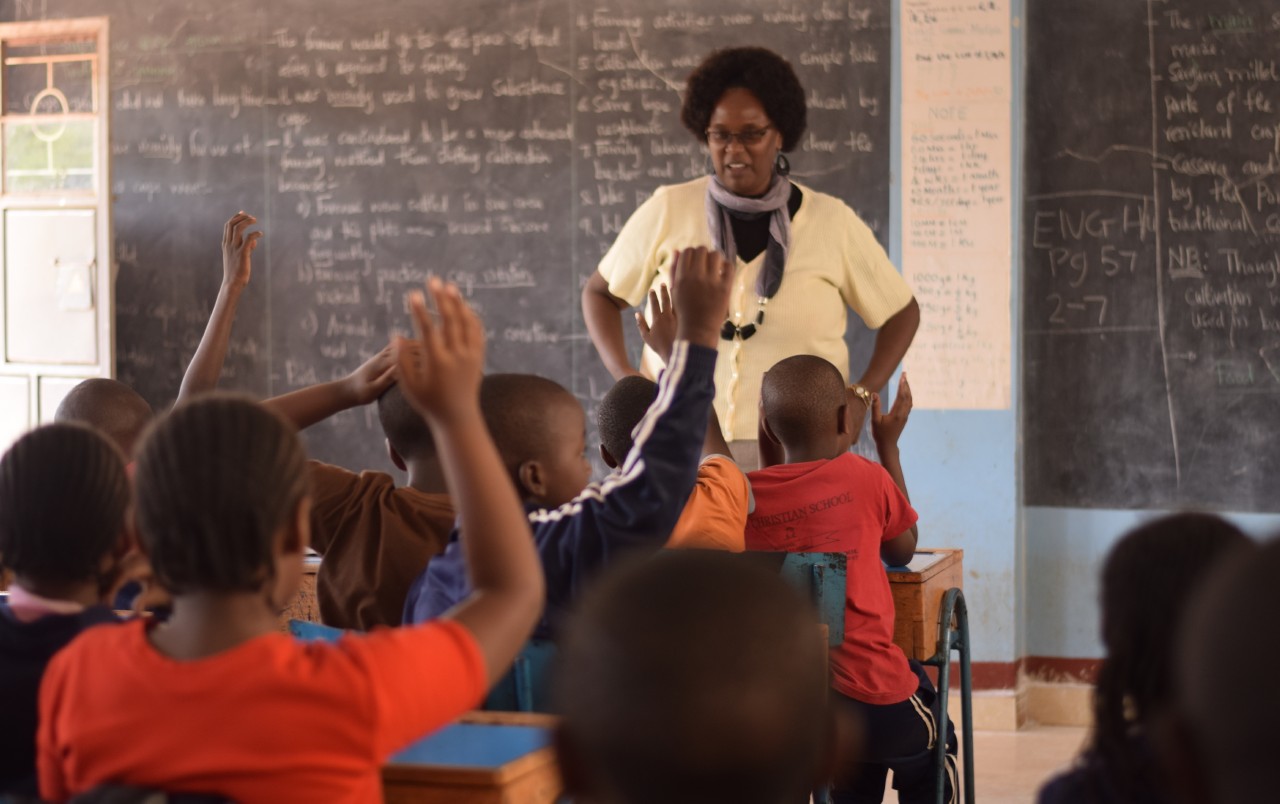
That experience is shaped in quiet, everyday ways that have a huge impact. You see it in who raises their hand in class, who gets that nudge to try again, or what expectations teachers set for different learners. These practices build up over time from how we teach, the routines we set in the classroom, and the way schools are run. That is where gender equality in education really starts to show up—in those practical, day-to-day moments.
Kenya has made progress in advancing gender equality in education, supported by a strong policy foundation anchored in the Constitution of Kenya and sector reforms that promote access, retention, and inclusion. Efforts such as re-entry guidelines, the push for 100 per cent transition, and a growing institutional focus on gender have contributed to improved enrolment and participation for both girls and boys. This progress provides an important foundation while also shifting attention to a more complex question: how these gains are experienced within classrooms daily.
Recent work through the Leading Learning for Gender Equality (LL4GE) initiative, supported by the British Council in partnership with Dignitas, offers a useful perspective on how this shift can happen. Implemented across public primary schools in Machakos and Homa Bay, the programme focuses on strengthening how school leaders support teaching and learning, with a more deliberate focus on inclusion and participation.
Rather than introducing entirely new structures, the work centres on how existing roles are carried out. School leaders were supported to monitor classroom instruction, observe lessons more consistently, and engage more closely with teachers in their practice. Over time, this has begun to influence how teaching happens. Classroom observation by school leaders increased significantly over the course of the programme, alongside stronger engagement in supporting teachers through mentoring and professional development. These shifts, while technical on the surface, point to a broader change in how leadership is exercised within schools.
As leaders become more present and engaged in teaching and learning, classrooms begin to reflect that shift. Participation becomes more balanced, teaching approaches become more inclusive, and there is greater awareness of how different learners engage. What emerges is not a complete transformation overnight, but a steady change in how classrooms function and how learners experience them.
This leads to an important lesson. Progress in gender equality does not always require entirely new policies or systems; it often depends on how well existing ones are implemented and supported. Kenya’s policy framework already provides a strong foundation, anchored in instruments such as the Constitution of Kenya. The opportunity now lies in ensuring that these commitments are consistently reflected in practice across schools.
This is where alignment across the system becomes important. As approaches like those seen in LL4GE continue to show results, there is a growing opportunity to strengthen how they are supported through leadership development, teacher support systems, and ongoing professional learning. Institutions such as the Kenya Education Management Institute play a central role in this process, particularly in preparing and supporting school leaders to engage more closely with what happens in classrooms.
READ ALSO: Efforts on gender equality and social development strained by funding gaps, senators warn
What is emerging is a clearer understanding that gender equality in education is not a separate agenda, but part of improving the quality of teaching and learning more broadly. It is about ensuring that every learner is supported to participate, progress, and succeed within the classroom.
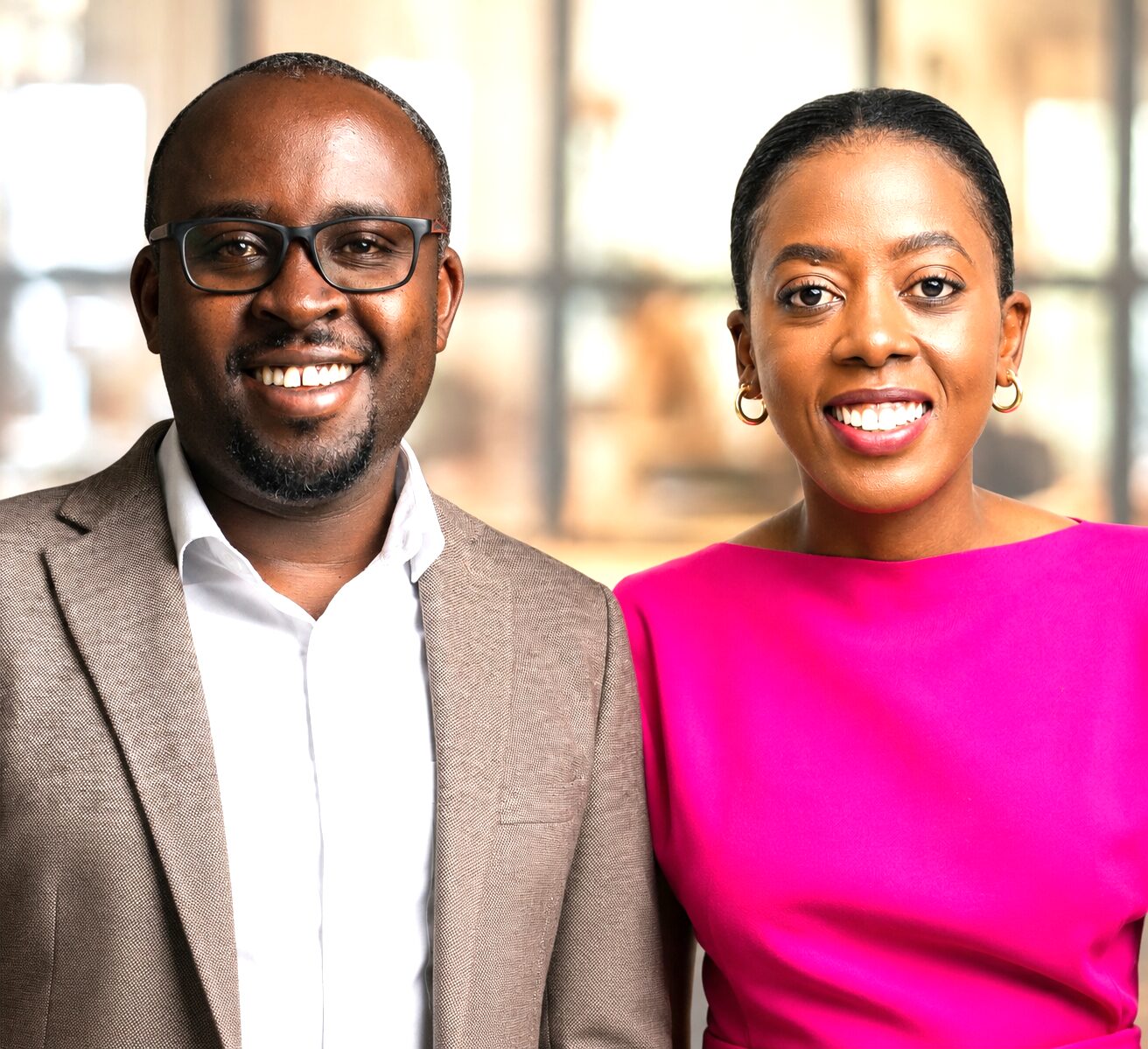
By Ng’ang’a Kibandi and Selina Sumba
Selina Sumba is a communications professional at Dignitas focused on strategic storytelling for social impact, while Ng’ang’a Kibandi is a Partnerships and Advocacy Director dedicated to advancing education through research, programme design, and policy advocacy across Africa.
You can also follow our social media pages on Twitter: Education News KE and Facebook: Education News Newspaper for timely updates.
>>> Click here to stay up-to-date with trending regional stories
>>> Click here to read more informed opinions on the country’s education landscape