The Kenya National Examinations Council (KNEC) report through its Chief Executive Officer Prof.David Njeng’ere, have cast a sharp and somewhat uncomfortable light on the state of Competency-Based Education (CBE) in Kenya.
At the heart of the concern is a crisis in foundational learning. According to KNEC assessment data, 73.2% of Grade 3 learners have not attained expected numeracy levels, while 58.9% fall below required literacy benchmarks. These figures are not mere statistics; they represent millions of learners struggling with the most basic competencies.
This is not just a learning gap; it is a systemic fault line. Education builds on itself, layer upon layer. If over 70% of learners lack numeracy skills and close to 60% struggle with literacy, then progression becomes a procedural formality rather than a reflection of competence. Learners move forward, but their skills remain behind. The result is a silent crisis—classrooms filled with children who are present, promoted, but fundamentally unprepared.
This raises a critical and uncomfortable question: are learners advancing through the system without mastery? The evidence points to a resounding yes. CBE was designed to ensure that no learner progresses without demonstrating competence. Yet the current data suggests that this principle is being compromised in practice. The system risks becoming what it sought to replace—one where progression is detached from actual learning.
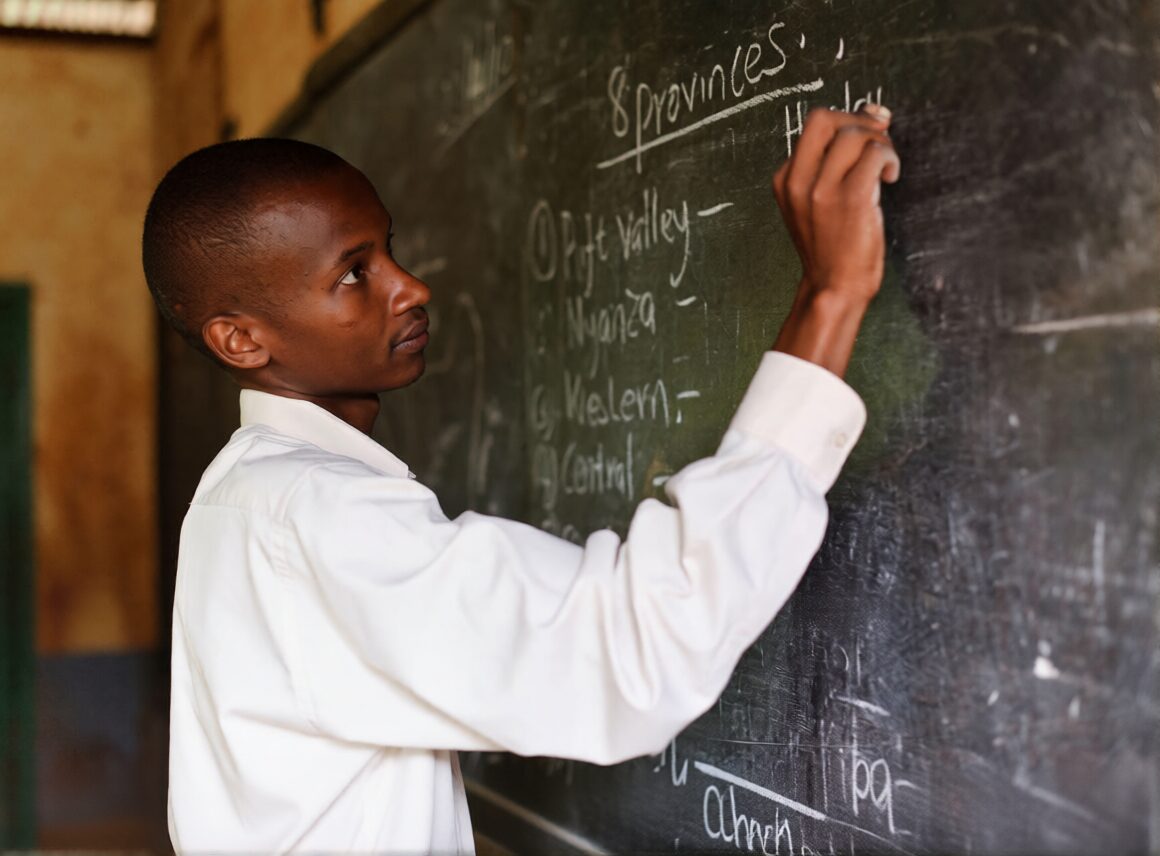
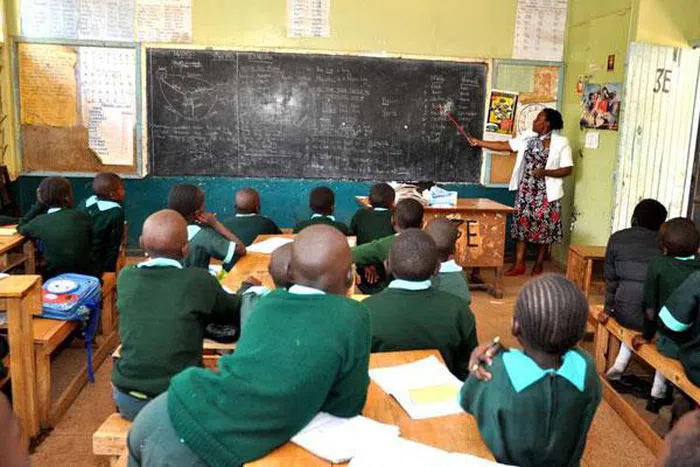
The classroom is where this contradiction is most visible. Despite the shift to competency-based learning, traditional teaching methods still dominate. A significant portion of instructional time—often estimated at over 60%—is still teacher-centered, driven by lectures and rote memorization. In such an environment, competencies are talked about but rarely developed. The philosophy of CBE remains on paper, while the practice remains rooted in the past.
ALSO READ:
However, the issue is not resistance, but readiness. Teachers are at the center of this reform, yet many remain underprepared for its demands. While orientation programs have been conducted, deep professional capacity in competency-based assessment is still lacking. It is estimated that fewer than 50% of teachers feel fully confident in designing and applying assessment tools such as rubrics. This gap has direct consequences. Without the ability to measure competencies accurately, the entire assessment framework becomes fragile.
Assessment, in fact, is emerging as one of the most delicate aspects of CBE implementation. Continuous school-based assessment is meant to provide a holistic view of learner development, but it also introduces variability. Without strong standardization, the same competency can be graded differently across schools. This inconsistency threatens the credibility of the system. When scores vary not because of learner ability but because of assessment differences, trust in the outcomes begins to erode.
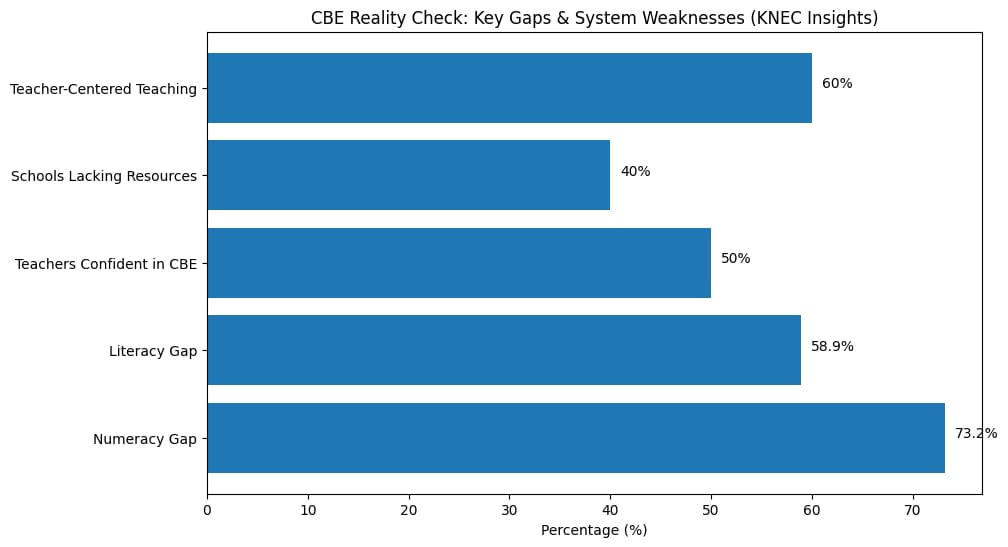
Layered onto these challenges is the persistent issue of inequality. Not all schools operate under the same conditions. In many parts of the country, especially in marginalized regions, access to learning materials remains limited. In some areas, more than 40% of schools lack essential resources required for effective competency-based learning. This creates a deeply uneven playing field. A learner in a well-equipped school has a vastly different educational experience from one in an under-resourced environment.
Human resource disparities compound this inequality. Teacher shortages continue to strain the system, with some schools operating under high pupil-teacher ratios. In such settings, individualized assessment—the cornerstone of CBE—becomes nearly impossible. When a teacher is responsible for large numbers of learners, the depth and quality of engagement inevitably suffer.
As Kenya approaches the transition to senior school under the CBE framework, these foundational weaknesses take on even greater urgency. The system envisions learners selecting pathways based on their strengths and competencies. But if over 50% of learners struggle with literacy and over 70% with numeracy, the question of readiness becomes unavoidable. Without solid foundational skills, the promise of specialized learning pathways risks becoming a privilege for a few rather than a right for all.
ALSO READ:
Turkana Deputy Governor re-affirms county’s commitment to child welfare
What, then, must be done? The answer begins with a shift in focus. The system must move from coverage to mastery. Foundational learning—literacy and numeracy—must be treated as non-negotiable. Interventions must aim to reduce the proportion of learners below benchmark levels from 73.2% to below 30% in numeracy, and from 58.9% to below 20% in literacy. These are not just targets; they are necessities.
Teacher capacity must be strengthened with urgency and depth. The goal should be to move from a situation where less than half of teachers feel prepared, to one where at least 90% are fully equipped to implement CBE effectively. This will require sustained investment in training, mentorship, and continuous professional development.
Assessment systems must also be reinforced. Standardization, moderation, and the integration of technology can help ensure consistency and credibility. As the national custodian of assessment, KNEC has a critical role to play in safeguarding the integrity of the system while guiding its evolution.
Infrastructure development is equally essential. Every school must be equipped with the basic tools required for competency-based learning. Ensuring that 100% of schools have access to essential learning materials should be treated as a baseline requirement, not an aspirational goal.
Ultimately, the success of CBE will not be determined by policy documents or rollout timelines, but by the lived experiences of learners. The percentages highlighted by KNEC are more than figures—they are signals. They point to gaps that must be closed, systems that must be strengthened, and priorities that must be realigned.
The message from KNEC and its CEO is clear and urgent. The vision of competency-based education remains sound, but its implementation is under strain. The cracks are visible, and the data is compelling. What is required now is decisive action.
Kenya stands at a critical juncture in its education reform journey. The promise of CBE is still within reach, but only if the current gaps are addressed with honesty, urgency, and commitment. When 73.2% of learners cannot count effectively and 58.9% cannot read at the expected level, the system is sending a clear signal: the foundation needs fixing.
The future of education depends on how that signal is answered.
By Hillary Muhalya
You can also follow our social media pages on Twitter: Education News KE and Facebook: Education News Newspaper for timely updates.
>>> Click here to stay up-to-date with trending regional stories
>>> Click here to read more informed opinions on the country’s education landscape