At 24, I knew exactly the kind of man I would settle for. If you had asked me then, I would have answered without hesitation, almost as if I had been waiting for the question. I had clarity, structure, and language. I could describe him in detail – his personality, his values, how he would communicate, even how he would make me feel. It all seemed so certain, so organised. Back then, love felt like something you could define ahead of time, like a carefully constructed idea that reality would eventually match. There was comfort in that certainty, in believing that if I knew what I wanted well enough, I would recognise it instantly when it appeared.
Now, as I approach 30, the same question lands very differently. When someone asks me what my type of man is, I laugh – not because I find it amusing, but because I no longer have an answer that fits into words the way it used to. It’s not that I don’t know what I want. If anything, I understand it more deeply now than I ever did before. The difference is that what I know no longer exists as a list I can recite. It exists as something internal, something instinctive, something I feel rather than explain.
These days, whenever I meet someone new, I give them about twenty minutes. Not in any formal or rigid way, but there is an internal window where I observe, listen and pay attention without forcing anything. I am not trying to interrogate or impress; I am simply present, watching how they show up when they are just being themselves. Within that short time, certain things begin to reveal themselves in ways that are difficult to ignore. I notice whether they are self-aware, whether they can communicate clearly and honestly, and whether they carry a sense of stability within themselves. These are not questions I ask directly, but answers that surface through tone, response, and presence. There is a kind of quiet clarity that comes from paying attention without expectation.
If, within those moments, something feels off, I no longer try to rationalise it. I don’t tell myself to give it more time or to see if things will improve. I used to do that. I used to allow people space to grow on me, to explain themselves, to become what I hoped they might be. I invested in potential, in possibilities that had not yet taken shape. Sometimes it felt hopeful, but more often than not, it led to disappointment. Experience has a way of teaching you what not to ignore.
Now, I don’t wait for alignment to develop. I expect it to be present from the beginning, not in a perfect or complete form, but in a way that feels real and grounded. If it isn’t there, I disengage. It doesn’t always look dramatic from the outside. Sometimes it is simply a quiet withdrawal, a shift in attention, a decision made internally before it is ever expressed outwardly. It may seem abrupt, but to me it feels honest, like respecting something I have learned not to overlook.
I have also become more attuned to energy in a way I didn’t fully understand before. There are things you can’t always explain logically but can feel immediately. Misaligned energy, forced chemistry, subtle pressure or even something as small as an interaction that feels slightly unnatural – these things register quickly now. I don’t dismiss them as overthinking or sensitivity. I trust them. Even something as minor as how someone holds a conversation or occupies a moment can tell me more than words ever could.
What unsettles me more than anything, though, is the pressure that often surrounds these interactions. The reminders about time, the subtle or direct references to age, the language of the so-called biological clock, and the expectation that I should now be more willing to compromise simply because I am nearing a certain stage in life. I find it deeply uncomfortable, even offensive at times. Not because I am unaware of time, but because I refuse to let it dictate something as significant as who I choose to be with. The idea that I should overlook what feels wrong in order to meet an external timeline does not sit well with me.
I know that from the outside, this might look like I have become more difficult, more selective, perhaps even too quick to dismiss. But that interpretation doesn’t reflect what is actually happening. I haven’t become harder to please; I have become more precise. I no longer need a detailed description of my type because I am no longer operating from theory. What I once understood in words, I now recognise in feeling. I know when something fits, and I know when it doesn’t, often without needing to explain why.
READ ALSO: How to speak so people listen: The four secrets of powerful communication
So when I laugh at that question, it is not because I am lost or uncertain. It is because I have moved beyond needing to answer it in the way I once did. What I am looking for has not disappeared; it has simply changed form, becoming something quieter, sharper and far more difficult to put into words.
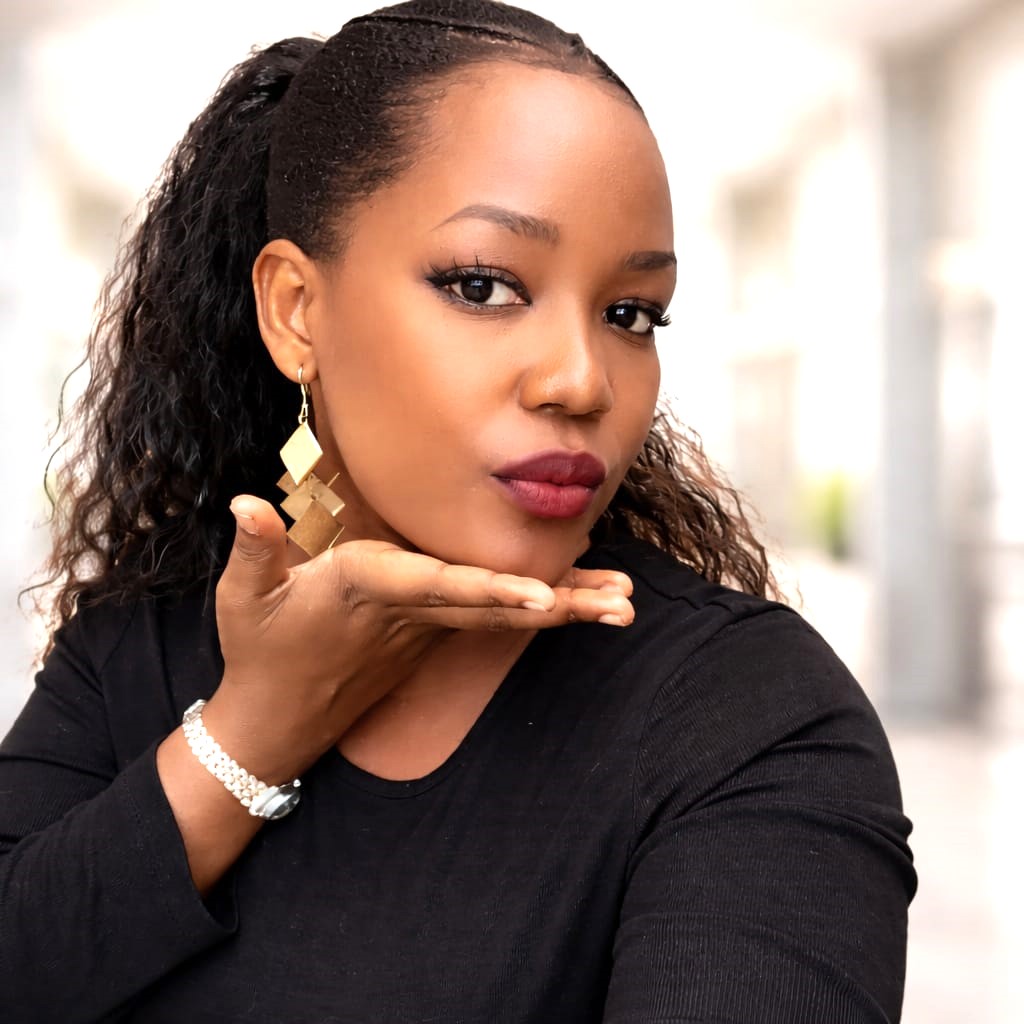
By Joyce Oduor
Joyce teaches at Lily Senior School – Mwihoko.
You can also follow our social media pages on Twitter: Education News KE and Facebook: Education News Newspaper for timely updates.
>>> Click here to stay up-to-date with trending regional stories
>>> Click here to read more informed opinions on the country’s education landscape
>>> Click here to stay ahead with the latest national news.