



In retrospect, in 2016, there were two key about turns by the Ministry of Education (MoE) policy regarding university admissions. Dr. Fred Matiangi’ was the Cabinet Secretary (CS) of Education at that point in time. So, there were two significant changes. One, abolishing of Module 2 or Parallel Programmes in universities. Two, they phased out the Bridging Programme, which existed as from 2008.
Therefore, Form Four leavers who are ripe to join both public and private university should know, Bridging Programmes are defunct. They are no longer in existence. So, no Form Four leaver should be hoodwinked by any institution purporting to offering the Bridging Programme. For that career misstep may dent their future academic and professional qualifications for entry into world of work. Just to put the record straight.
As from 2008 to 2016, there was the bridging route, which allowed newbies in universities to bridge knowledge in subjects they flopped in, but were integral as cluster subjects in courses they wished to pursue in universities. These were more so, in languages (English or Kiswahili), Mathematics and Sciences (Biology, Chemistry and Physics), which remain problematic to most students, but are core-career subjects. After bridging knowledge in those academic disciplines, students qualified to pursue certificate or diploma courses, which acted as prerequisites for particular university requirements.
Again, under the previous Bridging Programme, the upgrade programme featured in two variations. The first one targeted the students who qualified for direct entry into universities, but missed the required grade in the requisite subject by 1 point for the degree courses of choice.
ALSO READ:
https://educationnews.co.ke/cs-ogamba-affirms-validity-of-kim-certificates-issued-during-legally-authorised-period/
Additionally, there was the Pre-University Programme (PUP), a bridging course that spanned for 6 months or so. It was for post-secondary school students that failed to achieve grades needed for direct entry into university, missing it by one point or so.
Now, this matter is confusing plenty of people because in July 2023, the Executive arm of government had hinted about re-introduction of bridging courses. This was based on a document titled Cabinet Memorandum on Provision of Bridging Programmes to Support Access to Quality University Education. In that regard, the Cabinet approved bridging programmes, and directed the Ministry of Education MoE to develop raft of guidelines towards the same. So, the public must wait for MoEs communication. It is foolhardy to say the Bridging Programme is in existence.
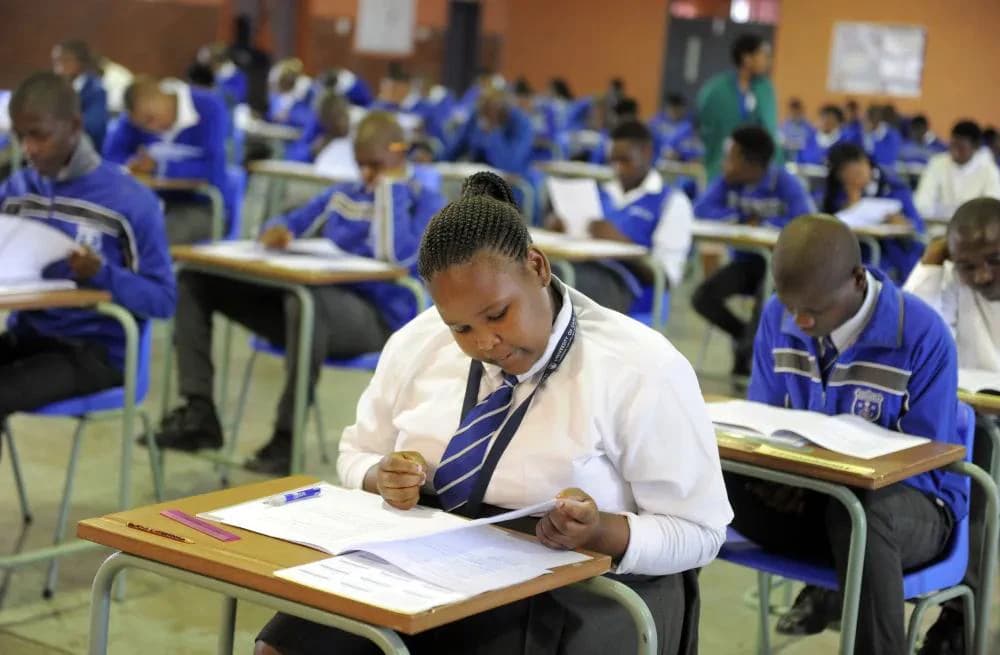
Conversely, why the clamour for re-introduction of bridging courses? This is due to strict university entry requirements, which limit several students to pursue degree programmes. Statistically speaking, KCSE performance has been nose-diving. Ostensibly, only about 20% of Form Four candidates that sit to write KCSE exams qualify to attain mean grade of C+ (plus) of 46 points, which is the minimum entry requirement into degree programmes offered in both public and private universities.
Therefore, in case there is the restoration of Bridging Programmes into Kenyan universities, it will make tertiary education more accessible, inclusive and equitable. It will be a sigh of relief to some public universities that at the brink of collapse due to acute cash crunch. It will enable them to increase the number of students that enroll under self-sponsorship programmes, which to them, can be a major source of revenue.
Comparatively, Bridging Programmes are extant in countries such as UK, Australia and South Africa. For instance, in UK, they have Access to Higher Education Diplomas: 1 year (full-time) or 2 years (part-time) diploma courses that target students who failed to meet the minimum university requirements.
Finally, in Australia, they have Enabling Programme and Bridge the Gap in University. As qualifications for struggling students. More so, for marginalised groups. Likewise, in South Africa, a student must sit for Matriculation Exam (Matric). The results of Matric determine the entry into a particular programme. Students who fail to attain grades to pursue a particular course enroll for the Bridging Programme.
By Victor Ochieng’
Victor Ochieng’ is a career educator. He guides students on how to make informed career choices. vochieng.90@gmail.com. 0704420232
You can also follow our social media pages on Twitter: Education News KE and Facebook: Education News Newspaper for timely updates.
>>> Click here to stay up-to-date with trending regional stories
>>> Click here to read more informed opinions on the country’s education landscape


Reader Discussion (0)
Sign in to comment