The national debate on hardship allowances for teachers has now widened into a deeper constitutional and moral question: who is responsible for the safety, welfare, and survival of teachers once they are posted to hardship areas?
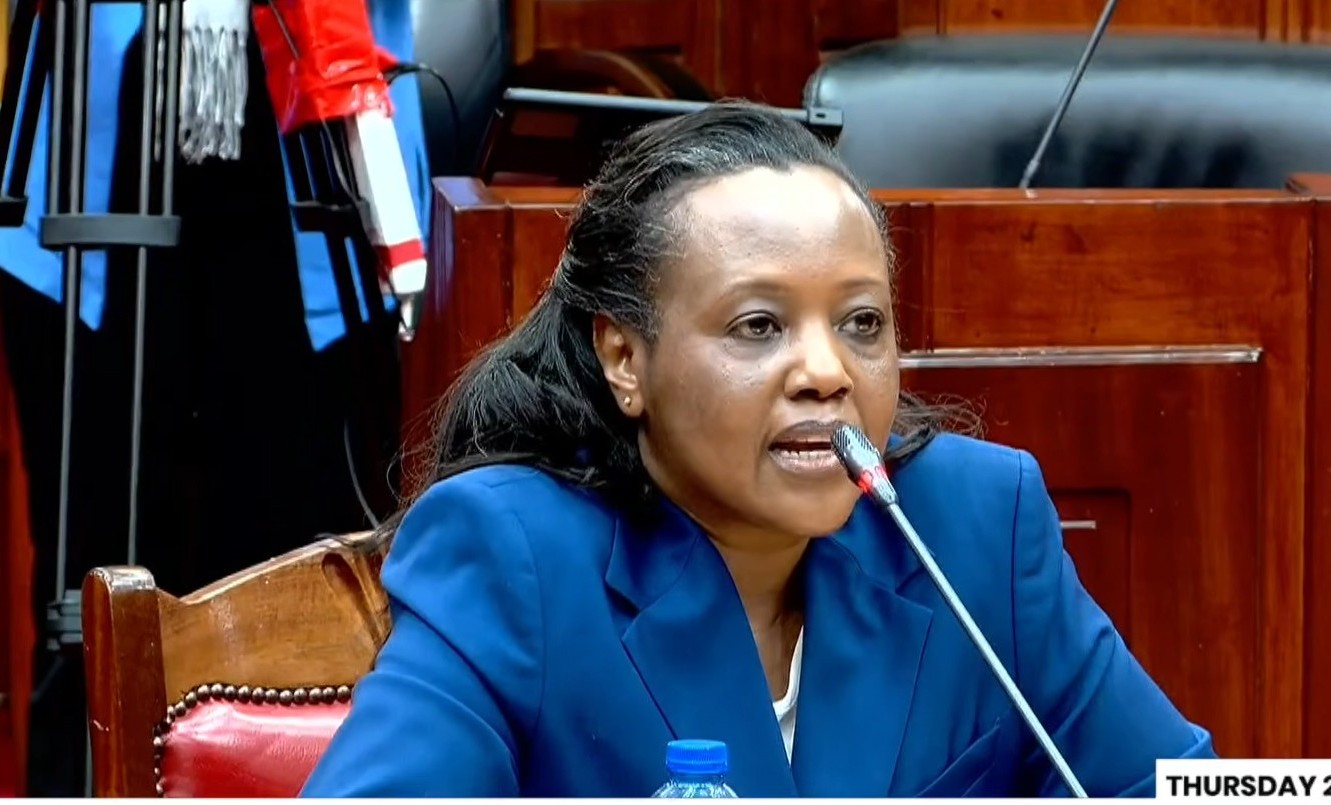
This question gained renewed urgency when Dr. Jane Kere Imbunya appeared before the National Assembly Committee on Education chaired by Julius Melly, alongside officials from the Public Service Commission and the Salaries and Remuneration Commission.
At the heart of the matter is a system that posts teachers to some of the most difficult environments in the country, yet leaves a lingering question about whether the state fully closes the loop on protection once deployment is done.
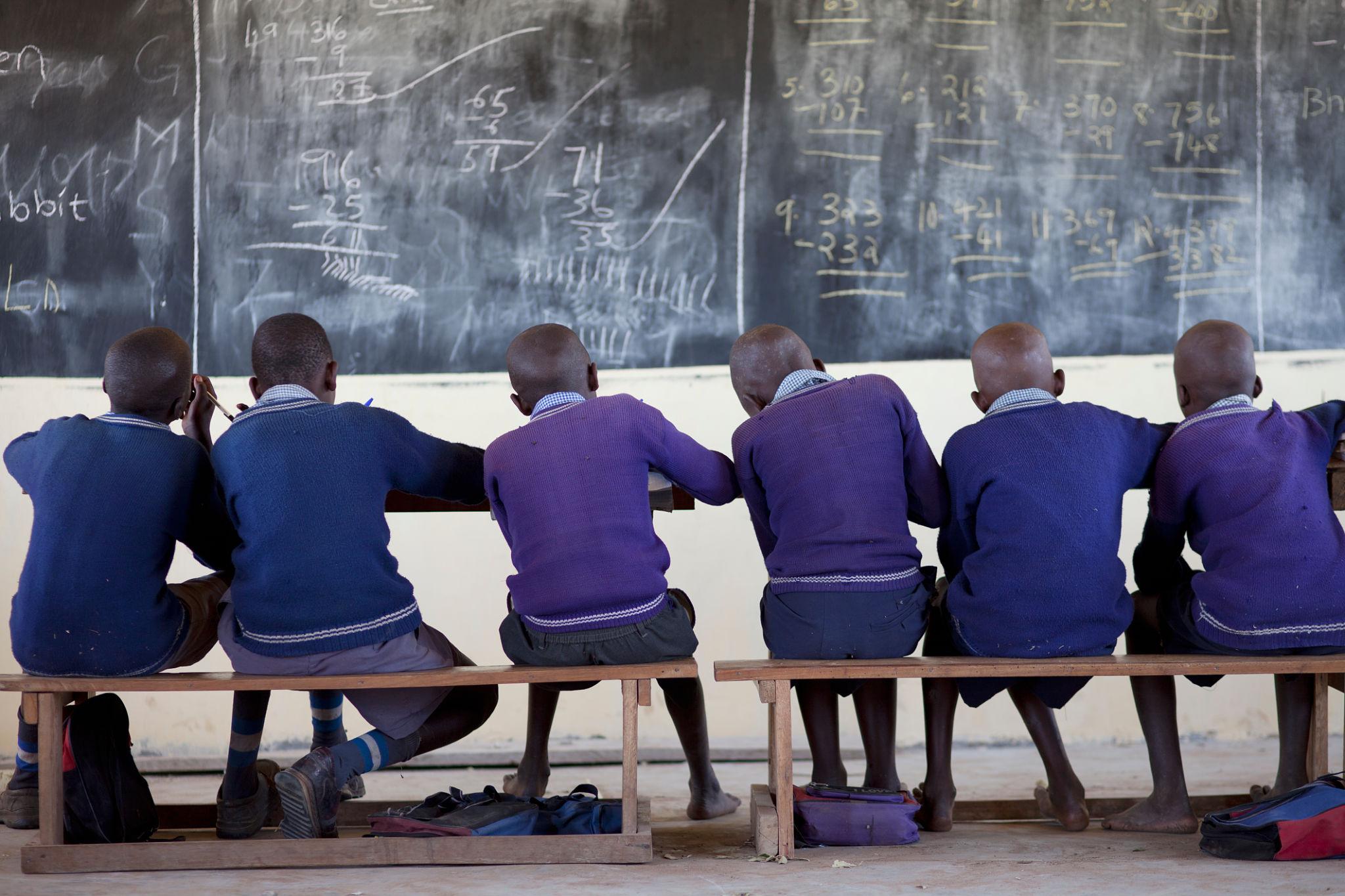
Hardship areas in Kenya are broadly categorized into extreme, moderate, and low or disputed zones, but behind these classifications lies a far more complex reality. Extreme hardship areas such as Turkana, Mandera, Wajir, Marsabit, Garissa, Samburu, Isiolo, West Pokot, Tana River, Lamu, and remote parts of Baringo and Taita Taveta are defined by harsh climate, long distances, weak infrastructure, and in some cases insecurity linked to banditry and inter-community conflict. In these regions, teachers often travel under risk, live in isolated settlements, and operate far from emergency services.
ALSO READ;
CUE summons Mukhisa Kituyi over claims of ‘ghost graduates’ at MMUST
Moderate hardship areas, including parts of Kilifi (Ganze, Magarini), Kwale (Kinango), Narok (Loita and Mara regions), Kajiado’s remote belts, Kitui, Makueni, Mwingi, Tharaka, Mbeere, Nyeri (Kieni), Kisumu (Muhoroni and Sondu), Busia (Budalangi), and rural Kiambu pockets such as Ndeiya and Karai—present a different but still difficult reality. Here, development is uneven, infrastructure is patchy, and access to services remains inconsistent. Low or disputed hardship pockets such as Suba (Mfangano and Rusinga Islands), Kuria, Laikipia’s remote areas, and parts of Nyandarua and Nakuru rural belts remain in a grey zone where recognition and actual conditions often do not align.
Across all these categories, the hardship allowance structure under the Teachers Service Commission remains strictly tied to job group rather than the severity of conditions alone. A teacher in Job Group B5 earns about Ksh 6,600 per month, C1 earns about Ksh 8,200, C2 earns Ksh 10,900, C3 earns Ksh 12,300, and C4 earns Ksh 14,650. At higher levels, C5 earns about Ksh 17,100, while principals in D1 and D2 receive about Ksh 27,300. Senior principals in D3 and D4 earn around Ksh 31,500, and chief principals in D5 receive up to Ksh 38,100.
This creates a striking contradiction: teachers working side by side in the same hardship school may receive vastly different allowances depending on rank, not exposure to the same risks or isolation. It is one of the central issues now under review by policymakers.
But beyond pay and classification lies a more fundamental concern, safety and responsibility after deployment.
In principle, responsibility for teacher safety in hardship areas is shared across multiple actors. The national government, through interior and security structures, carries the primary duty of protection by deploying police officers, administrative chiefs, and ensuring response to insecurity incidents. The Teachers Service Commission is responsible for deployment and staffing but does not provide physical security on the ground, relying instead on other state agencies.
County governments play a supporting role through infrastructure development such as roads, housing, and local services that reduce isolation, while Parliament, led in part by committees such as the one chaired by Julius Melly, is tasked with oversight, budgeting, and ensuring accountability across ministries and agencies. At the grassroots level, local administration and community leadership, including chiefs and elders, form an informal but critical layer of protection and mediation.
Yet despite this layered framework, a recurring concern persists: after posting, the protection system is often not felt strongly enough on the ground. Teachers are deployed faithfully into remote areas, but sustained engagement with local communities, consistent security presence, and rapid emergency response are not always guaranteed. In many cases, teachers become the most exposed public servants in those environments, relying on distance, personal resilience, and informal community goodwill for safety.
This gap becomes more serious when viewed against the real dangers faced in hardship zones. In some extreme regions, insecurity from banditry or conflict makes travel to school risky. In others, isolation itself becomes a form of vulnerability, with teachers cut off from emergency care, communication networks, and rapid assistance. There have been tragic instances over time where teachers have been injured or lost their lives due to insecurity, accidents in remote terrain, or delayed access to medical help, events that continue to shape the emotional reality of teaching in such regions.
ALSO READ;
TVETs ready for CBE cohort as State deepens shift to skills-based training
Even in moderate and low hardship zones, risks persist in quieter forms: long distances to health facilities, seasonal floods cutting off roads, weak infrastructure, and prolonged isolation that contributes to stress, burnout, and professional fatigue.
It is this combination of insecurity, isolation, uneven development, and compensation disparities that has intensified calls for reform. Dr. Jane Kere Imbunya’s engagement with Parliament reflects a growing recognition that hardship policy cannot be separated from safety policy. The involvement of the Salaries and Remuneration Commission further highlights the balancing act between fairness and fiscal sustainability, even as pressure mounts to address long-standing inequities.
At the core of the debate is a simple but unresolved question: does Kenya’s system fully protect and fairly compensate teachers once it sends them into hardship areas?
For now, teachers continue to serve in extreme, moderate, and disputed hardship zones, often under difficult, and sometimes dangerous, conditions. They do so within a system that recognizes their posting, partially compensates their hardship, but still leaves open the question of whether responsibility truly ends at deployment, or continues through sustained protection and engagement on the ground.
And until that question is fully answered, the reality remains unchanged: in Kenya’s hardship areas, teaching is not only a profession, it is an act of endurance.
By Hillary Muhalya
You can also follow our social media pages on Twitter: Education News KE and Facebook: Education News Newspaper for timely updates.
>>> Click here to stay up-to-date with trending regional stories
>>> Click here to read more informed opinions on the country’s education landscape