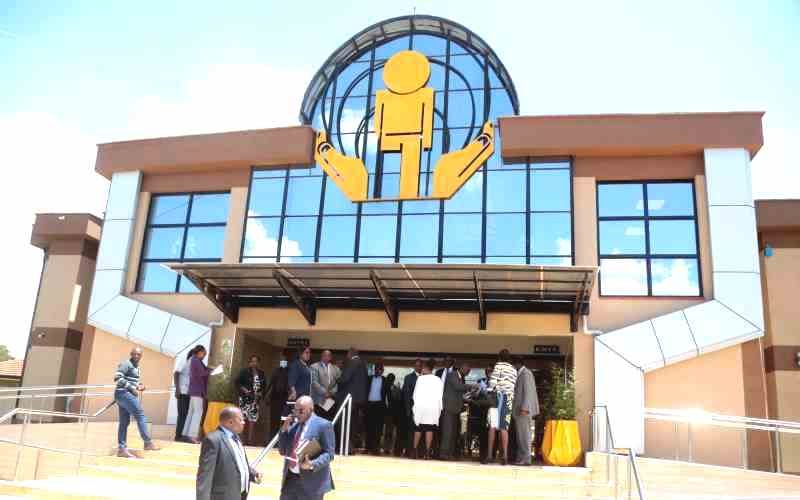
The Ministry of Education, through Basic Education Principal Secretary, Prof. Julius Bitok, has announced the recruitment of teachers for the 2026 Special Needs Education (SNE) Diploma (Full-Time In-Service) course at the Kenya Institute of Special Education (KISE).
The two-year programme, set to commence in 2026, offers teachers an opportunity to specialize in various areas of Special Needs Education, including Visual Impairment, Hearing Impairment, Physical Disabilities, Intellectual and Developmental Disabilities, Autism, and Deafblind Education.
Interested teachers are invited to submit their applications for the course. Application forms are available in the ministry of education website or County Director of Education (CDE) or Sub-County Director of Education (SCDE), they must be fully completed and submitted in person to the Sub-County Director of Education (SCDE) offices no later than April 20, 2026.
ALSO READ;
Pay Teachers Now: KNEC must honour its contractual obligations without further delay
All applications received by the SCDE offices will be forwarded to Jogoo House by May 2, 2026, for further processing.
To be eligible, applicants must be under the age of 50 years. They should hold a P1 certificate or have been promoted to P1 status through teacher proficiency courses. Additionally, only serving teachers with at least five years of experience under the Teachers Service Commission (TSC) are eligible to apply.
This initiative aims to enhance the capacity of teachers to cater to the diverse needs of students with special needs across the country, contributing to the advancement of inclusive education in Kenya.
For more details, teachers are encouraged to contact their local SCDE office or visit the Ministry of Education’s official communication channels.
By Obegi Malack
You can also follow our social media pages on Twitter: Education News KE and Facebook: Education News Newspaper for timely updates.
>>> Click here to stay up-to-date with trending regional stories
>>> Click here to read more informed opinions on the country’s education landscape