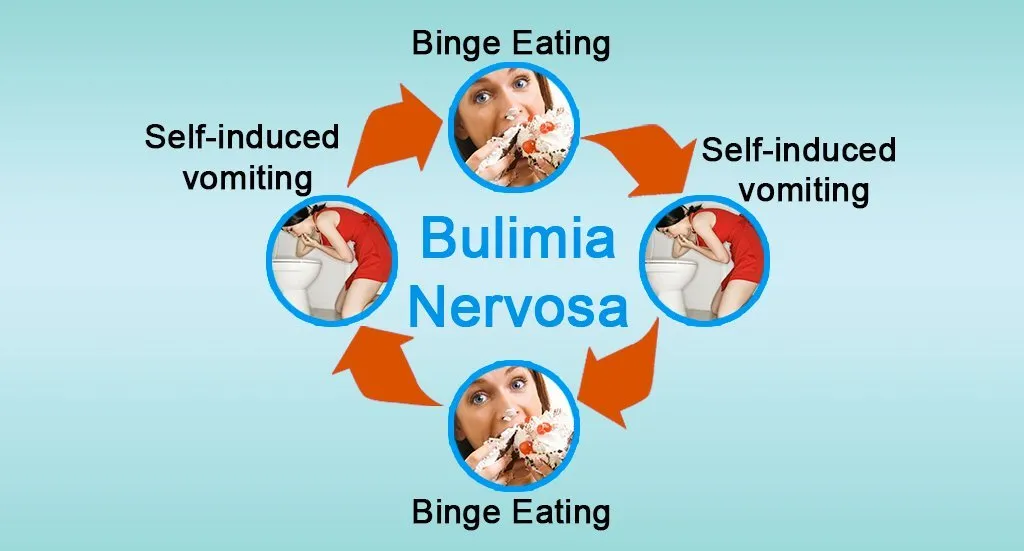
Bulimia Nervosa is a serious eating disorder in which a person repeatedly eats large amounts of food within a short period of time and then forces the food out of the body, most commonly through self-induced vomiting. This cycle of binge eating and purging is usually driven by an intense fear of gaining weight and a deep dissatisfaction with one’s body image.
Among students, especially adolescent girls, the pressure to appear slim and attractive often becomes overwhelming. In many school environments and social media spaces, slimness is presented as a sign of beauty, confidence, and popularity. Some learners therefore begin to view food as the enemy and their bodies as projects that must constantly be controlled. In the attempt to maintain a thin body shape, they may secretly binge on food when emotions become too strong and then purge afterward to avoid weight gain. What begins as an attempt to remain slim gradually develops into a destructive habit that affects both health and learning.
The teenage years are a particularly vulnerable period for the development of bulimia nervosa because adolescents are still forming their identities and self-esteem. At this stage, peer approval and social acceptance become extremely important. A careless comment about weight, a teasing nickname, or constant comparison with images of “perfect bodies” online can deeply affect how a young person views themselves.
Many girls internalize the idea that being slim is necessary to be admired or accepted. When they feel they cannot naturally achieve that ideal body shape, they may turn to unhealthy strategies such as vomiting after meals, abusing laxatives, or starving themselves after binge eating. Because these behaviors are often carried out secretly, teachers and parents may not immediately notice that a learner is struggling with an eating disorder.
ALSO READ:
MoE reshuffles principals of national polytechnics in fresh changes
Bulimia Nervosa has profound physical effects that can interfere with a student’s ability to function effectively in school. Frequent vomiting weakens the body by causing dehydration and loss of essential nutrients needed for normal body functioning. Learners may experience fatigue, dizziness, headaches, and stomach pains, making it difficult to concentrate during lessons.
The body requires balanced nutrition to fuel the brain, and when nutrients are lost through repeated purging, cognitive performance may decline. Students may struggle to focus on complex tasks, remember information, or remain attentive in class. Over time, the constant strain on the body may also lead to frequent illness and absenteeism from school.
Beyond the physical impact, bulimia nervosa also has serious psychological consequences that affect learning. Many students who suffer from the disorder experience intense feelings of guilt, shame, and anxiety after binge eating episodes. These emotions often dominate their thoughts and distract them from academic work.
Instead of concentrating on classroom discussions or assignments, their minds may be occupied with worries about body weight, food intake, or how to hide their behavior from others. Some learners may avoid eating in public places such as the school dining hall or during break time, isolating themselves from friends and social activities. This isolation can lead to loneliness and depression, further weakening their engagement with school life.
The cycle of bingeing and purging can also create patterns of secrecy that interfere with healthy relationships in the school environment. Students may become withdrawn, defensive, or unusually sensitive when discussions about food or body image arise. Teachers might notice sudden mood swings, declining academic performance, or changes in social behavior without understanding the underlying cause. Because eating disorders carry a strong stigma, learners often feel too ashamed to speak openly about their struggles. As a result, the disorder can silently erode both academic potential and emotional wellbeing.
ALSO READ:
Reforms in the TVET sector lauded for enhancing training, creating jobs
In addition, the obsession with body weight can consume a learner’s mental energy and time. A student suffering from bulimia may spend long periods planning when to eat, when to purge, or how to hide food. They may constantly check their body in mirrors, compare themselves with classmates, or weigh themselves repeatedly. This fixation leaves little mental space for creativity, curiosity, and critical thinking, which are essential for effective learning. Schoolwork begins to feel less important than maintaining a particular body image, and academic motivation may gradually decline.
Schools therefore play an important role in identifying and addressing eating disorders among learners. Teachers, guidance counselors, and school administrators should be attentive to signs such as frequent bathroom visits after meals, sudden weight changes, persistent fatigue, or unusual eating habits. More importantly, schools should cultivate environments where students feel valued for their abilities, character, and talents rather than their physical appearance. Discussions about healthy lifestyles, body positivity, and mental wellbeing can help learners develop balanced attitudes toward food and self-image.
Parents and caregivers also have a critical role in supporting young people. Open communication at home encourages students to share their fears and insecurities before they develop into harmful behaviors. When signs of bulimia nervosa appear, early intervention through counseling and medical support can prevent the condition from worsening. Recovery is possible when students receive understanding, guidance, and professional help.
Understanding bulimia nervosa in the context of learning reminds educators that academic performance cannot be separated from students’ physical and emotional health. A learner struggling with an eating disorder is not simply facing a dietary issue but a complex challenge that touches identity, confidence, and wellbeing. When schools create supportive environments and promote healthy attitudes toward body image, they not only protect students’ health but also nurture minds that are free to learn, grow, and thrive.
By Ashford Kimani
Ashford teaches English and Literature in Gatundu North Sub-county and serves as Dean of Studies.
You can also follow our social media pages on Twitter: Education News KE and Facebook: Education News Newspaper for timely updates.
>>> Click here to stay up-to-date with trending regional stories
>>> Click here to read more informed opinions on the country’s education landscape