The engagement and likely absorption of technical teachers into Kenya’s mainstream education system marks a transformative moment in the country’s education reform, led by the Teachers Service Commission (TSC).
Initially appearing in policy discussions and media reports, this move has now crystallized into a clear strategy that promises to redefine the teaching profession, enhance practical learning, and align education more closely with the demands of the Competency-Based Education (CBE) system.
Senior voices within TSC have been at the forefront of this conversation. Reuben Nthamburi, addressing the acute shortage of specialized teachers for senior school pathways, emphasized that TSC is ready to absorb technically skilled personnel wherever they exist. He noted that the success of the new CBE curriculum hinges on the availability of instructors capable of teaching both theory and practice, and that the Commission is committed to ensuring that schools have the personnel they need. His remarks reflect a pragmatic and forward-looking approach, acknowledging that modern education requires more than textbook knowledge—it demands practical skills and real-world competence.
The need for technical teachers in Kenya cannot be overstated. As the CBE framework takes root, education is no longer just about memorization or theoretical understanding. Learners are expected to acquire practical competencies that can be applied in real-world situations. Certain subjects, in particular, require urgent attention due to severe teacher shortages and the practical nature of learning.
These include engineering studies, electrical installation, metalwork, woodworking, automotive mechanics, agriculture, home science, information and communication technology (ICT), creative arts, and sports science. Without qualified technical teachers in these areas, students risk being taught only theory, leaving them unprepared for higher education, entrepreneurship, or the workforce.
How these subjects were taught before CBE
Before CBE, technical subjects in Kenyan schools were often taught in a largely theoretical and classroom-based manner, even though they required practical skills. Traditional teachers—academically trained but often lacking hands-on expertise—were responsible for delivering lessons. Instruction relied heavily on lectures, textbooks, diagrams, and occasional demonstrations, with limited practical exposure.
ALSO READ:
Rift Valley Secondary Term One Games Rugby 15s fixtures released
For example, engineering studies, electrical installation, and automotive mechanics were largely taught through diagrams and conceptual explanations. Students rarely had the opportunity to operate machines or carry out full practical projects. In agriculture and home science, lessons focused on theory such as crop rotation, soil composition, or household management, while real-life application on farms or kitchens was minimal. Similarly, ICT instruction emphasized programming syntax, software theory, or basic keyboarding skills, with little exposure to networking, hardware troubleshooting, or applied projects.
Even subjects like creative arts and sports science were limited to classroom demonstrations or controlled exercises, offering students little chance to develop portfolios, practical experience, or industry-ready skills. As a result, many students left school with theoretical knowledge but insufficient practical skills to apply what they had learned, contributing to a persistent mismatch between education and employment readiness.
This approach highlighted a clear gap in the education system—a gap that CBE aims to close by emphasizing competency, skill application, and hands-on learning. Technical teachers, with both practical and theoretical expertise, are central to this shift, enabling students to gain real-world experience and confidence in performing tasks relevant to modern workplaces.
Why technical subjects are very important
Technical subjects are essential because they bridge the gap between theory and practical application, ensuring students acquire skills that are immediately usable in real life. They allow learners to develop employable competencies, solve problems, and innovate—skills that academic subjects alone cannot provide.
In CBE, the focus is on what learners can do, not just what they can recall. Hands-on subjects like ICT, metalwork, and home science allow students to demonstrate competencies, develop projects, and engage in problem-solving exercises that mirror real-world challenges. Students trained in technical disciplines leave school ready to enter the workforce, start businesses, or pursue further studies in specialized fields.
Technical subjects also promote entrepreneurship, creativity, and critical thinking. For example, students studying woodworking, automotive mechanics, or ICT can develop products, offer services, or start small businesses, fostering self-reliance and innovation. Practical problem-solving in technical disciplines—troubleshooting machines, designing circuits, or creating agricultural solutions—teaches learners to think analytically, adapt, and iterate solutions.
From a national perspective, technical subjects are vital for development. They produce skilled technicians, engineers, ICT professionals, artisans, and innovators, forming the backbone of industrial growth, infrastructure development, and technological progress. By embedding these skills in the school curriculum, Kenya invests in a workforce capable of driving economic development and national innovation.
ALSO READ:
Additionally, technical subjects cater to diverse learner profiles. Not all students excel in academic theory, but many thrive in practical, hands-on environments. By valuing multiple intelligences—kinesthetic, visual, and practical—technical subjects ensure that no talent goes unrecognized, creating more equitable education outcomes.
Finally, the skills gained in technical subjects are lifelong. Unlike some theoretical knowledge that may become outdated, practical skills in areas like ICT, agriculture, automotive mechanics, and creative arts remain relevant throughout life and can be continuously applied, adapted, and refined.
Technical teachers vs traditional teachers
Technical teachers differ from traditional academic teachers in several fundamental ways. While traditional teachers focus on pedagogy, curriculum delivery, and academic theory, technical teachers are trained in TVET institutions with a strong emphasis on hands-on experience, industry-standard practices, and practical problem-solving. They are equipped to teach subjects that require direct application and often have prior industry experience.
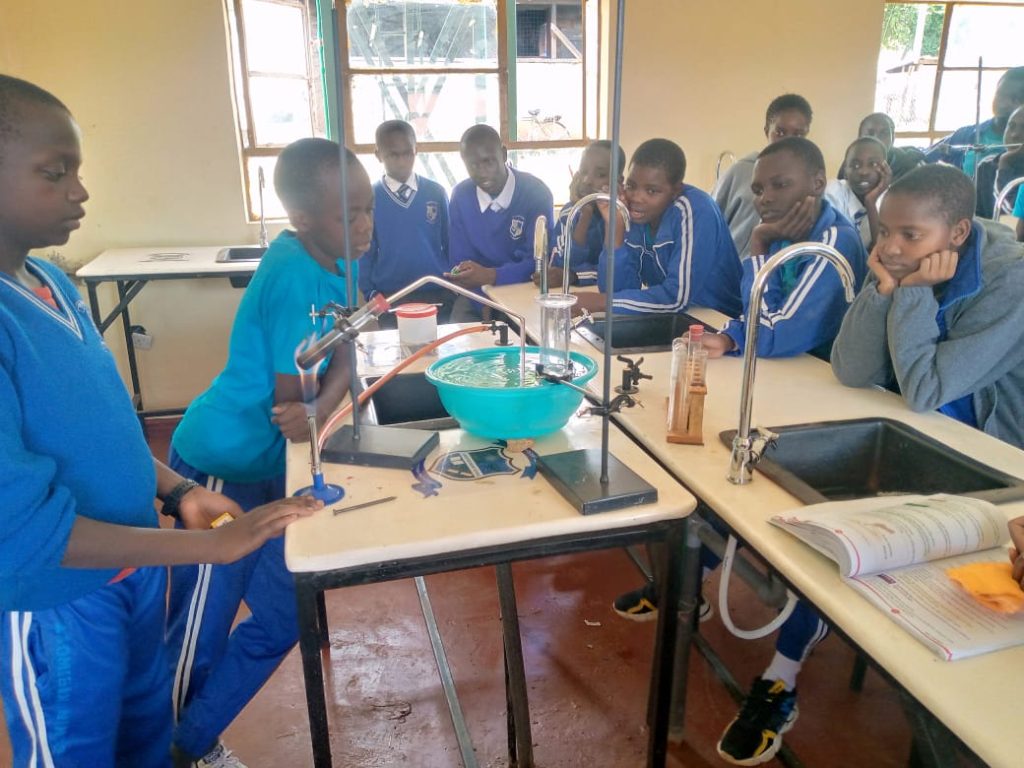
In the classroom, technical teachers use workshops, laboratories, project-based learning, and demonstrations. Students learn to operate machinery, construct or repair equipment, conduct experiments, and create tangible products. Traditional teachers, by contrast, rely primarily on lectures, discussions, written exercises, and exams. While academic mastery is essential, it often does not translate into practical competency, making technical teachers indispensable for the success of CBE.
Integration and National Development
Collaboration with the Technical and Vocational Education and Training Authority strengthens this initiative. TVETA regulates and accredits technical institutions and certifies professionals with industry-aligned skills. By working closely with this authority, TSC can identify qualified instructors and integrate them into secondary schools, bridging the gap between technical colleges and mainstream education. This ensures students acquire skills aligned with industry standards, increasing employability and fostering entrepreneurship.
For technical teachers, integration into TSC presents significant professional opportunities. Many have historically worked in TVET institutions outside the mainstream school system. By joining TSC, these instructors gain career progression, improved remuneration, and recognition. Traditional teachers may also upskill to remain competitive, creating a more versatile workforce.
ALSO READ:
Makueni County to proceed with 44 projects to KSEF regionals, eyes glory
Technical teachers also play a critical role in national development. A skilled workforce drives industrial growth, technological advancement, and infrastructure development. By embedding technical competency at the school level, Kenya ensures its future workforce is prepared to innovate, solve problems, and contribute meaningfully to the nation’s economic progress.
Beyond economic and developmental aspects, technical teachers nurture creativity, problem-solving, and innovation in students. Practical subjects teach learners to troubleshoot, experiment, and think critically—skills essential in a rapidly changing global economy.
The move to integrate technical teachers into mainstream education is part of a broader transformation of the Kenyan school system. It recognizes that education must evolve to meet modern realities, balancing academic knowledge with practical skills. Technical teachers bridge the gap between theory and practice, prepare students for employment and entrepreneurship, and develop skills critical for national development.
Education in Kenya is entering a new era, where success is measured not only by exams but also by the ability to innovate, apply knowledge, and solve real-world problems. By absorbing technical teachers, the Teachers Service Commission ensures schools have the expertise needed to deliver this vision. It is a strategic, transformative step that promises to produce graduates capable of thriving in life, in the workforce, and in nation-building.
The engagement and absorption of technical teachers signals a commitment to modernizing education, fostering inclusivity, and preparing a generation of students who are both thinkers and doers. With these educators, Kenya is ensuring that its learners are equipped with the knowledge, practical skills, creativity, and confidence to navigate the challenges of the 21st century.
By Hillary Muhalya
You can also follow our social media pages on Twitter: Education News KE and Facebook: Education News Newspaper for timely updates.
>>> Click here to stay up-to-date with trending regional stories
>>> Click here to read more informed opinions on the country’s education landscape