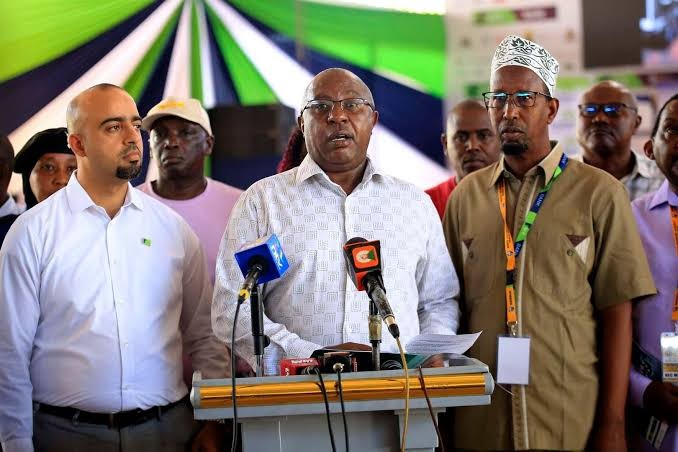
West Pokot County is making bold strides toward better water and sanitation as a high-level delegation from the Kenya Water, Sanitation and Hygiene (K-WASH) programme visited the region yesterday.
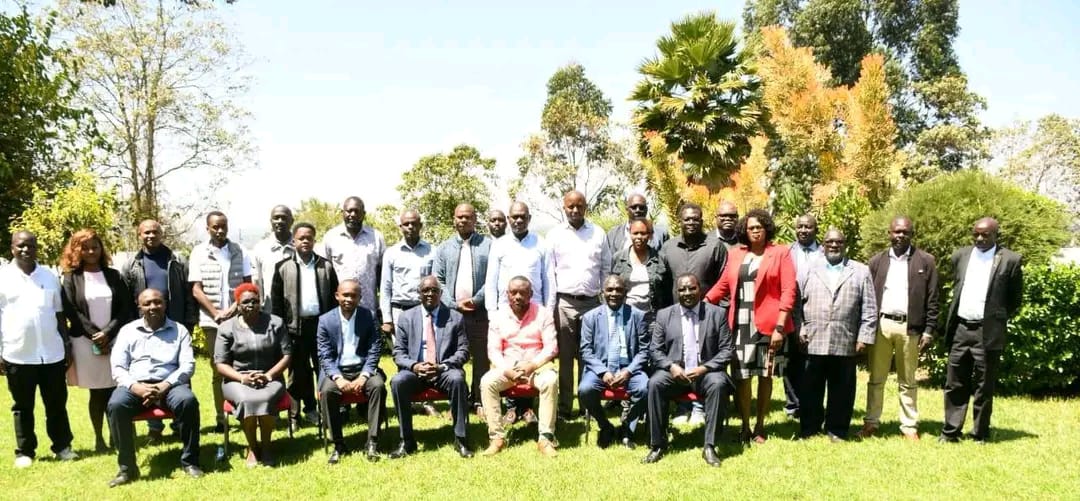
The team, which included representatives from the World Bank, Water Sector Trust Fund, the Ministry of Education, and the State Department for Water and Sanitation, came to assess progress and identify ways to accelerate access to clean water and improved sanitation.
The K-WASH programme, a US$458 million (approximately Ksh 60 billion) initiative under the Ministry of Water, Sanitation and Irrigation, targets 19 counties with a goal of expanding sustainable water supply and hygiene services. The World Bank is a major financier, contributing US$200 million through the International Development Association, alongside another US$50 million dedicated to refugee-hosting regions.
Speaking during the visit, K-WASH Deputy National Coordinator Benard Kirui said the county had shown promising results.
“We have observed significant progress. The outcomes are encouraging, and our priority now is to maintain a strong pipeline that delivers consistently on programme targets,” he said.
Governor Simon Kachapin welcomed the delegation, stressing the programme’s role in addressing historical gaps in the county’s infrastructure.
ALSO READ:
Anxiety and speculation mount as teachers await verdict on CPG scrapping
“West Pokot has lagged behind in development for many years. Today, we are investing deliberately in water and health, while ensuring the sustainability of these projects,” he said.
The county has set an ambitious goal of achieving Open Defecation Free (ODF) status in at least 30 villages through Community-Led Total Sanitation initiatives. This will be supported by strategic interventions and the allocation of resources to sustain gains in hygiene promotion.

Each participating county is also required to develop a County Water and Sanitation Strategy and Investment Plan (CWSS&IP) to guide infrastructure expansion and investment prioritization. By 2030, K-WASH aims to provide four million people with safe water, another four million with improved sanitation, and eliminate open defecation through community-led approaches.
The programme also strengthens Water Service Providers (WSPs) by improving operational efficiency, reducing water losses, and enhancing billing systems, ensuring sustainable service delivery.
A Game Changer for Schools
In learning institutions, the K-WASH programme will provide safe water, functional handwashing stations, and proper sanitation facilities that will enhance health and directly impact students’ attendance and learning outcomes.
Due to waterborne diseases like diarrhea, cholera, and typhoid often keep children away from school, but improved WASH facilities reduce these risks.
Additionally, the programme will establish separate toilets for boys and girls to encourage gender equality, reduce dropout rates among adolescent girls, and create safer, more welcoming environments for learning.
When schools integrate proper hygiene practices, students carry these habits home, amplifying the programme’s impact across entire communities.
With K-WASH support, West Pokot is turning the tide on decades of underdevelopment in water and sanitation. The mission is clear: healthier communities, better schools, and a foundation for sustainable growth.
By Hillary Muhalya
You can also follow our social media pages on Twitter: Education News KE and Facebook: Education News Newspaper for timely updates.
>>> Click here to stay up-to-date with trending regional stories
>>> Click here to read more informed opinions on the country’s education landscape