A comparison with Uganda and Tanzania shows why Kenya’s competency-based education, CBE offers the most holistic and future-ready learning model in the region.
Education is the foundation of national development, social transformation, and economic competitiveness. Across East Africa, Kenya, Uganda, and Tanzania have invested heavily in their education systems to equip learners with knowledge, skills, and competencies for the modern world. While all three countries share common goals of literacy, numeracy, and access, the structure, philosophy, and reforms in each country differ. Kenya’s Competency-Based Education (CBE) stands out as the most holistic, progressive, and future-oriented system in East Africa. By comparing Kenya’s system with Uganda’s 7–6–3 model and Tanzania’s 2-7-4-2/3 structure, we can understand why Kenya offers the best combination of academic rigour, practical skill development, and learner-centred approaches.
Historical Context of Education in East Africa
Uganda
Uganda’s education system has its roots in colonial structures introduced by British missionaries in the late 19th and early 20th centuries. The early system emphasised literacy, basic arithmetic, and religious instruction, with limited access for rural populations. After independence in 1962, Uganda sought to expand access through the Universal Primary Education (UPE) program, formally introduced in 1997, which aimed to remove financial barriers to primary schooling. The 7–6–3 system reflects this evolution: seven years of primary education, six years of secondary education, and three or more years of tertiary education.
Examinations such as the Primary Leaving Examination (PLE), Uganda Certificate of Education (UCE), and Uganda Advanced Certificate of Education (UACE) were established to standardise performance nationally. While this system has ensured structure and comparability, critics have noted its overreliance on high-stakes exams, which often emphasise rote memorisation over creativity or practical application of knowledge.
Kenya
Kenya’s education system has also evolved from colonial foundations. Under the 8–4–4 system introduced in 1985, learners underwent eight years of primary, four years of secondary, and four years of university education. The 8–4–4 system was heavily exam-focused, culminating in the Kenya Certificate of Primary Education (KCPE) and the Kenya Certificate of Secondary Education (KCSE). While 8–4–4 expanded access and produced academically competitive graduates, it was criticised for being rigid, stifling creativity, and failing to adequately prepare learners for practical and vocational skills.
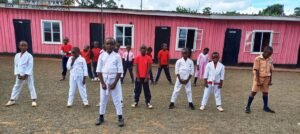
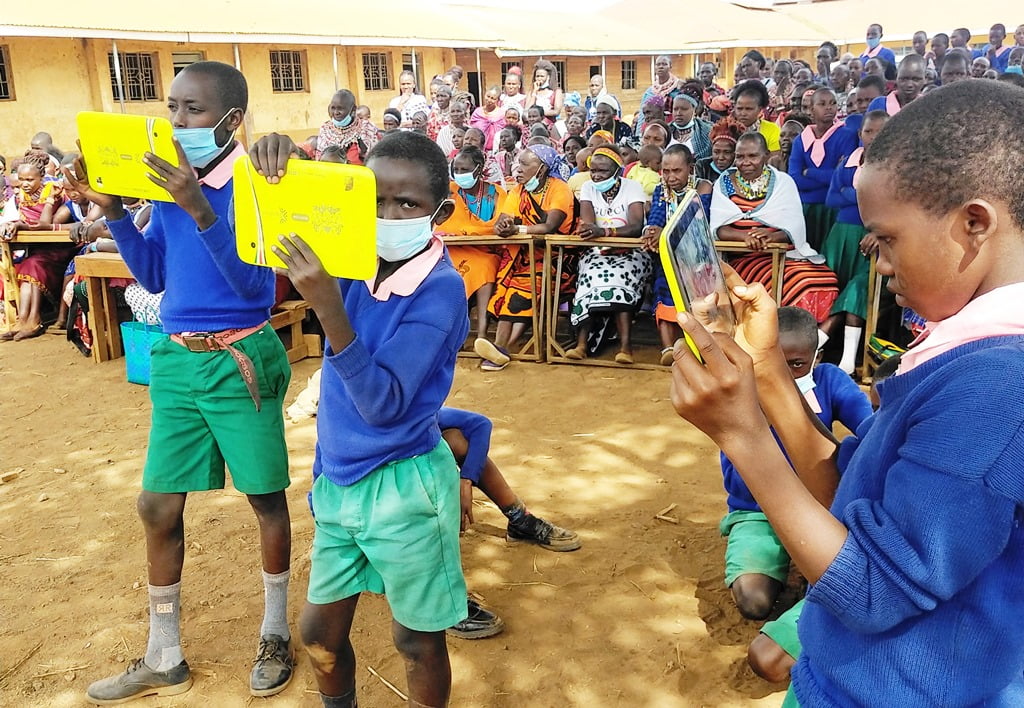
In 2017, the government introduced Competency-Based Education (CBE), aiming to create a holistic system that emphasises learner-centred approaches, practical skills, problem-solving, critical thinking, and entrepreneurship. CBE also integrates early childhood education formally, ensuring that learners acquire foundational literacy and numeracy skills while developing social and emotional competencies from the earliest grades. This reform represents a bold shift from purely academic instruction toward producing versatile, employable, and adaptable graduates.
Tanzania
Tanzania’s education system is organised under the 2-7-4-2/3 model: two optional years of pre-primary, seven years of primary, four years of lower secondary, and two to three years of upper secondary education before tertiary studies. Tanzania emphasises vocational and practical skills alongside academic learning, with Kiswahili used as the medium of instruction in primary education and English introduced in secondary school. This bilingual approach supports cultural identity while preparing learners for regional and global communication.
Tanzania’s system was influenced by socialist education policies in the 1960s and 1970s, emphasising inclusivity and practical skills development. While the focus on vocational training is a significant strength, the system faces challenges with resource disparities, particularly in rural areas, and difficulties in transitioning learners to English-dominant tertiary programs.
Structure and Curriculum Comparison
Primary Education
Uganda: Seven years of primary school (P1–P7). Curriculum emphasises literacy, numeracy, Science, Social Studies, Religious Education, and local languages. PLE exams determine progression to secondary school.
Kenya: Eight years of primary school (Grades 1–8). CBE integrates literacy, numeracy, creativity, life skills, and social-emotional development. Assessment is ongoing, reducing sole reliance on the KCPE.
Tanzania: Seven years of primary school (Standard 1–7). Emphasis on literacy, numeracy, Science, and social studies, with Kiswahili as the medium of instruction. Standard VII exam determines secondary placement.
Observation: Kenya’s CBE promotes holistic learning, integrating practical and social skills, whereas Uganda and Tanzania focus more on academic knowledge and exam preparation at this stage.
Secondary Education
Uganda: Six years are divided into O-Level (Senior 1–4) and A-Level (Senior 5–6). Students specialise in selected subjects at A-Level, culminating in the UACE exam.
Kenya: Eight years are divided into Junior Secondary (Grades 9–12) and Senior Secondary (Grades 13–16). Learners gradually specialise while continuing to develop competencies, entrepreneurship, and technical skills. Continuous assessment is combined with national exams.
Tanzania: Four years of lower secondary (Form 1–4) and two to three years of upper secondary (Form 5–6 or 7). Curriculum includes vocational skills alongside academic subjects, and Form IV exams guide progression.
Observation: Kenya’s CBE allows specialisation while nurturing skills and problem-solving throughout, unlike Uganda, which delays specialisation, or Tanzania, which heavily emphasises vocational skills over academic breadth.
Tertiary Education
Uganda: Universities, teacher colleges, and technical institutions are regulated by the National Council for Higher Education. Admission relies heavily on UACE scores.
Kenya: Universities, technical and vocational colleges are regulated by the Commission for University Education. Admission considers both exam results and competency-based achievements.
Tanzania: Universities and technical institutes are regulated nationally. The English transition in secondary school can challenge learners from Kiswahili-only backgrounds.
Observation: Kenya’s integration of competencies into secondary education allows learners to enter tertiary studies with both academic knowledge and practical skills, giving them a distinct advantage in employability and adaptability.
Strengths of Each System
Uganda
Structured Academic Progression: Clear stages make navigation predictable for students, parents, and educators.
Standardised Examinations: PLE, UCE, and UACE ensure uniform national benchmarks.
Specialisation at A-Level: Prepares learners for university or career paths.
Access Programs: UPE and USE significantly increase enrollment.
Diverse Tertiary Options: Universities, teacher training, and technical colleges provide multiple pathways.
Kenya (CBE)
Holistic Learning: Integrates academic, social, emotional, and practical competencies.
Learner-Centred: Focuses on creativity, problem-solving, critical thinking, and entrepreneurship.
Continuous Assessment: Reduces dependence on high-stakes exams, providing a more accurate picture of learner abilities.
Early Skills Development: Pre-primary education develops literacy, numeracy, and social-emotional skills.
Flexible Pathways: Allows gradual specialisation, supporting varied interests and career goals.
Tanzania
Vocational Focus: Strong practical skills development prepares learners for the workforce.
Cultural Relevance: Use of Kiswahili in early grades supports literacy and cultural identity.
Inclusivity: Curriculum ensures access across regions and socio-economic backgrounds.
Practical-Academic Balance: Blends academic and technical skills, preparing learners for multiple pathways.
Standardised Examinations: National exams maintain consistency and guide progression.
Weaknesses of Each System
Uganda
Heavy exam orientation encourages rote learning.
Limited early skills development in pre-primary and lower primary.
Resource disparities, particularly in rural schools.
Exam failure can block progression, reducing flexibility.
Slow integration of modern competencies limits employability skills.
Kenya (CBE)
Implementation challenges: teacher training and resource gaps.
Large class sizes hinder personalised learning.
Assessment variability may create inconsistencies.
Senior secondary exams still induce high-stakes pressure.
Resource-intensive: requires materials, technology, and teacher development.
Tanzania
Heavy vocational emphasis may reduce academic breadth.
English transition in secondary school can disadvantage learners.
Unequal resource distribution affects rural schools.
Curriculum rigidity limits learner-centred approaches.
Limited modern equipment in vocational programs can reduce practical effectiveness.
Statistical Comparisons
Recent UNESCO and World Bank data indicate the following:
Literacy Rates: Kenya 82 percent, Uganda percent, Tanzania 78 percent.
Primary Completion Rates: Kenya ~85 percent, Uganda ~78 percent, Tanzania ~80 percent.
Secondary Enrollment Rates: Kenya ~63 percent, Uganda ~55 percent, Tanzania ~58 percent.
Examination Pass Rates: KCSE (Kenya) averages 70 percent nationally; UACE (Uganda) ~65 percent; Form IV (Tanzania) ~60 percent.
These statistics reflect Kenya’s relative success in literacy, access, and secondary completion, further supporting the argument that its education system is currently the most effective in East Africa.
Comparative Analysis
Kenya’s CBE offers the most holistic and future-ready approach. While Uganda provides structure and standardised pathways and Tanzania emphasises vocational preparation, Kenya balances academic knowledge with life skills, creativity, and problem-solving from early childhood to tertiary levels. Kenya’s system addresses the modern needs of learners in a global economy, fostering adaptability, innovation, and entrepreneurship alongside traditional literacy and numeracy.
Key comparative insights:
Academic Breadth vs. Competency Development: Uganda focuses on academic content, Tanzania on practical skills, and Kenya combines both with learner-centred competencies.
Early Childhood Integration: Kenya leads in integrating pre-primary education formally, ensuring foundational skills.
Assessment: Continuous assessment in Kenya provides a more complete understanding of learner abilities than Uganda or Tanzania’s exam-focused systems.
Flexibility: CBE allows gradual specialisation and personalised learning pathways, unlike Uganda’s rigid A-Level transition or Tanzania’s structured vocational tracks.
Policy Recommendations
For Uganda: Integrate competency-based approaches into primary and secondary education to enhance practical skills and creativity.
For Tanzania: Adopt learner-centred, competency-focused strategies to complement vocational emphasis.
For Kenya: Continue investing in teacher training, learning resources, and technology to overcome implementation challenges and ensure equitable access nationwide.
Regional Collaboration: East African countries could harmonise curricula to facilitate student mobility and regional workforce readiness.
Conclusion
Kenya’s Competency-Based Education stands out as the best education system in East Africa because it successfully integrates academic excellence with life skills, creativity, and practical competence. Unlike Uganda, which remains heavily exam-focused, or Tanzania, which emphasises vocational training without fully adopting learner-centred pedagogy, Kenya’s CBE ensures that learners are well-prepared for higher education, employment, and societal participation in a globalised world. While there is room for improvement, particularly in resources and teacher training, Kenya’s system represents the most holistic, future-ready model in the region.
READ ALSO: Pioneering CBE era: How St. Peter’s Mumias is setting standard for Senior School
By combining the structure of Uganda, the vocational strengths of Tanzania, and Kenya’s learner-centered competency approach, East Africa can move toward a unified vision of quality education that equips all learners with the knowledge, skills, and abilities to thrive in the 21st century.
By Hillary Muhalya
You can also follow our social media pages on Twitter: Education News KE and Facebook: Education News Newspaper for timely updates.
>>> Click here to stay up-to-date with trending regional stories
>>> Click here to read more informed opinions on the country’s education landscape