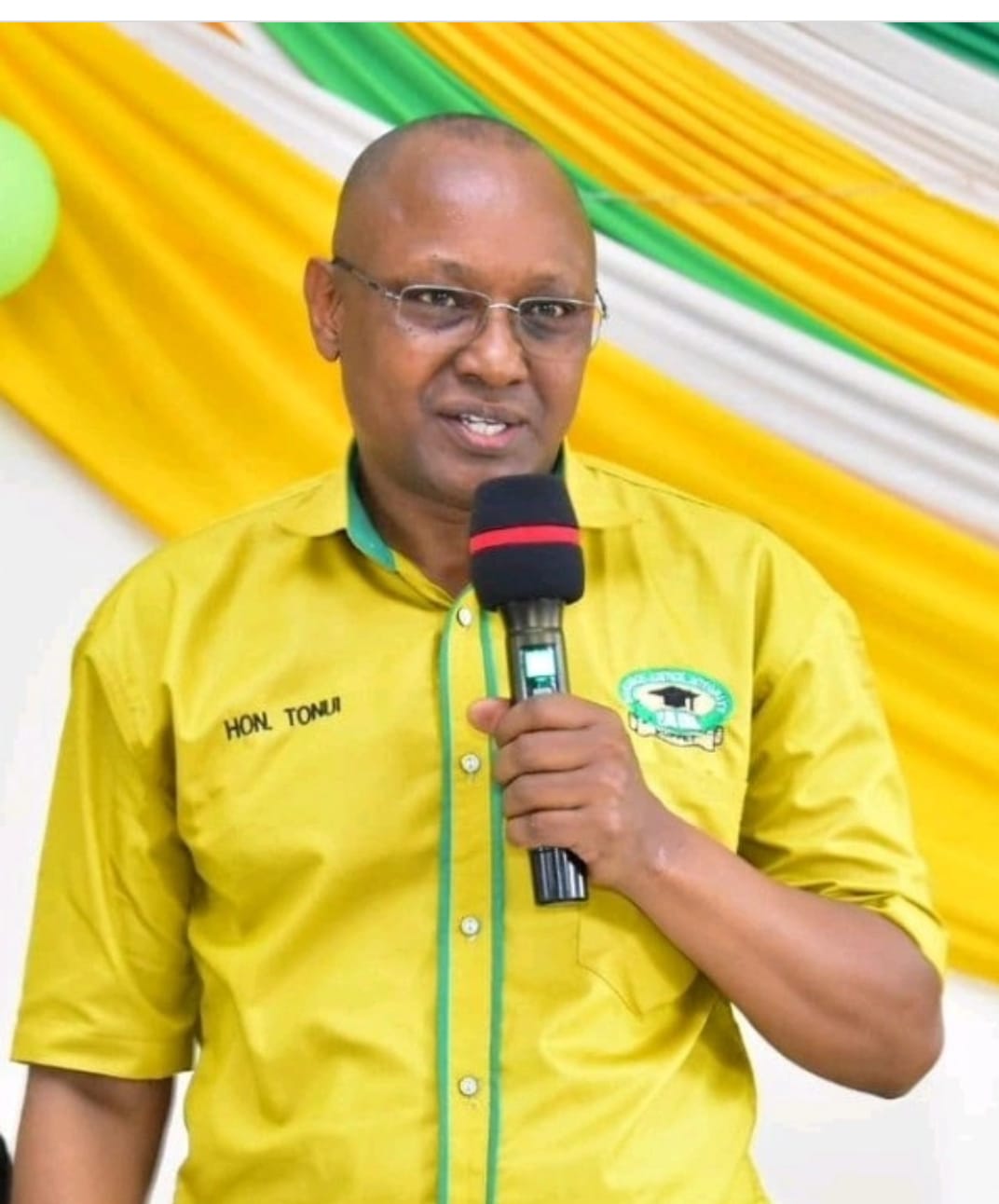
Former Bomet Central Member of Parliament MP Ronald Tonui has called for a comprehensive review of the Junior Secondary School (JSS) framework, insisting that the institutions must operate independently to safeguard the integrity of the Competency-Based Education (CBE) system.
Tonui said the rollout of CBE was preceded by extensive benchmarking in developed nations, including Japan, where education reforms have successfully transformed economies.
According to him, those studies clearly established that basic education should be structured into three distinct and autonomous levels: primary, junior secondary and senior secondary schools.
He criticized the decision to domicile JSS within primary schools, terming it a major policy miscalculation that ignored both research findings and professional input from stakeholders.
YOUTUBE VIDEO:
“There was thorough benchmarking before implementation. What came out clearly is that each level of learning must be autonomous,” Tonui stated.
The former MP argued that mixing younger primary school pupils with adolescents in junior secondary has created administrative confusion and failed to address the psychological and developmental differences between the two age groups.
ALSO READ:
President Ruto pledges Ksh550Million for Alliance High School infrastructure boost
He maintained that adolescents require a different management structure, mentorship approach and learning environment.
Tonui further noted that granting JSS its own administrative structure — complete with principals, deputy principals, and senior teachers — would help resolve teacher job stagnation.
He observed that many qualified teachers remain stuck in the system due to limited promotional opportunities in senior secondary schools.
Creating independent JSS institutions, he said, would open up leadership positions and enhance career progression.
Additionally, the former legislator emphasized that teachers handling junior and senior secondary learners possess similar qualifications and should be allowed to transfer between the two levels to broaden their experience and improve service delivery.
Citing constitutional provisions, he argued that Kenya recognizes only primary and secondary education, warning that attempts to create comprehensive schools could face legal challenges.
He urged the government to revisit the original research, correct policy missteps, and implement a well-planned, independent structure for each category of learning to ensure the long-term success of CBE.
By Philip Koech
You can also follow our social media pages on Twitter: Education News KE and Facebook: Education News Newspaper for timely updates.
>>> Click here to stay up-to-date with trending regional stories
>>> Click here to read more informed opinions on the country’s education landscape