- Students in Bomet have been waking up as early as 4 a.m. to fetch water from rivers amid a month-long dry-tap crisis linked to BOMWASCO’s Sh25 million electricity arrears.
- Residents and businesses have reported rising water prices and disrupted operations, while boda boda operators have shifted to transporting water for extra income.
- Residents have warned of a potential disease outbreak from untreated river water and have threatened street protests next week unless authorities intervene.
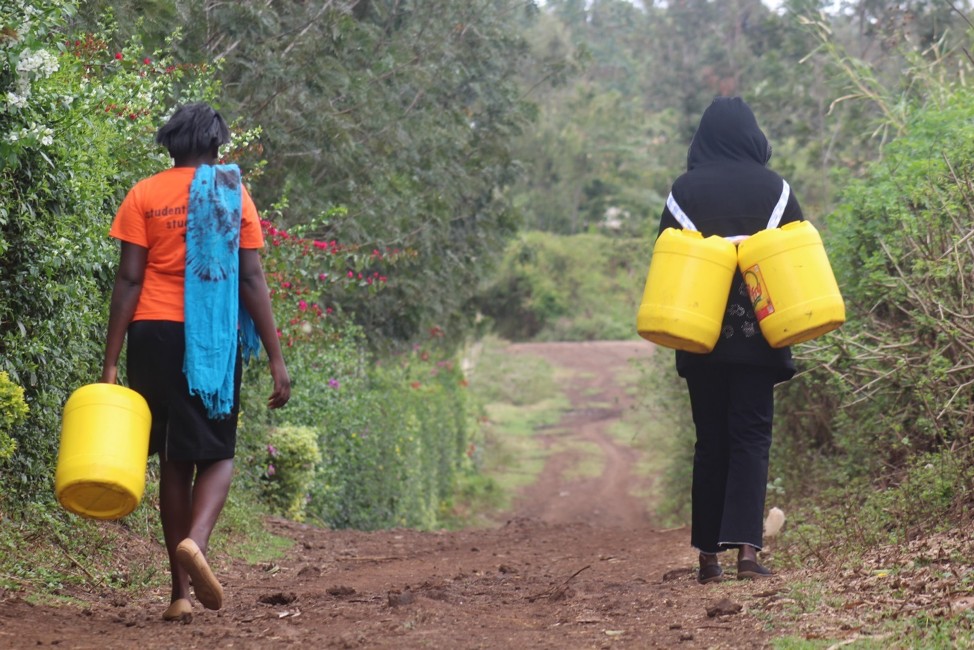
At 4:37 a.m., when most students would ordinarily be asleep, a student from Bomet University was already out fetching water. The early-morning photograph has become a stark illustration of the water crisis gripping Bomet town and surrounding areas.
Students are waking up as early as 4 a.m. to search for clean water before the limited supply is exhausted by the growing number of people scrambling to collect it. The situation has disrupted learning in institutions around Bomet town, with students forced to trek long distances to rivers and other water sources. “We wake up at around 4 a.m. because if you wait until later, you will find that the clean water is already finished,” a student said.
The shortage, which has lasted for more than a month, has been linked to a combination of water infrastructure challenges and unpaid electricity arrears reportedly standing at approximately Sh25 million owed by the Bomet Water and Sanitation Company (BOMWASCO). As taps remain dry, students and residents have increasingly turned to rivers, including Chepteny Beek and Chapulo, to obtain untreated water. “It is risky, especially at this time of the morning. It is dark and very cold, but we have to do it because we need water,” another student said.
ALSO READ:
Kisii: Form Four student at Riokindo Boys feared dead after drowning in River Nyakwana
The crisis is also hitting businesses hard. Melody Chepkemoi, a hotel operator in Bomet’s Central Business District, said finding water had become part of the daily struggle. “We sometimes open late because we spend a lot of time looking for water,” Chepkemoi said.
Water vendors have seized the opportunity created by the shortage, with residents reporting that they are paying up to Sh30 for a 20-litre container. Boda boda operators have also shifted from carrying passengers to transporting water to hotels, schools, homes and university hostels, earning money from the high demand. At Chepteny Beek River, competition for the scarce commodity has reportedly resulted in chaotic scenes involving boda boda riders and water bowsers.
Beyond the inconvenience and rising costs, residents fear the crisis could become a public health emergency. Joyce Langat warned that the use of untreated river water could expose residents to waterborne diseases, including cholera. “We are afraid that if this continues, we may have an outbreak of diseases. The authorities need to act before it is too late,” Langat said.
Mary Cheruiyot criticised BOMWASCO and county leaders for what she described as negligence and inadequate oversight. “How can people in a town be forced to wake up at 4 a.m. and walk to rivers to look for water? Someone must take responsibility,” she said. Frustrated residents are threatening street protests next week unless county authorities intervene.
ALSO READ: Machakos County budget stalemate paralyses bursary and youth empowerment funding
Students from the Kenya Medical Training Institute in Longisa have not been spared either, having been forced to fetch water from a river some distance from the institution. Students and residents are now appealing to the Bomet County Ministry of Water and BOMWASCO to restore water services urgently, saying the crisis is not only disrupting learning but also threatening livelihoods and public health.
By Kimutai Langat
Get more stories from our website: Education News
To write to us or offer feedback, you can reach us at: editor@educationnews.co.ke
You can also follow our social media pages on Twitter: Education News KE and Facebook: Education News Newspaper for timely updates.
>>> Click here to stay up-to-date with trending regional stories