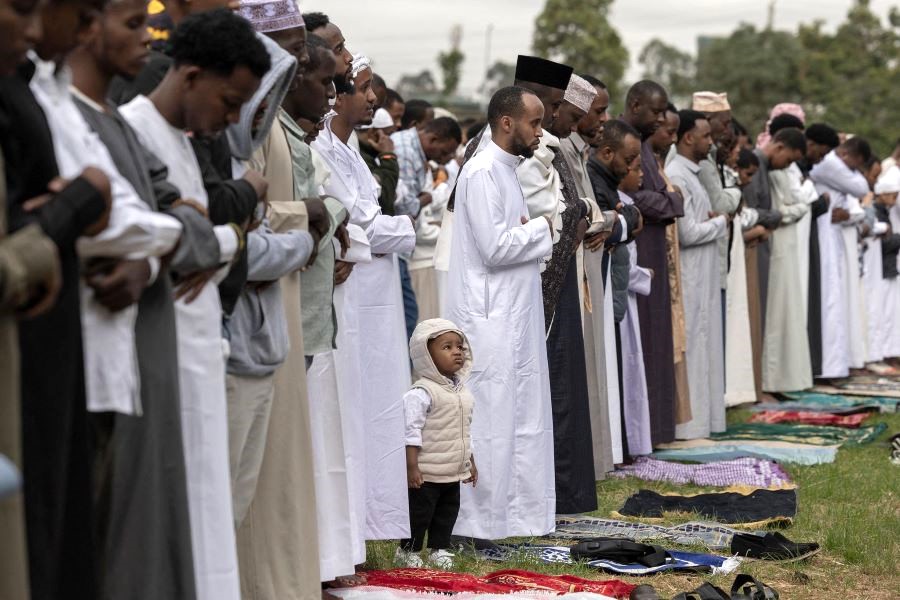
Eid al-Adha remains one of the most powerful and respected religious celebrations across the globe. Commonly known as the Festival of Sacrifice, the occasion holds enormous spiritual, social, economic, and humanitarian significance to millions of Muslims worldwide.
The celebration is deeply rooted in the story of Prophet Ibrahim, who demonstrated complete obedience and faith in God by showing willingness to sacrifice his son before God provided an alternative sacrifice. This act of faith became a timeless symbol of devotion, humility, sacrifice, and trust in God.
For Muslims, Eid al-Adha is far more than a festive occasion marked by food, new clothes, and family gatherings. It is a sacred reminder that genuine faith requires commitment, patience, sacrifice, and moral discipline. The celebration encourages believers to reflect on their relationship with God and renew their dedication to righteous living. Muslims are reminded that life is not only about material possessions or personal comfort, but also about serving humanity, helping the needy, and living according to divine principles.
Eid al-Adha and Hajj
The day also carries enormous significance because it coincides with Hajj, one of the Five Pillars of Islam. During this period, millions of Muslims from nearly every country travel to Mecca for pilgrimage, creating one of the largest religious gatherings in human history. The pilgrimage symbolizes equality and unity because people from different races, social classes, nationalities, and languages gather together in worship without discrimination. Rich and poor stand side by side before God, emphasizing the Islamic teaching that humanity is equal regardless of status or background.
Humanitarian Impact
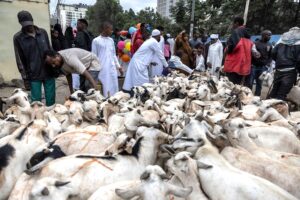
One of the central practices during Eid al-Adha is the sacrifice of animals such as goats, sheep, cows, or camels by Muslims who are financially able. However, the act is not merely about slaughtering animals. The deeper message lies in sacrifice, generosity, and compassion. The meat is shared among family members, neighbors, friends, and especially the poor and vulnerable in society. In many communities around the world, struggling families receive food and meat mainly during this period, making Eid al-Adha not only a religious event but also a major humanitarian occasion.
The spirit of charity during Eid al-Adha strengthens communities and reminds people about the importance of caring for others. The celebration teaches Muslims that true worship should go hand in hand with kindness, generosity, and social responsibility. In a world where poverty, inequality, hunger, and suffering continue to affect millions, the values promoted during Eid remain increasingly important.
Eid al-Adha in Kenya
In Kenya, Eid al-Adha plays a major role in strengthening national unity, religious tolerance, and peaceful coexistence. Kenya is a multicultural and multi-religious society made up of different ethnic and religious communities. The celebration demonstrates how people of different beliefs can coexist harmoniously while respecting one another’s traditions and values. During the festivities, Muslim families often share meals, gifts, and goodwill with neighbors and friends from different faiths, strengthening social cohesion and promoting unity within communities.
Importance of the Celebration
The celebration also has a significant economic impact in Kenya. Livestock farmers, traders, transport operators, food vendors, clothing businesses, and hospitality industries benefit greatly from increased activity during the Eid season. Demand for goats, sheep, cows, food products, and clothing rises sharply, creating economic opportunities for many households and businesses. In pastoral regions especially, livestock markets become vibrant centers of trade and income generation during this period.
Globally, Eid al-Adha influences economies in many ways. The holiday stimulates trade, tourism, transportation, hospitality, and retail sectors across several countries. Airlines experience increased bookings as families travel long distances to celebrate together. Hotels, restaurants, and markets record higher activity as millions purchase gifts, food, livestock, and festive items. In many countries, the economic activity surrounding Eid contributes significantly to local and national economies.
Universal Moral Lessons
Beyond economics, the celebration carries a universal moral message that resonates with humanity. The world today continues to struggle with conflict, violence, hatred, inequality, greed, and division. Eid al-Adha reminds people about the importance of peace, forgiveness, sacrifice, compassion, and concern for others. The celebration teaches that true faith should inspire humanity to become more caring, responsible, and united.
Importantly, Eid al-Adha also teaches sacrifice beyond material things. It reminds humanity to sacrifice selfishness, hatred, corruption, greed, and injustice in order to create better societies. The celebration encourages people to prioritize honesty, integrity, humility, and service to humanity. These lessons remain highly relevant in modern society where moral challenges continue to affect families, institutions, and nations.
Socially, Eid al-Adha strengthens family relationships and community bonds. Families gather together, visit relatives, reconcile differences, and celebrate collectively. Communities organize prayers, charitable activities, and social events that bring people closer together. Children also learn important moral values such as gratitude, respect, sharing, and kindness from an early age through observing the practices associated with the celebration.
The holiday additionally promotes cultural understanding across the world. Through Eid celebrations, people from different backgrounds gain exposure to Islamic traditions, cuisine, dress, values, and religious practices. This cultural interaction helps reduce stereotypes and misunderstandings while encouraging dialogue and peaceful coexistence among different societies and religions.
Spiritual Renewal and Global Unity
For many Muslims, the celebration is also a time of spiritual renewal. It allows believers to pause from the pressures of daily life and focus on prayer, reflection, gratitude, and appreciation for God’s blessings. The atmosphere of worship and togetherness during Eid often strengthens faith and restores hope among individuals and communities.
Ultimately, Eid al-Adha continues to shape the world because its message extends beyond religion. Its teachings about sacrifice, compassion, obedience, generosity, equality, and unity carry universal importance for all humanity. The celebration strengthens communities, promotes charity, and encourages peaceful coexistence among people of different cultures and beliefs.
READ ALSO: PSC: Abuse and harassment of interns in public service is a criminal offence
As millions gather to celebrate across different continents, Eid al-Adha remains a powerful reminder that humanity is strongest when guided by faith, kindness, sacrifice, and concern for one another. In an increasingly divided world, the values symbolized by the festival continue to inspire hope, unity, and shared humanity.
By Hillary Muhalya
You can also follow our social media pages on Twitter: Education News KE and Facebook: Education News Newspaper for timely updates.
>>> Click here to stay up-to-date with trending regional stories
>>> Click here to read more informed opinions on the country’s education landscape