Who is paying the bill? Auditor-General puts KESSHA payments by public schools under scrutiny

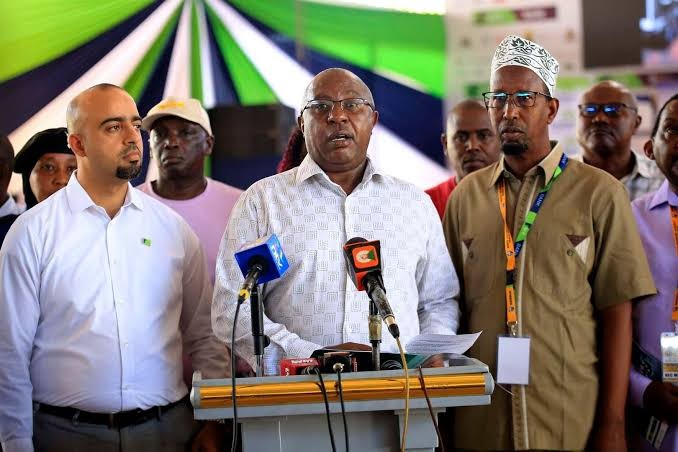
KESSHA National Chairperson Willie Kuria (centre) briefs the media during the 49th KESSHA Annual Conference, an audit has shown male teachers continue to dominate leadership positions in public schools despite women forming the majority of TSC staff-Photo|File
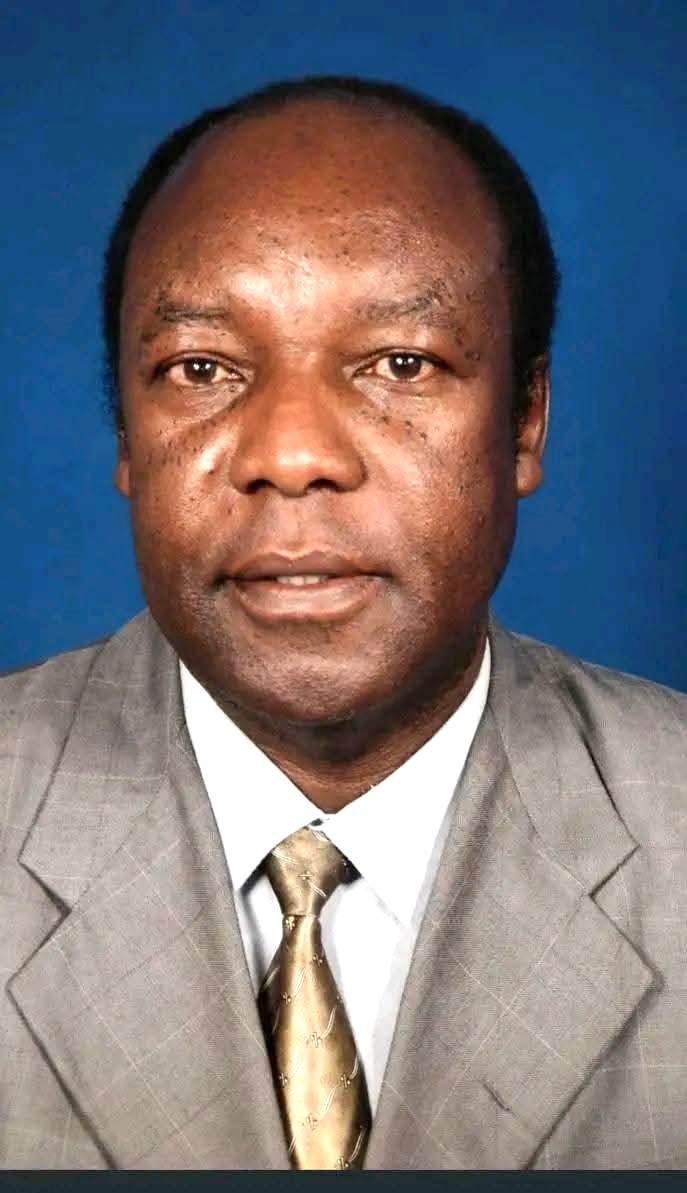
KESSHA chairman Willie Kuria during a past engagement. Questions over millions of shillings reportedly paid by public secondary schools to the association have put the management of school funds under scrutiny.
  • Auditor-General Nancy Gathungu has raised questions over payments made by public secondary schools to KESSHA.
  • Hillary Muhalya examines why some schools reportedly paid millions of shillings to the principals’ association.
  • The findings raise broader questions about accountability, transparency and the management of public education funds.

Kenya’s public schools are facing a serious accountability question after the Auditor-General raised concerns about money being paid by schools to the Kenya Secondary School Heads Association (KESSHA).

The issue is simple but important: Should public school money be used to pay membership fees or other charges for an association whose members are individual school principals?

This is not just a KESSHA issue. It is a question about how public money is managed in Kenya’s education system.

According to a Business Daily report, Auditor-General Nancy Gathungu questioned payments made by public secondary schools to KESSHA. The payments appeared in the financial records of many of the schools that were audited.

The concern is not that KESSHA exists. Professional associations are important. School principals need a body that can represent their interests, support their professional development and give them a common voice.

The concern is who should pay for that association.

KESSHA is made up mainly of secondary school heads. If membership is a personal or professional benefit for individual principals, then there is a strong argument that the cost should be met by the members themselves unless there is a clear legal basis for schools to pay.

That is where the Auditor-General’s questions become important.

The audit findings cited payments from individual schools that were surprisingly high.

Mang’u High School, for example, was reported to have paid about Sh2.77 million to KESSHA. Alliance High School recorded about Sh2.125 million, while Moi Forces Academy recorded about Sh2.053 million.

Moi Girls Secondary School Kamanungu recorded approximately Sh1.82 million, St Mary’s School Yala about Sh1.524 million, and Alliance Girls High School about Sh1.42 million.

Other schools mentioned included Chania High School, Utumishi Academy, Nairobi School and Starehe Boys Centre and School.

These figures naturally raise questions.

If a school is spending millions of shillings on an association, there should be clear records showing why the money was paid, who approved it, what service was received and under which law or government rule the expenditure was made.

Public institutions cannot simply move money because a payment has become a common practice.

A practice can be common and still require proper legal and financial justification.

The Sh6,000 question

The issue becomes even more interesting because KESSHA chairman Willie Kuria has previously been quoted as saying members contribute Sh500 every month, or Sh6,000 a year.

That raises an obvious question.

If the annual membership contribution is Sh6,000, why are some individual schools recording payments of more than Sh1 million and, in some cases, more than Sh2 million?

There may be explanations for the difference. The payments could cover accumulated subscriptions, conferences, activities or other approved services.

But those explanations need to be clearly documented.

That is precisely why an audit is important.

An audit does not automatically mean that someone has stolen money. It means that questions have been raised about how money was received, spent, transferred or accounted for.

Those questions must be answered with documents and facts.

The KESSHA controversy should not be reduced to a fight between the Auditor-General and school principals.

It touches on a much bigger problem: how Kenya manages money in public schools.

Public schools receive government funding intended to support education. They also manage other approved school revenues. That makes school accounts important public-finance institutions.

Every shilling matters.

A million shillings spent without proper justification is not just a number in an audit report. It could represent classrooms that were not repaired, laboratory equipment that was not purchased, textbooks that were delayed, sanitation facilities that were not improved or other needs that remained unmet.

This is why financial discipline in schools is not a minor administrative matter.

It directly affects learners.

The principal’s role

School principals carry enormous responsibility.

They are expected to lead teachers, manage learners, work with parents, implement government policies and manage school resources.

But that responsibility also comes with accountability.

A principal cannot treat public school money as personal or association money.

Where a payment is made from a school account, there must be a clear reason why the school—not an individual—should carry that cost.

If a professional association benefits the individual member, the normal question should be whether the member should pay personally.

If, however, the payment is for a genuine school service or an activity officially authorised by government, then the school should be able to demonstrate that clearly.

The answer cannot simply be: “We have always done it this way.”

While the Auditor-General’s concerns must be taken seriously, KESSHA should also be given an opportunity to explain its side.

The association should publicly clarify its membership structure, annual fees, other charges collected from schools, services provided to schools and the legal basis for receiving money through school accounts.

This would help separate legitimate payments from questionable ones.

It would also protect principals and schools from being blamed for transactions that may have been properly authorised.

Transparency is therefore in everyone’s interest.

KESSHA needs it.

School principals need it.

The Ministry of Education needs it.

And most importantly, taxpayers need it.

The Ministry of Education must speak clearly

The Ministry of Education should also provide clear national guidance.

If public schools are allowed to make certain payments to professional associations, the rules should be written clearly.

If they are not allowed, that should also be made clear.

There should be no grey area where different schools make different decisions and later defend them as normal practice.

Public finance works best when rules are simple, clear and consistently enforced.

School boards of management should also understand their responsibility. Approving school expenditure is not a formality. Board members are trustees of public resources and must ask difficult questions before approving payments.

The wider audit problem

The KESSHA issue comes at a time when public schools are already facing other financial-management concerns.

Audit reports have raised questions about unsupported expenditure, procurement practices, school fees, asset management, financial records and compliance with public-finance and procurement rules.

These problems point to a bigger weakness.

Kenya has spent years discussing how to increase education funding, but raising more money is only half the solution.

The other half is making sure that the money already available reaches the learner and is used properly.

A school with inadequate classrooms does not benefit from money that disappears into poorly explained transactions.

A learner without books does not care how impressive a financial statement looks.

A school struggling with sanitation cannot afford to lose resources through weak financial controls.

Time for a clean-up

The KESSHA controversy should therefore become an opportunity for a broader review of financial practices in public schools.

The government should establish clear rules on payments to professional associations.

Schools should maintain complete records of all such transactions.

Boards of management should scrutinise expenditure more carefully.

KESSHA should publish clear information about its membership fees and finances.

And where an audit identifies unexplained payments, the institutions involved should provide proper evidence and explanations.

Where money was used lawfully, the matter should be settled with documentation.

Where procedures were ignored, corrective action should follow.

Where public money was misused, those responsible should be held accountable.

The real issue is trust

At the end of the day, this debate is not really about KESSHA.

It is about trust.

Parents trust schools with their children.

Teachers trust school leadership to provide the resources they need.

The government trusts school managers with public money.

And taxpayers expect every shilling allocated to education to be used responsibly.

That trust cannot survive if public money moves between institutions without clear explanations.

KESSHA has an important role to play in Kenya’s education sector. School principals also deserve professional representation and support.

But professional representation must not create confusion over public funds.

The question now before the education sector is therefore straightforward:

If KESSHA membership is a professional benefit for individual school heads, who should pay for it? And if public schools are paying, what is the legal and financial basis for those payments?

Those questions deserve clear answers—not arguments, silence or political blame.

The Auditor-General has opened the door to that conversation.

Now the Ministry of Education, KESSHA, school boards and principals must walk through it and provide Kenyans with the facts.

READ ALSO: ESAK formally endorses Sossion, Lentoijoni for TSC commissioner positions

Public money is not free money. It belongs to the people. And every shilling meant for education must ultimately answer to the child sitting in the classroom.

By Hillary Muhalya

You can also follow our social media pages on Twitter: Education News KE  and Facebook: Education News Newspaper for timely updates.

>>> Click here to stay up-to-date with trending regional stories

 >>> Click here to read more informed opinions on the country’s education landscape
>> Click here to stay ahead with the latest national news.

Sharing is Caring!

Leave a Reply

Don`t copy text!
Verified by MonsterInsights