- Bhutan is addressing teacher shortages through needs-based deployment, strategic redistribution and differentiated professional roles.
- Education Minister Yeezang De Thapa is leading reforms that prioritise equitable access to quality education across the country.
- Education experts say the Bhutan model offers valuable lessons for countries such as Kenya facing similar staffing challenges.
Bhutan, the small Himalayan kingdom in South Asia, is attracting international attention for its innovative education reforms aimed at addressing teacher shortages and improving learning outcomes.
At the centre of the reforms is Education and Skills Development Minister Yeezang De Thapa, whose ministry has adopted a more flexible, equitable and strategic approach to teacher deployment.
The reforms come as Bhutan seeks to address persistent disparities in teacher distribution, with urban schools generally enjoying adequate staffing while rural and remote schools continue to face shortages.
One of the most significant reforms has been the deployment of Bachelor of Education and Postgraduate Diploma in Education (PGDE) graduates according to national staffing needs rather than individual preferences.
Under the policy, newly qualified teachers are posted directly to schools experiencing the greatest shortages, particularly those in rural and hard-to-reach communities.
Education officials say the approach ensures that learners receive equitable access to qualified teachers regardless of geographical location.
Strategic use of highly qualified educators
Bhutan has also adopted an innovative approach by integrating PhD-qualified educators into the broader education system.
Rather than assigning them exclusively to universities, the country increasingly utilises them in curriculum development, teacher mentorship, instructional leadership, education research and policy implementation.
Within Early Childhood Development Education (ECDE) and primary education, their role focuses on strengthening teaching quality by supporting classroom teachers, improving curriculum delivery and enhancing foundational learning.
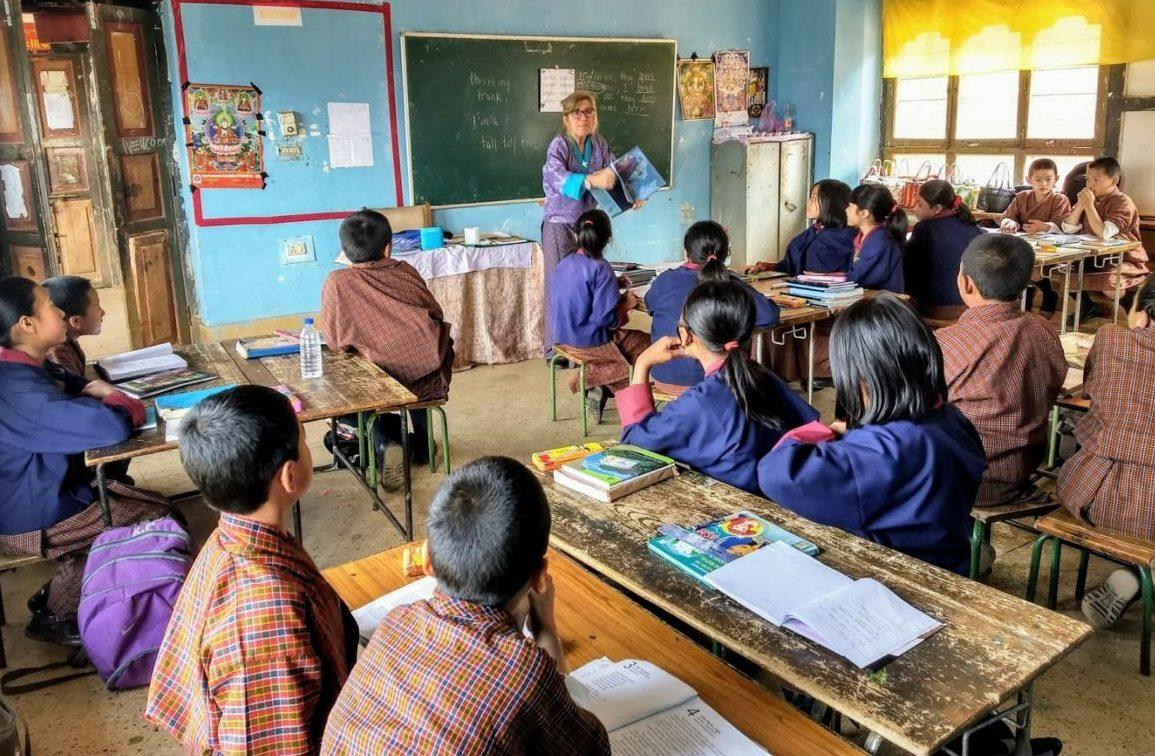
At the classroom level, degree and PGDE teachers continue to form the backbone of ECDE and primary education.
Their academic preparation enables them to deliver literacy, numeracy and science instruction while adapting learning to meet the developmental needs of young learners.
Education specialists emphasise that strong foundations in early childhood education remain critical to long-term learner success.
A layered education workforce
Bhutan’s reforms recognise that different qualification levels perform complementary roles within the education system.
ECDE-trained teachers focus on early childhood development and play-based learning.
Degree and PGDE teachers deliver classroom instruction at primary and junior levels.
PhD holders provide curriculum leadership, mentorship, research and instructional support.
Education experts say this layered approach strengthens education quality from classroom practice to national policy development.
Beyond deploying newly trained teachers, Bhutan has also introduced a structured teacher redistribution system.
Teachers are transferred from overstaffed schools to institutions experiencing shortages, helping ensure a more equitable allocation of human resources across the country.
The teacher deployment strategy forms part of broader reforms championed by Minister Yeezang De Thapa.
These include strengthening teacher training institutions, modernising curriculum delivery, expanding digital learning, improving rural school infrastructure and developing a structured national teaching service.
Collectively, the reforms seek to build a resilient education system capable of responding to demographic and regional disparities.
Lessons for Kenya
Education experts believe Bhutan’s experience offers valuable lessons for Kenya, where teacher shortages and uneven staffing continue to affect many rural and marginalised schools.
Among the lessons identified are strengthening needs-based deployment of graduate teachers, adopting structured teacher redistribution mechanisms and making greater strategic use of highly qualified educators in curriculum development, mentorship and instructional leadership.
Experts argue that deploying teachers according to national priorities rather than individual preference can significantly improve equitable access to quality education.
READ ALSO: Kitondo School reaches national music finals just one year after debut, patron hails consistency and teamwork
Ultimately, Bhutan’s reforms demonstrate that addressing teacher shortages requires more than increasing recruitment.
Success depends on deploying teachers strategically, utilising different qualification levels effectively and ensuring that every learner, regardless of location, has access to quality education supported by competent professionals.
By Hillary Muhulya
You can also follow our social media pages on Twitter: Education News KE and Facebook: Education News Newspaper for timely updates.
>>> Click here to stay up-to-date with trending regional stories
>>> Click here to read more informed opinions on the country’s education landscape