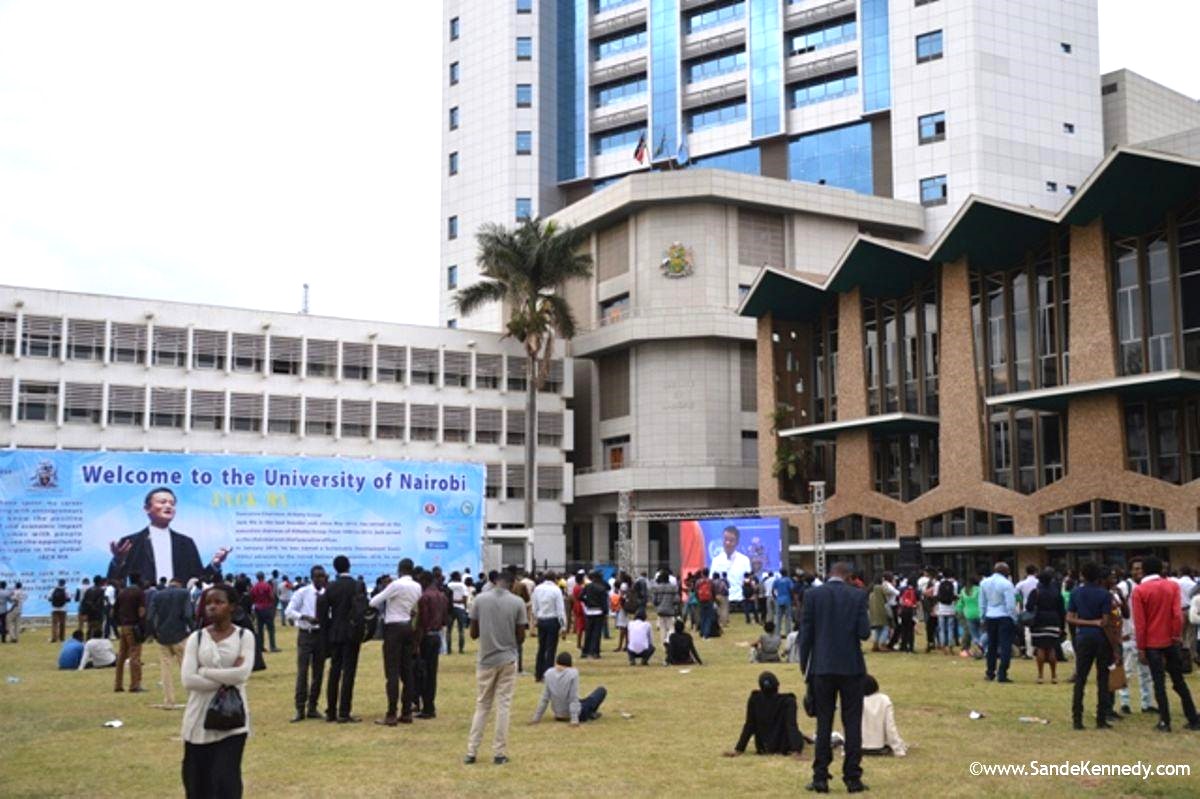
- Education stakeholders have raised concerns over lax fee payment policies, warning that financial indiscipline has threatened the quality and sustainability of universities.
- Experts have highlighted that institutions with weak fee collection systems have struggled to pay lecturers, maintain infrastructure, and release examination results on time.
- Universities that have enforced structured fee policies while supporting needy students have safeguarded cash flow and academic quality under Kenya’s new funding model.
Education stakeholders have sounded the alarm over lax fee payment policies in universities, warning that financial indiscipline could erode the quality of higher education and compromise institutional sustainability.
The debate comes at a time when public universities are grappling with financial strain under Kenya’s new higher education funding model, which emphasises accountability and sustainable financing. Experts say one of the clearest indicators of distress is when institutions allow students to sit examinations without registering for academic units or issue exam cards regardless of outstanding balances.
While such measures may appear student-friendly, stakeholders argue they expose deeper financial challenges. Universities with weak fee collection systems often struggle to pay part-time lecturers, maintain reliable digital learning platforms, release examination results on time, or sustain infrastructure due to inadequate maintenance.
Although no specific institutions have been named, observers note the trend is increasingly visible across several universities facing financial constraints. They maintain that institutions making consistent progress are those that enforce structured fee payment policies while still supporting students with genuine financial hardship.
Instead of blanket waivers, these universities require affected students to apply through the Dean of Students’ office, where financial circumstances are assessed before special consideration is granted. Eligible learners may receive temporary examination clearance while also being considered for scholarships, bursaries, work-study programmes, or other assistance mechanisms.
ALSO READ:
Engineering courses face declining demand as TUK reports 473 vacant degree slots
Experts say this balanced approach protects both students and institutions by ensuring deserving learners are not locked out of examinations while safeguarding the cash flow needed to run academic programmes effectively.
With the new funding model in place, stakeholders believe the future of universities will hinge on two critical factors: maintaining stable cash flow and attracting adequate student enrolment. Institutions unable to enforce financial discipline while remaining attractive to prospective students risk declining service delivery, reduced competitiveness, and mounting operational challenges.
As universities adapt to the changing landscape, education experts insist prudent financial management will be essential to safeguarding academic quality and ensuring the long-term sustainability of Kenya’s higher education sector.
By Mosoti Mogambi
>>> Click here to stay up-to-date with trending regional stories
>>> Click here to read more informed opinions on the country’s education landscape
>>> Click here to stay ahead with the latest national news.