- Kenyan universities must strengthen safeguards for first-year students adjusting to unfamiliar campus environments.
- Meshack Cheres argues that financial hardship and unequal power relationships can expose students to exploitation.
- He calls for confidential reporting systems, stronger welfare support, digital safety education and institutional accountability.
For many Kenyan families, sending a son or daughter to university is a moment of immense pride. Years of sacrifice, school fees and encouragement have finally paid off. A young person leaves home carrying not only a suitcase, but also the hopes and dreams of an entire family.
But there is a difficult question we must ask: Are our universities doing enough to protect these young people once they arrive on campus?
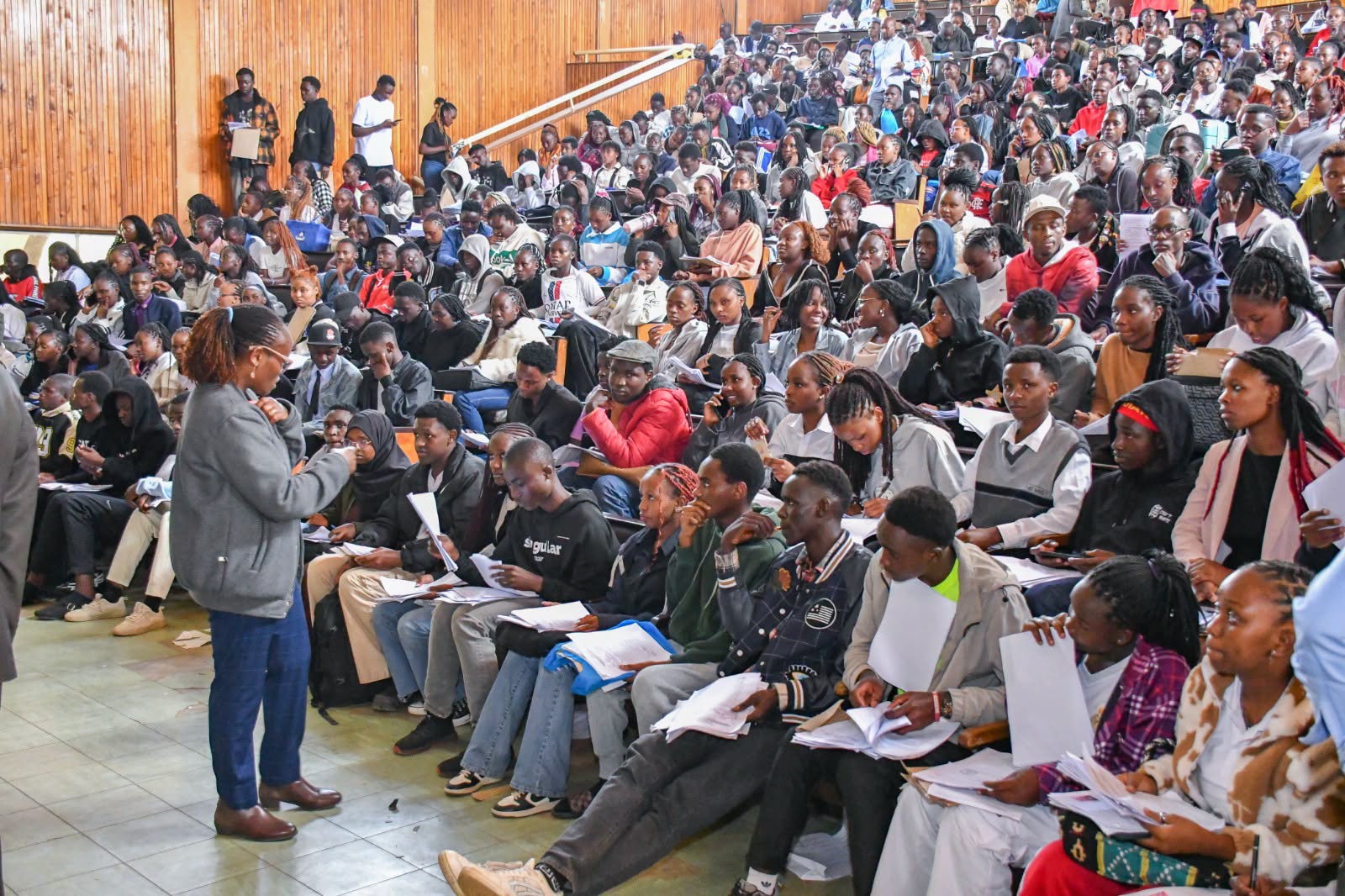
The first year of university is often the most challenging. Students are entering an unfamiliar environment, many for the first time living away from their parents. They are expected to make independent decisions, manage limited finances, build new friendships and cope with the demands of higher education.
This period of adjustment can create vulnerability—and where vulnerability exists, exploitation can follow.
Sexual exploitation of students is an issue that cannot be dismissed as a private matter or reduced to stories of young people making “bad choices”. When someone uses money, academic influence, employment, accommodation, promises of assistance or threats to obtain sexual access to a student, we are dealing with a serious abuse of power.
The danger is particularly acute where there is a significant power imbalance.
Imagine a student who is struggling to pay rent and is approached by someone offering financial assistance in exchange for sexual favours. Imagine another student being pressured by someone who promises to influence their academic performance or open doors to an internship or job.
For a financially vulnerable young person, saying “no” may not always feel simple.
That is why the responsibility cannot be placed entirely on the student.
Universities have a duty of care towards their students. Safeguarding cannot be treated as a public-relations exercise or something that appears only in a student handbook.
It must be embedded in the culture and systems of every institution.
First-year orientation programmes should therefore go beyond explaining examination regulations, course registration and library services. Students should be taught about consent, sexual harassment, grooming, coercion, exploitation, abuse of authority and online sexual abuse.
More importantly, they must be told where to report abuse and what protection they can expect when they do.
A student who has been exploited should not have to walk through several offices trying to find someone willing to listen.
Universities need confidential, accessible and independent reporting mechanisms staffed by trained professionals. Students who report abuse must be protected from retaliation, intimidation and victimisation.
Power must never become a weapon
Particular attention should be paid to relationships between students and people who hold authority over them.
Lecturers, supervisors, administrators, coaches and other university employees can influence grades, recommendations, academic progression and career opportunities. Such power creates a responsibility to maintain professional boundaries.
Where allegations of sexual exploitation or harassment arise, institutions must investigate them fairly and promptly. No employee should be above accountability simply because of their position.
At the same time, accusations must be handled through fair procedures that respect the rights of everyone involved. The goal should be justice—not institutional silence.
We must also confront the economic realities facing many Kenyan students.
University life is expensive. Students need accommodation, food, transport, learning materials and personal necessities. Some come from families already struggling to meet the cost of education.
This financial pressure can make young people vulnerable to predatory individuals who present themselves as “sponsors”, benefactors, partners or friends.
The solution is not to shame students who receive legitimate financial assistance. The solution is to expand safe and transparent alternatives.
Universities, government agencies and other stakeholders should strengthen scholarships, emergency financial support, affordable accommodation and legitimate employment opportunities for students.
A student who has nowhere to turn financially is easier to exploit.
Students must also protect one another
The fight against sexual exploitation cannot be left to university administrators alone.
Student leaders, associations, peer mentors and clubs can play an important role in creating a culture where exploitation is challenged rather than normalised.
Students should be encouraged to look out for one another, recognise warning signs and direct those at risk to professional support.
Being a good friend sometimes means asking a difficult question: Are you safe?
The challenge is no longer confined to physical campus spaces.
Social media and messaging platforms have created new avenues for grooming, manipulation, sexual blackmail and the distribution of intimate images without consent.
A first-year student may be approached online by someone who gradually builds trust before demanding intimate photographs, money or sexual favours.
Digital safety education must therefore become part of student welfare programmes.
Young people need to understand that threats involving intimate images, online harassment and sexual blackmail are serious matters and should be reported rather than hidden out of shame.
Victims need support, not blame
Perhaps the most important change we need is a change in attitude.
When a student experiences sexual exploitation, the first question should not be, “Why did you allow it?”
The first question should be:
“How can we help you?”
Victims may experience fear, shame, confusion and isolation. Some may remain silent because they fear being blamed or losing their academic opportunities.
Universities must provide access to counselling, healthcare, legal assistance and academic support where necessary.
The dignity of the student must remain at the centre of the response.
We should not wait until a student drops out, suffers serious psychological harm or becomes the subject of a tragic headline before we take action.
University management, government institutions, parents, lecturers, student leaders and students themselves must work together to prevent sexual exploitation before it occurs.
Kenya has invested heavily in expanding access to higher education. But access without safety is incomplete.
Our universities must be places where young people can pursue knowledge without fear that their bodies will become the price of academic success.
Every first-year student should know this:
Your education is your right. Your body is your own. Your consent cannot be bought. And no grade, job, accommodation or opportunity is worth surrendering your dignity.
The question is no longer whether universities can afford to strengthen student protection.
READ ALSO: Life will not always wait at your doorstep: Lessons learned through school pick-up and drop-off
The question is whether we can afford not to.
By Meshack Cheres
Get more stories from our website: Education News
To write to us or offer feedback, you can reach us at: editor@educationnews.co.ke
You can also follow our social media pages on Twitter: Education News KE and Facebook: Education News Newspaper for timely updates.
>>> Click here to stay up-to-date with trending regional stories