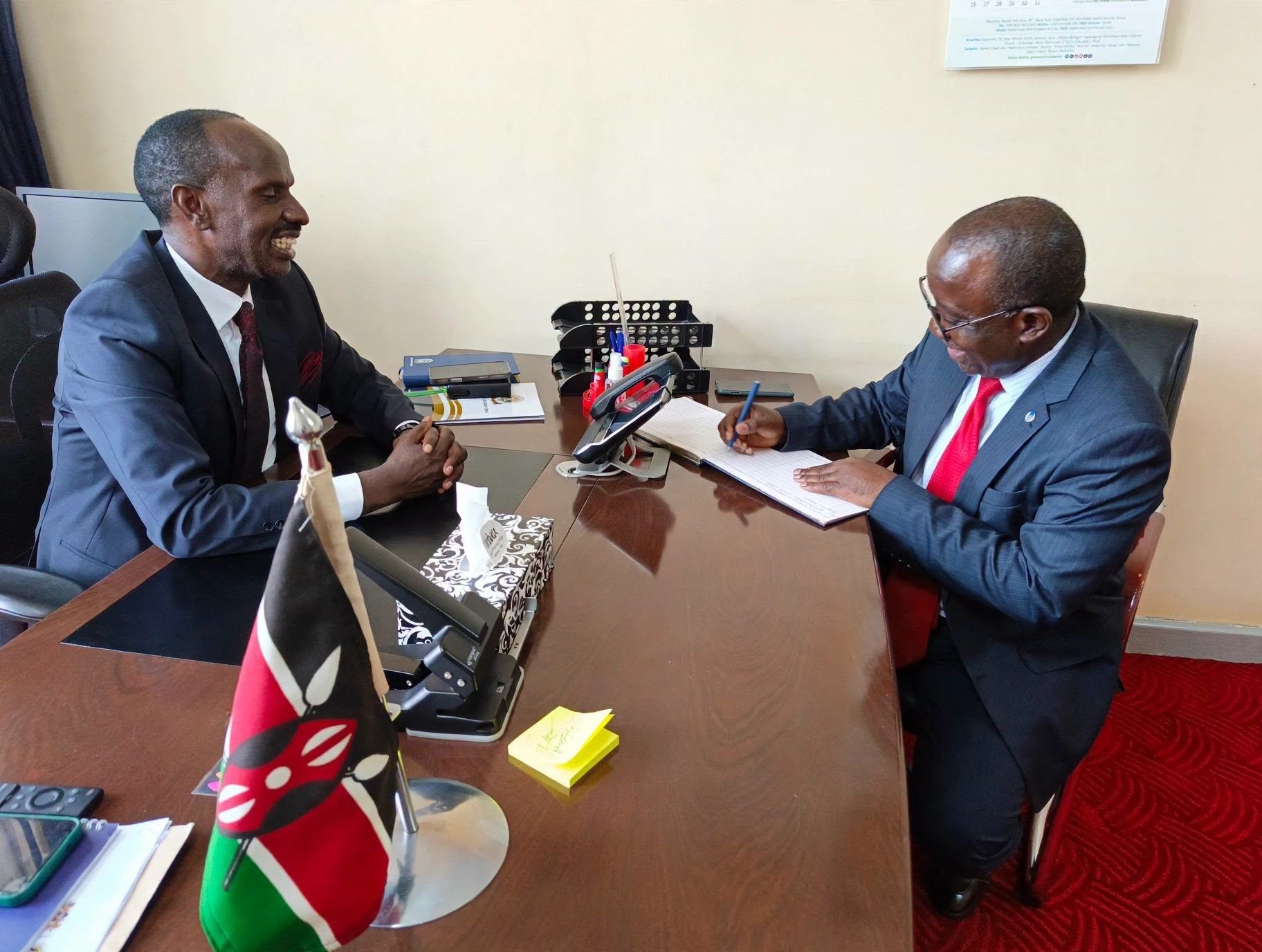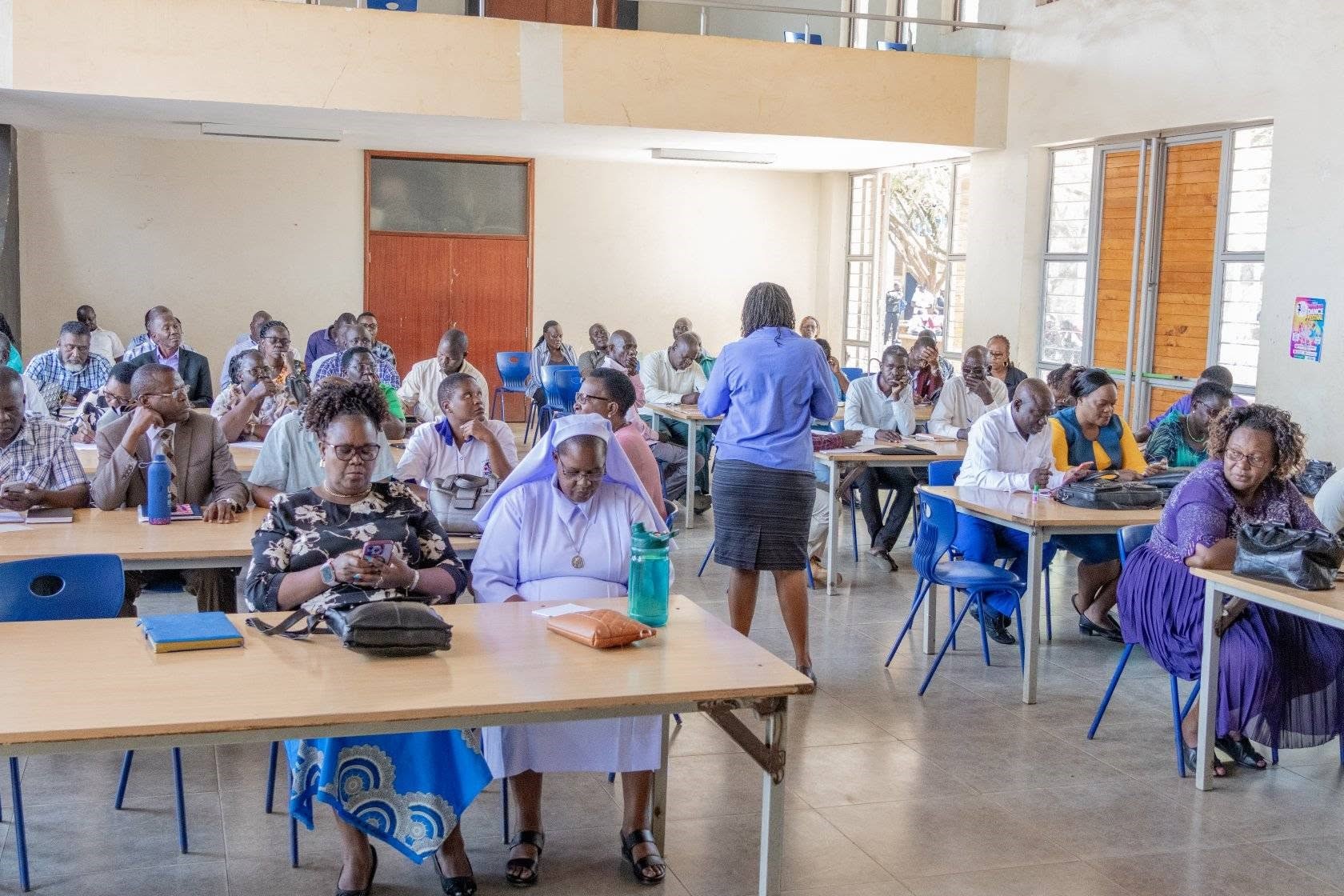
The Teachers Service Commission (TSC) is currently reviewing its Career Progression Guidelines (CPG) in what could become one of the most significant restructuring exercises in Kenya’s teaching profession in over a decade.
The review seeks to address long-standing concerns over delayed promotions, career stagnation, and a highly layered grading system that many teachers argue has become slow, complex, and increasingly disconnected from performance and professional growth.
At the center of the proposal is a possible transition from the current B5–D5 grading structure to a simplified six-band career progression model (Levels 1–6) aimed at streamlining advancement and improving predictability in teacher development.
According to the proposal, the Acting TSC Secretary Eveleen Mitei, together with the Commission’s top management, have spearheaded discussions around the introduction of the six-band system in place of the current eleven-band structure, with the primary objective of eradicating career stagnation that has long affected teachers across the country.
Teachers, who have endured prolonged periods without promotion despite additional qualifications and years of service, are now watching closely and, as stakeholders put it, are “holding their breath” and hoping that the reforms will finally deliver a fair and responsive career progression system.
ALSO READ:
HELB opens 2026/27 subsequent loan applications for continuing students
Current structure: B5–D5 grading system
Under the existing framework, teachers progress through eleven distinct grades:
B5 → C1 → C2 → C3 → C4 → C5 → D1 → D2 → D3 → D4 → D5
Each grade corresponds to defined job responsibilities and salary scales. Approximate monthly basic salary ranges are:
B5: 23,000 – 29,000
C1: 29,000 – 36,000
C2: 36,000 – 44,000
C3: 44,000 – 58,000
C4: 58,000 – 75,000
C5: 75,000 – 90,000
D1: 90,000 – 110,000
D2: 100,000 – 130,000
D3: 130,000 – 150,000
D4: 150,000 – 180,000
D5: 180,000 – 200,000+
While structured, the system has been widely criticized for creating long promotion delays, with some teachers remaining in the same grade for many years despite further training and experience.
The proposed shift: Six-band system (projected model)
TSC has not yet published the final mapping, but consultations indicate a proposed simplified structure of six broad career bands designed to replace the current multi-grade ladder.
The following is a working projection based on ongoing stakeholder discussions:
Proposed level 1 – entry teacher band
Projected alignment: B5–C1
Focus: Induction into the profession, classroom foundations, supervised teaching practice, and early career development.
Proposed level 2 – developing teacher band
Projected alignment: C1–C2
Focus: Strengthening subject mastery, classroom effectiveness, and basic instructional competence.
Proposed level 3 – proficient teacher band
ALSO READ:
Chesamisi High School to reopen next week as students face KSh 3,000 riot damage levy
Projected alignment: C2–C3
Focus: Independent classroom delivery, consistent performance, and curriculum implementation competence.
Proposed level 4 – senior teacher band
Projected alignment: C3–C4
Focus: Instructional leadership roles including mentoring, subject coordination, and departmental responsibilities.
Proposed level 5 – advanced professional / specialist band
Projected alignment: C5–D2
Focus: Senior teaching roles, curriculum leadership, school-based instructional support, and entry-level management functions.
Proposed level 6 – executive education leadership band
Projected alignment: D3–D5
Focus: School heads, senior principals, curriculum directors, and top-tier education administrators.
Key intent of the proposed restructure
The shift from eleven grades to six broader bands is designed to:
Reduce promotion bottlenecks
Shorten progression timelines
Improve transparency in career advancement
Align promotions more closely with competence and performance
Simplify the career structure for easier interpretation and management
Under the proposed framework, career progression timelines could potentially reduce from over 30 years under the current system to approximately 16–18 years, depending on performance and qualification pathways.
ALSO READ:
Moving toward a more predictable promotion model
Another major reform under consideration is the introduction of a more structured promotion cycle, potentially allowing progression every three years, subject to meeting performance and professional standards.
This would mark a shift away from vacancy-dependent promotions toward a more predictable, merit-based system.
Emphasis on competency-based growth
The proposed framework is also aligned with competency-based evaluation, where progression would depend on:
Teaching performance
Professional competencies
Academic qualifications
Continuous professional development
Demonstrated instructional leadership
This mirrors Kenya’s broader education shift toward Competency-Based Education (CBE).
Separate career pathways
The review also proposes distinct progression tracks for:
Classroom teachers
School administrators
Curriculum and instructional support professionals
This is intended to ensure that teachers are not compelled to move into administration purely to achieve career growth.
The proposed transition from the B5–D5 grading structure to a six-band system (Levels 1–6) represents a potential structural overhaul of Kenya’s teaching career framework.
Although still under consultation, the model signals a move toward a simpler, faster, and competency-driven system that prioritizes professional growth and performance.
If implemented, the reforms could fundamentally reshape how teachers progress, how they are rewarded, and how the profession is structured in Kenya.
For many educators, the proposal represents a possible turning point—one that replaces prolonged stagnation with a clearer and more predictable career path.
By Hillary Muhalya
You can also follow our social media pages on Twitter: Education News KE and Facebook: Education News Newspaper for timely updates.
>>> Click here to stay up-to-date with trending regional stories
>>> Click here to read more informed opinions on the country’s education landscape