- Astiba has called for a shift in approach that includes boys, parents, teachers and communities in preventing the exploitation of vulnerable children.
- There is need for stronger teacher safeguarding training, age-appropriate education, and stricter enforcement of the law against adults who exploit children.
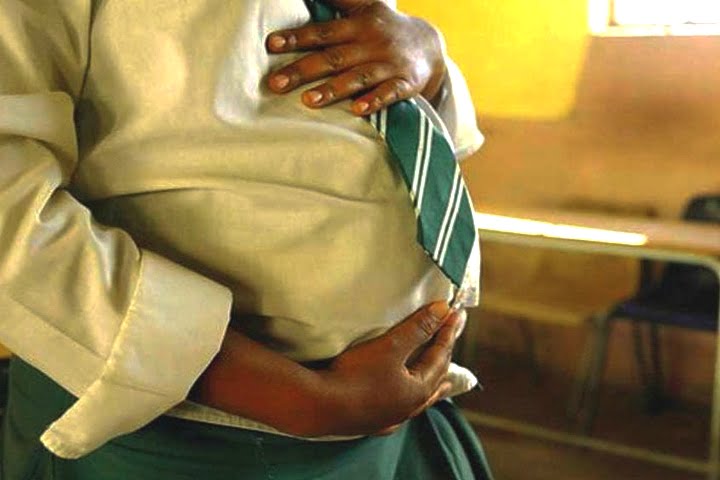
The recent report from Bungoma County that 36 schoolgirls have been affected by teenage pregnancy is deeply disturbing. According to Citizen Digital, 10 girls are currently expectant, 13 are already mothers, and another 13 have dropped out of school. Police are investigating and pursuing suspected perpetrators.
For many of us in education, this is more than a news story. It is a painful reminder that, despite years of campaigns against teenage pregnancy, child abuse and other threats to the girl child, the problem remains with us. I have written about this subject before, as have many other educators, parents, policymakers and organisations. We have held forums, conducted sensitisation programmes and encouraged girls to remain focused on their education. Yet here we are again. This makes me wonder: are we doing enough, or have we become too comfortable talking about the problem without sufficiently addressing what is happening around our children?
The 2022 Kenya Demographic and Health Survey reported that 15 per cent of adolescent girls aged 15–19 had ever been pregnant. Behind every percentage, however, is a young person whose education, health and future may be affected. As an educator, one of the most difficult experiences is calling a parent, particularly one from a financially vulnerable family, to inform them that their daughter is expectant. You can hear the pain in the parent’s voice, and sometimes you know the family has made enormous sacrifices simply to keep that child in school.
RELATED:
36 Bakisa Senior School Girls in Bungoma County reportedly pregnant; leaders demand action
This Cannot Remain a Girls’ Problem
Our approach must change. When a schoolgirl becomes pregnant, society often asks what the girl did wrong; why she accepted the relationship, why she was outside the home, why she did not refuse or seek help. Those questions may sometimes be relevant, but they are not enough. We should also ask who was involved, who influenced her, who exploited her vulnerability, and whether an adult was involved. This is why the boy child must not be left out of this conversation. Our boys need guidance just as much as our girls do. They need to understand respect, responsibility, boundaries and the consequences of exploiting or pressuring another person. We cannot spend years telling girls how to protect themselves while saying too little to boys about their responsibility towards girls.
Peer influence also deserves attention. A friend can be a source of pressure, but a friend can also be a source of protection. A learner who notices that a colleague is being drawn into a dangerous relationship should know that speaking up is not betrayal; it may be an act of friendship that saves a life. Research on adolescent pregnancy in low- and middle-income countries has identified several interacting risk factors, including peer pressure, substance use and inadequate sexuality education, while communication with parents, school engagement, community action and supportive policies can offer protection.
This is particularly important for schools, where not every pregnancy should simply be recorded as a case of indiscipline. Some adolescents make risky choices; others may be experiencing neglect, poverty, manipulation, grooming or abuse. This distinction matters because the response must match the problem: a vulnerable child needs protection and support, not punishment. Guidance and counselling departments therefore have a critical role to play, and counselling should be continuous rather than starting only after a crisis. Teachers are often among the first to notice changes in a learner, whether withdrawal, secrecy, absenteeism, unexplained gifts or fear, and a simple, private question can open a door. The American Psychological Association emphasises the importance of trust, time and non-judgmental communication when adults work with adolescents, noting that young people may take time before they feel safe enough to disclose what is troubling them. A learner who is afraid of being judged may remain silent even when she desperately needs help.
Parents, Digital Safety and the Case for Age-Appropriate Education
We cannot leave the responsibility to schools alone. Parents need to create homes where children can ask difficult questions without immediately expecting punishment. The adolescent years can be difficult for families, and the APA notes that open communication and parental involvement are important during this period. A daughter should be able to raise a concern without first worrying that she will be punished, and a son should also be able to discuss relationships and peer pressure without being ridiculed. Silence does not protect children.
We cannot discuss teenage pregnancy without acknowledging the world in which today’s children are growing up. A smartphone can expose a young person to material and conversations that previous generations encountered much later, if at all. Social media can create opportunities for connection, but it can also expose children to manipulation and adults who deliberately seek out vulnerable young people. We should, however, be careful not to blame the internet alone; it is one factor within a much wider social environment. What we need is stronger digital literacy, so that children understand personal boundaries and privacy, know how to block and report inappropriate communication, and know whom to approach when something feels wrong.
ALSO READ: Geoffrey Mosiria dismisses claims he was suspended or expelled from UoN
This is also a conversation about age-appropriate sexuality education that we should no longer avoid. Talking to children about their bodies, personal safety, boundaries, consent, and protection from abuse does not mean encouraging sexual activity. The World Health Organisation identifies lack of education, poverty and child sexual abuse among the circumstances associated with adolescent pregnancy, and stresses the importance of education in prevention. The Ministry of Education and KICD should continue examining how age-appropriate information on personal safety, relationships, consent, reproductive health, digital safety and reporting abuse can be strengthened within the curriculum, so that children receive accurate information from responsible adults before misinformation reaches them.
Teachers are often expected to identify problems, counsel learners, communicate with parents and make referrals, yet safeguarding requires specialised knowledge. TSC and education stakeholders should strengthen continuous professional development for teachers in areas such as child protection, identifying signs of grooming and abuse, handling disclosures, and trauma-informed support, so that a teacher knows how to respond to a disclosure without turning it into an interrogation. The goal should always be to protect the learner, preserve confidentiality within the limits of the law, and ensure that appropriate professionals and authorities are involved.
The Law, Re-Entry and a Shared Responsibility
Where adults prey on children, the law must take its course. Kenya’s Sexual Offences Act provides that penetration with a child constitutes defilement and prescribes severe penalties upon conviction, and also makes sexual communication with a child by an adult an offence. Where an adult is suspected of exploiting a child, the matter should not be reduced to a discussion about the girl’s behaviour; it requires proper investigation and, where evidence establishes an offence, prosecution in accordance with the law. Children must also be protected from public exposure and stigma while cases are being investigated.
Prevention is our priority, but we must not abandon the girl once pregnancy occurs. She is still a learner, still a child. Kenya’s National Guidelines for School Re-entry provide for learners who become pregnant to receive support, counselling and opportunities to return to education, with an emphasis on confidentiality and continuation of learning. The Ministry of Education therefore carries two responsibilities: preventing teenage pregnancy, and ensuring that pregnancy does not automatically end a girl’s education.
The church and wider community must also step forward. Religious leaders can provide mentorship, encourage responsible parenting and create safe spaces for young people, but this must go beyond occasional sermons. Communities must also refuse to normalise relationships in which adults exploit vulnerable children. As Proverbs 31:8–9 reminds us, we are called to “speak up for those who cannot speak for themselves.”
ALSO READ: MPs oppose school levies imposed for better student diets
Perhaps the time has come for us to stop treating teenage pregnancy as an issue that belongs to the girl, her parents or her school alone. It belongs to all of us. Parents must listen more. Schools must identify vulnerability earlier. Teachers need better safeguarding skills. Boys must be taught responsibility. Peers must learn to protect rather than pressure one another. Churches and communities must provide mentorship. And where adults prey on children, the law must be allowed to do its work.
The reported cases in Bungoma County should not become another statistic that we discuss today and forget tomorrow. They should make us uncomfortable enough to examine what we are doing, and what we are failing to do. The girl child does not need our sympathy after harm has occurred. She needs adults who listen before she is in crisis, schools that notice when something is wrong, parents who create safe homes, boys who understand responsibility, and institutions prepared to act when a child’s safety is threatened. If we truly want to protect the girl child, the whole community must stand on the same side, and the boy child must be part of that effort.
By Astiba Kebongo jackiekebongo@gmail.com
Get more stories from our website: Education News
To write to us or offer feedback, you can reach us at: editor@educationnews.co.ke
You can also follow our social media pages on Twitter: Education News KE and Facebook: Education News Newspaper for timely updates.
>> Click here to stay up-to-date with trending regional stories