- Mike “Gorba” Ochieng’ argues that teamwork requires deliberate leadership, mentorship and shared responsibility throughout the year.
- Drawing lessons from biblical figures, he explains how strong teams multiply leadership, build resilience and strengthen institutional goals.
- He maintains that effective leaders empower others with responsibility, authority and trust instead of attempting to do everything themselves.
Teamwork is very integral to any type of leadership. Teamwork is a lot more about multiplication than addition—the leader should create more leaders who will multiply the work done and ensure supervision is carried out. Teamwork multiplies the work done compared with what the leader would achieve if left to do it alone.
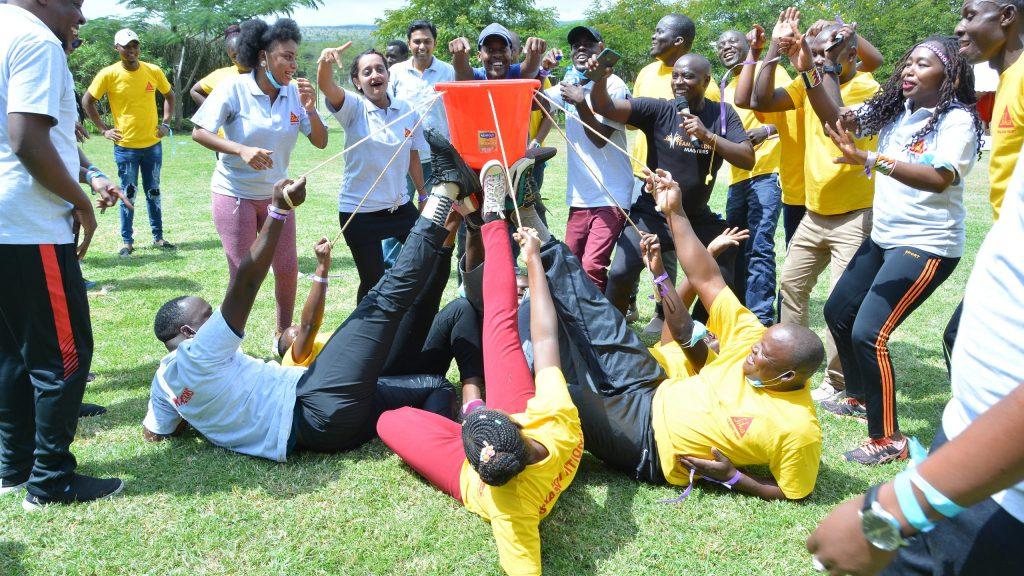
Allow me to burst your bubble. Many institutions get it wrong when they expect team-building sessions alone to be of great assistance to members and carry the momentum for the rest of the year. No way! There must be deliberate efforts and clear-cut mechanisms to sustain teamwork throughout the year.
There are a lot of examples and takeaways on teamwork for us to draw from.
In Acts 13 and 15, the importance of teamwork is glaring. Paul, formerly Saul, is joining the brotherhood after leading a prolonged onslaught against Christians. He is much hated, to say the least, yet here he is, guided by the Holy Spirit and a burning desire to join the apostles and disciples. It is a very hostile team and community that he must fit into.
But Barnabas! He helped Paul settle seamlessly, and the two worked together.
Teamwork is mentorship. Many times, we have a new member of staff, a new church member, a new student or even a new boss. They need the right guidance and a helping hand to bring them into the team so that they not only fit into the system but also become effective and settle with the right attitude and frame of mind.
They will receive so many negative things on their first day, including from those with personal beef that they want to force them to inherit. Like Paul, we might also be coming into the new team with a lot of baggage that we should ordinarily have left behind.
We need the right person to help us see that baggage and point it out early. We need a helping hand to understand the values, mission and vision of institutions so that we do not feel like sore thumbs.
With good mentorship, we cannot overemphasise how much clearer the right ethos, attitudes, vision and mission become. This mentorship inadvertently leads to the building of trust, knowing someone has your back, which in turn leads to confidence in one’s own skin and the desired results.
Strong leaders empower and encourage—especially the new person.
When Elijah had just won the battle with Jezebel, he retreated into the wilderness wishing death upon himself—until he was told, “Hey! You are not alone. There are many others.”
I can imagine how renewed Elijah felt. He even went ahead and left a powerful successor in the process—Elisha.
Teamwork makes the dream work.
Having the knowledge that you are all on the same team, pushing towards the same goals, undergoing the same challenges and expecting the same rewards does something deep to an individual in a team. It eventually motivates cohesion and team synergy.
My favourite analogy is the porcupine story. They bleed so much during winter by virtue of their bodies, but that is the best season for them. In their bleeding, survival is assured. Warmth from each other is assured as they see through the winter.
They know that at the end of everything, they will survive together, hunt together and enjoy the summer together when it comes. That’s their goal.
What’s your team’s goal in your institution or group? How much is each individual giving for the good of that goal? How much are you giving for the good of the overall goal?
Teams build personal resilience and traits such as decision-making and conflict resolution.
Remember, monkey see, monkey do? Remember GIGO?
Being in a team does not mean you lose your individuality. As a matter of fact, it should strengthen it by making you open-minded to correction and allowing you to learn a lot from others.
There is so much to learn from our peers, bosses, mentors, clients and other stakeholders.
Abraham and Lot had formed an enviable bond of brotherhood that extended to their workers and households. In staying together, many conflicts arose that were solved amicably. Both learnt from each other, but Abraham, being older and anointed, might have imparted more to Lot.
A time came when, due to fights over pasture, they had to separate. And they did it peacefully and respectfully while maintaining a healthy relationship. No wonder Abraham pleaded with God on behalf of Lot that he be spared from destruction. Indeed, Lot was saved.
Barnabas and Paul also disagreed. They parted amicably. Barnabas took John Mark to Cyprus while Paul chose Silas as his partner to go through Syria.
Teamwork doing multiplication there, even in conflict—the same mission and vision, now faster and with more hands!
How do you handle interpersonal conflicts in your team?
Teamwork is shared authority
Teamwork is also about shared authority.
Most heads of institutions who empower their prefect body through training and seminars do more than that. They are sharing their authority. The same applies to companies that take staff not only for retreats but also for training in team-building.
We provide both here at Gorba Total Wellness Services.
This is done when real responsibility and authority are given, and leaders trust those assigned the tasks to perform them. Evaluation of their performance and further training may come later.
But allow them to work first! Let them implement it first!
They will be surprised to learn a lot more on their own in the process.
While rebuilding the walls of Jerusalem, Nehemiah divided the labour among families and assigned builders, while also appointing guards because they were building during a time of conflict. No one was left out. You were either building or guarding.
A leader pulls the team together for a cause.
Jesus Christ gave full authority and even a scope of work, and after training his disciples, sent them out to work.
Was he there micromanaging them? No!
He simply let them work as he provided oversight and support.
Doing everything for your family members, especially children, your students, staff or any team you lead is not helping much. Let them take the baby steps and grow.
As you do so, give them your trust, mentorship and training, and occasionally bring them to the board to evaluate how far the process is going.
A leader creates leaders.
Everyone must take responsibility
All in all, teams require individual attention and devotion towards the common goals of the group. While at it, the individual experiences personal growth as well as group growth.
A group requires mutual support, encouragement and respect to counter the negatives that threaten to bring members down.
Teamwork should also mean dedication from everyone. This will prevent lazy bones from escaping responsibility. Some people will sit pretty knowing somebody will do it after all.
Once everyone takes personal responsibility, the wheels turn smoothly.
Ever been to a construction site? Ever heard the songs they sing there?
That’s the spirit.
READ ALSO: Moi University lecturer confronts participant over obscene gesture during online class
Teamwork is sweet, enjoyable and interesting—not a yoke put on your neck, with the master holding the leash a mile away.
Enjoy the teamwork!
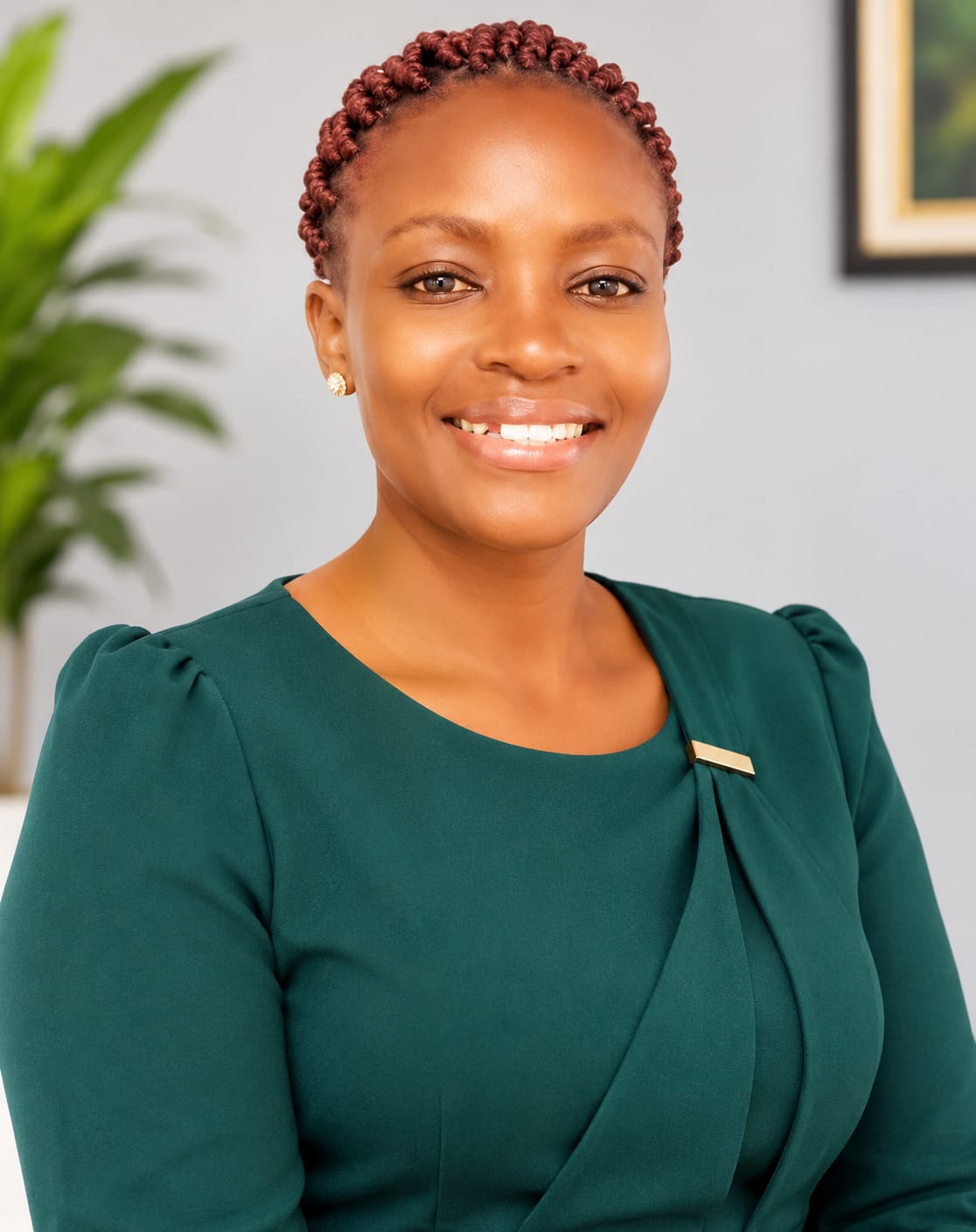
By Mike “Gorba” Ochieng’
The writer is a team-building and life coach and speaker. Email: mikeochieng11@gmail.com. Tel: +254714904165.
Get more stories from our website: Education News
To write to us or offer feedback, you can reach us at: editor@educationnews.co.ke
You can also follow our social media pages on Twitter: Education News KE and Facebook: Education News Newspaper for timely updates.
>> Click here to stay up-to-date with trending regional stories