- Junior and senior school teachers have undergone practical training to strengthen digital and STEM teaching.
- Workshop sessions expose educators to artificial intelligence, interactive content and technology-based assessment approaches.
- Organisers say the initiative will deepen Kenya-China collaboration in teacher development, research and innovation.
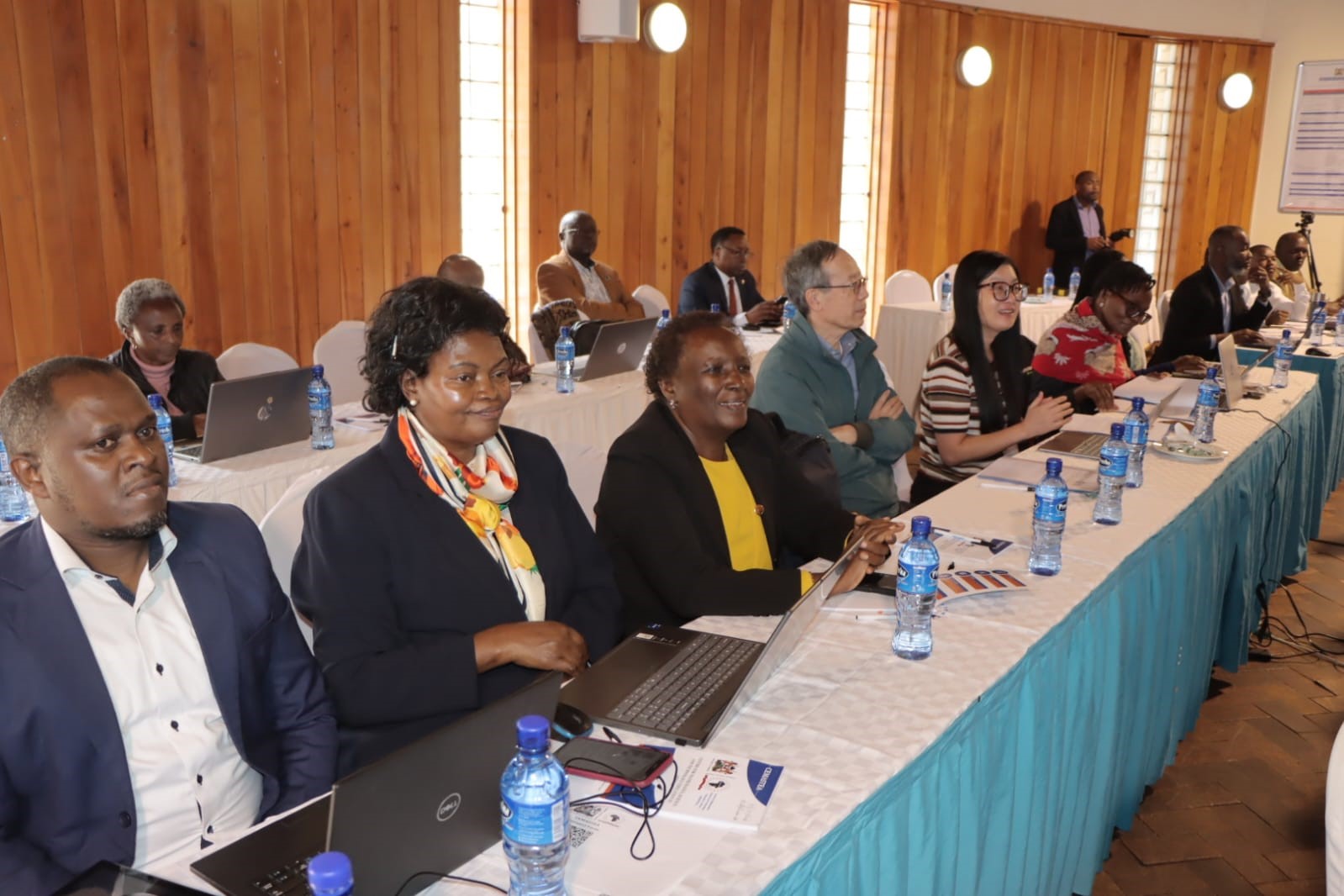
Junior and senior school teachers have undergone a two-day practical workshop aimed at strengthening their digital literacy and teaching competencies for effective implementation of Competency-Based Education (CBE) and STEM education.
The training focuses on equipping teachers with practical skills in Artificial Intelligence (AI), digital technologies, interactive learning content and technology-based assessment.
The workshop is a collaborative initiative sponsored by the Centre for Mathematics, Science and Technology Education in Africa (CEMASTEA), the Institute of the China-Africa Consortium of Universities Exchange Mechanism, the Zhejiang Normal University (ZJNU) Global Teacher Professional Development Institute for Africa, and the African Foundation for Women and Youth in Education, Sciences, Technology and Innovation (AFoWYESTI).
The training gives teachers hands-on experience with digital technologies and STEM activities while enabling them to develop interactive digital learning materials and explore national and international best practices.
It is also intended to strengthen teachers’ ability to adapt emerging technologies to Kenyan classrooms while promoting collaboration between Kenyan and Chinese institutions in digital and STEM education, teacher professional development, research and innovation.
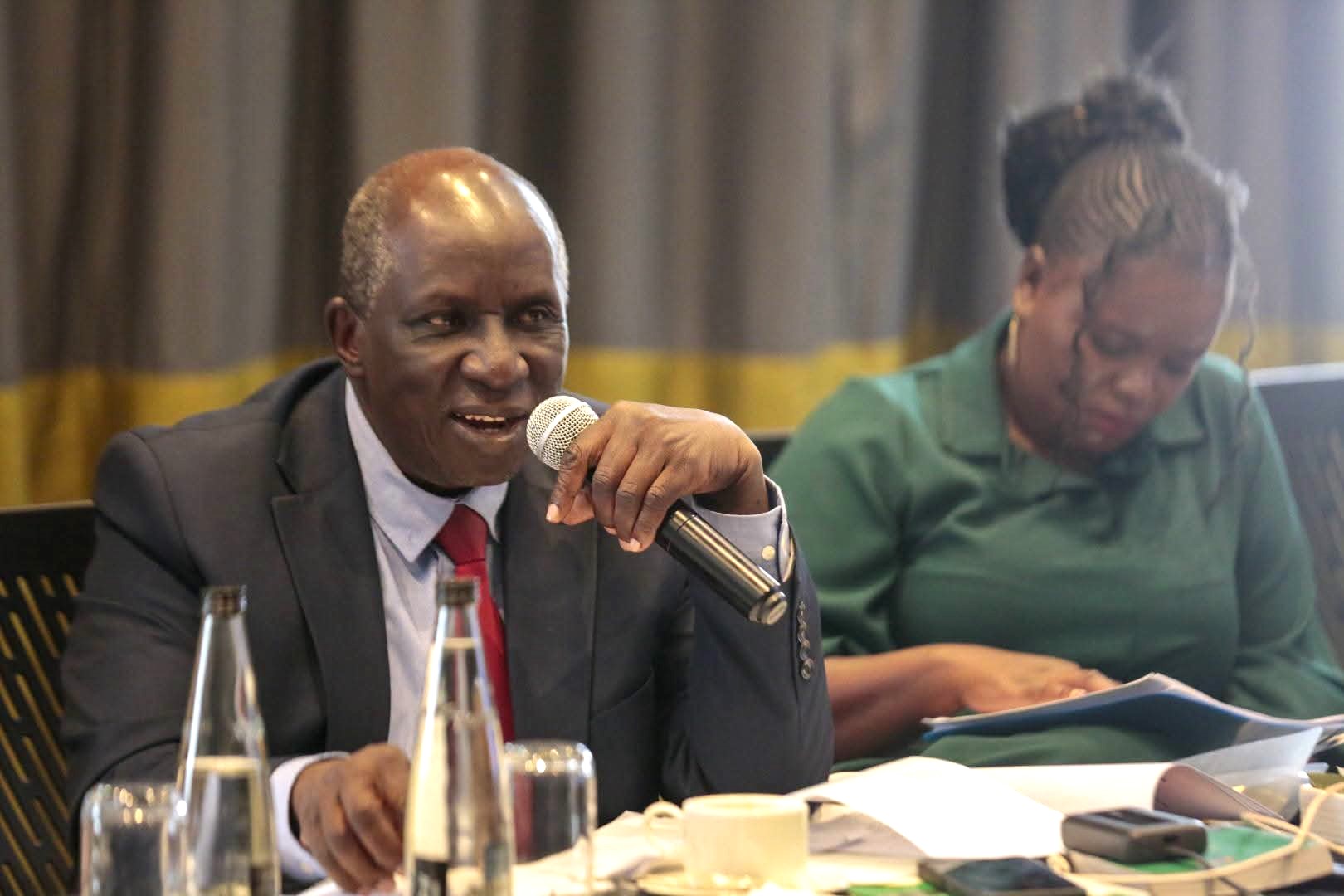
Speaking during the opening ceremony, Nelson Sifuna, Secretary for Basic Education, who represented Dr Elyas Abdi Jilla, Director General in the State Department for Basic Education, said the implementation of Competency-Based Education requires a fundamental shift in how teaching and learning are conducted.
He said CBE calls for a move away from teacher-centred transmission of knowledge towards learning that develops communication, collaboration, critical thinking, creativity, problem-solving, self-efficacy, learning to learn and digital literacy.
“Technology should be used in enabling teachers to teach better and learners to demonstrate deeper understanding and stronger competencies,” Sifuna said.
He noted that the government’s focus is no longer simply on providing access to education or transmitting large volumes of content, but on what learners know, what they can do, how they think, how they relate with others and how they apply knowledge to real-life situations.
Sifuna said digitally literate learners should be able to find, evaluate, create and communicate digital information while using digital tools responsibly to solve problems and enhance learning.
For teachers, he said, digital literacy means developing the confidence and competence to select appropriate technologies, integrate them with curriculum learning outcomes, facilitate inquiry and collaboration, create or adapt digital content, and use digital tools for assessment and feedback.
He said the government will continue to support teachers to use technology to promote inquiry, experimentation, collaboration, creativity, problem-solving and formative assessment.
Kenya-China partnership
Professor Huang Xiao, Dean of the School of Education at ZJNU, said rapid changes in technology are transforming both teaching and learning, making continuous professional development essential for educators.
She urged teachers to strengthen their digital and scientific literacy as well as their capacity to innovate.
“The way learners learn and teachers teach has changed and there is need to keep learning. We need to change our digital literacy, scientific literacy and ability to innovate,” Huang said.
She said the partnership between Kenya and China would provide an opportunity for educators from the two countries to learn from one another.

“Teachers need to use new technology to solve new problems in education. Let us create a bridge for Chinese and Kenyan teachers to learn and grow together,” she said.
CEMASTEA Acting CEO Mrs. Gladys Masai said teachers remain the most important drivers of educational transformation, she noted that the teachers translate digital resources into meaningful learning experiences for every learner.
She called on the partners to continue working together to ensure equitable access to quality digital and STEM education for all learners, particularly those in underserved and marginalized areas.
CEMASTEA Director of STEM Training John Livingstone Makanda said teachers must first acquire strong digital skills if they are to effectively impart the same competencies to learners.
“Kenya is in the forefront to ensure every learner acquires digital skills because in everyday learning, that is what people require,” Makanda said.
He said CEMASTEA would continue strengthening partnerships with universities and Chinese institutions, noting that discussions were underway to formalise the collaboration through a Memorandum of Understanding (MoU).
Makanda commended the organisations supporting the initiative, saying international cooperation gives Kenya opportunities to exchange practical experiences, research, technologies, teacher development models and innovations.
READ ALSO: Bomet University bans Crocs, slippers and revealing clothes in new student dress code
The training is expected to contribute to the country’s efforts to prepare teachers and learners for an increasingly digital education environment while strengthening the use of AI and other emerging technologies in teaching, learning and assessment.
By Obegi Malack
Get more stories from our website: Education News
To write to us or offer feedback, you can reach us at: editor@educationnews.co.ke
You can also follow our social media pages on Twitter: Education News KE and Facebook: Education News Newspaper for timely updates.
>> Click here to stay up-to-date with trending regional stories