- Teachers say Phase II of the 2025–2029 CBA delivered meagre pay rises of KSh693–KSh2,000 depending on their job grade and salary point.
- Union officials argue increments fail to match inflation, with commuter allowance unchanged for 15 years.
- Teachers cite PAYE, housing levy, SHIF, and pension deductions as wiping out salary gains.
Teachers have expressed dissatisfaction with the second phase of the 2025–2029 Collective Bargaining Agreement (CBA), faulting their unions for endorsing a deal they say has yielded minimal benefits despite months of negotiations.
The discontent follows the Teachers Service Commission’s (TSC) release of a circular outlining the implementation of Phase II of the CBA, with many teachers discovering that their salary increases range between KSh693 and KSh2,000, depending on their job grade and salary point.
The revised salary structure, contained in a TSC circular dated July 16, directs regional, county and sub-county directors to implement the new pay rates for teachers who were in service as of July 1, excluding interns.
A teacher based in Nairobi said the figures announced by the unions and the TSC had raised expectations of significant salary improvements, only for many teachers to find that the actual increase in their take-home pay was far lower than anticipated.
“According to the CBA, a teacher in Job Group C3 was supposed to receive a salary increase of Ksh2,055. What was not made clear is that this is the amount before statutory deductions. The agreement fell far short of teachers’ expectations,” said the teacher.
Under the CBA, the four-year agreement was valued at KSh33.75 billion, covering salary reviews, structural adjustments and enhanced welfare benefits. The deal provided for cumulative basic salary increases of between 16 and 32 per cent, to be implemented in phases, with the government allocating KSh8.4 billion to finance the second phase.
ALSO READ:
Why Sossion and Lentoijoni could be the befitting choice for coveted TSC commissioner posts
However, many teachers say attention has shifted from the overall value of the agreement to the actual amounts reflected in their payslips, with some questioning whether their unions negotiated the best possible terms.
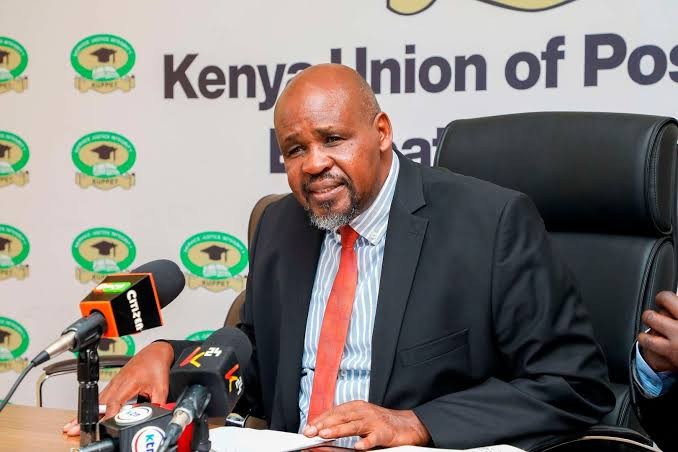
KUPPET Vihiga Executive Secretary Sabala Inyeni argued that the salary increments have failed to keep pace with the rising cost of living.
“Then again, there are components of our earnings which were never given consideration. For instance, commuter allowance has remained the same for over 15 years since it was introduced, yet the cost of fuel has been rising monthly,” said Inyeni.
Other allowances retained under the new agreement include house allowance, hardship allowance, annual leave allowance, baggage allowance and disability allowance.
Teachers argue that the salary increment falls short of addressing the rising cost of living, noting that years of delayed salary progression have been compounded by increased statutory deductions, including PAYE, the Housing Levy, Social Health Insurance Fund (SHIF) contributions and pension deductions.
KUPPET Deputy Secretary-General Moses Nthurima said the pay rise was insufficient to cushion teachers against the growing deductions, which have significantly reduced their disposable income.
“The conundrum is that the government has taken more money from teachers than it is injecting back. We have money for SHA, money for housing, money for NSSF. What teachers have lost through taxes and statutory deductions cannot be compared with what has been given through the CBA,” he said.
Mr Nthurima said teachers were still waiting for the government to fulfil promises on improving their earnings and reviewing the CBA structure to ensure future adjustments provide meaningful relief.
Teachers are also pushing for future CBAs to be reviewed every two years instead of four.
“President Ruto promised us that the CBA phases will be reduced from four to two years. Unfortunately, this is one of the many promises that have not been actualised by the president,” said KUPPET Vihiga Executive Secretary Sabala Inyeni.
By Frank Mugwe
You can also follow our social media pages on Twitter: Education News KE and Facebook: Education News Newspaper for timely updates.
>>> Click here to stay up-to-date with trending regional stories
>>> Click here to read more informed opinions on the country’s education landscape
>>> Click here to stay ahead with the latest national news.