- A new study has highlighted gaps between education assessment evidence and implementation in Kenya.
- Researchers found stronger evidence of policy recognition than sustained changes within schools and classrooms.
- The findings call for clearer responsibility and stronger systems to translate assessment evidence into action.
Kenya needs to strengthen the link between education assessment findings and actual implementation, a new study has warned.
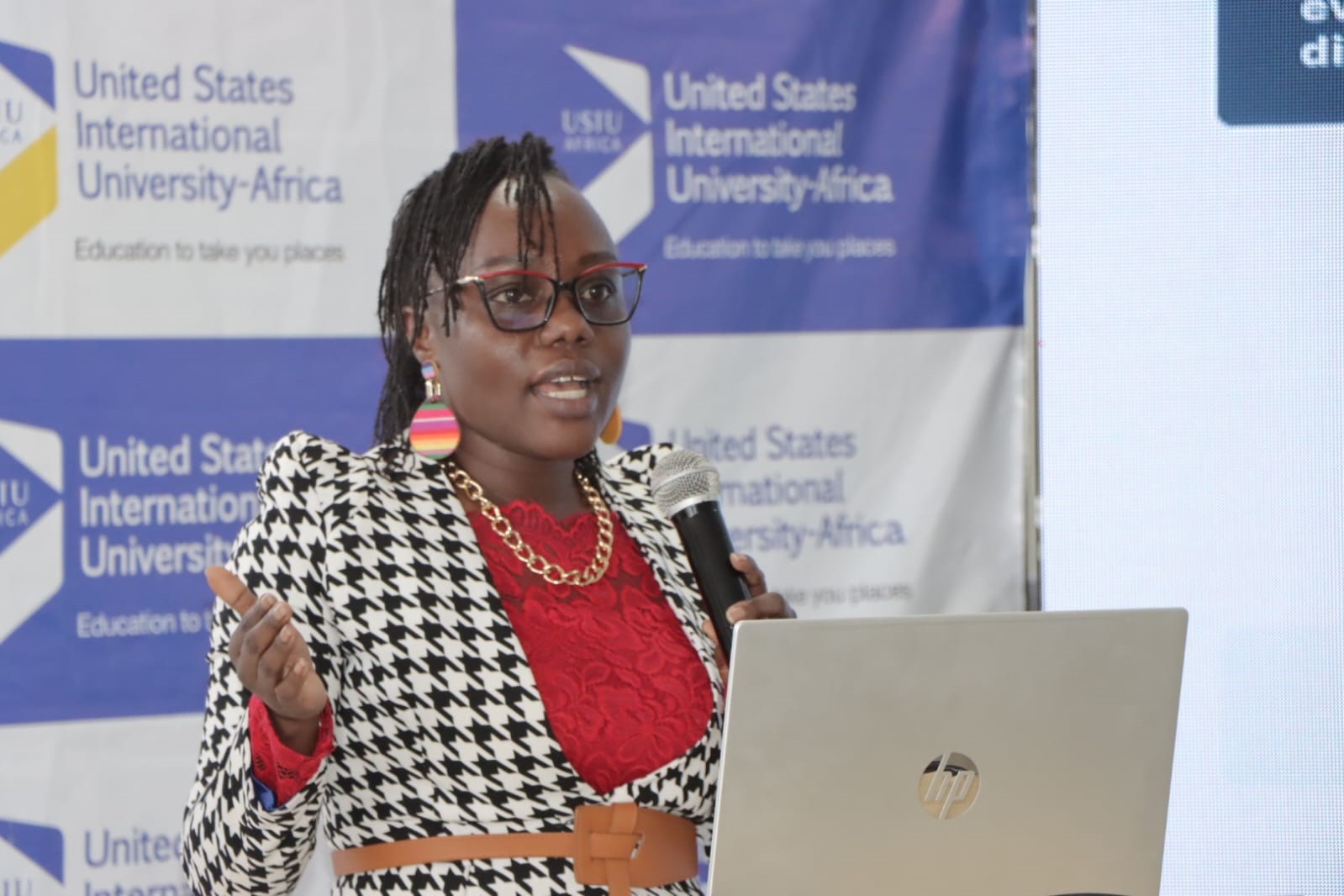
The findings were presented by Dr Winnie Tubey, a researcher and lecturer at the Technical University of Kenya, during a stakeholder findings validation and policy briefing meeting held at United States International University-Africa (USIU-Africa) on August 28, 2026.
The study, supported by Education Sub Saharan Africa (ESSA) and the Research for Equitable Access and Learning (REAL) Centre at the University of Cambridge, compared three major foundational learning assessments in Kenya: the National Assessment System for Monitoring Learner Achievement (NASMLA), Uwezo and the Foundational Literacy and Numeracy Assessment (FLANA).
Dr Tubey, who was the principal investigator of the study, said a major challenge is the lack of clear responsibility for turning evidence into action.
“There is very little evidence on how the plans are put into practice. There is use, but not practice,” Dr Tubey said, noting that policies and reports are often followed by launches and workshops without sufficient follow-through.
The study examined what the three assessment systems make visible and how their evidence is used.
NASMLA provides national evidence on learner achievement, inequalities and education system performance.
Uwezo uses household-based assessments to measure children, including those who are absent from school or out of school.
FLANA combines child assessments with household, school and community information, covering issues such as disability, staffing, leadership, water, sanitation and hygiene (WASH), safety and technology.
The researcher said the assessments should not be treated as interchangeable because each provides a different perspective on Kenya’s learning challenges.
The study found evidence of NASMLA findings informing initiatives including the School-Based Teacher Support Initiative and the Kenya Primary Education Equity in Learning (KPEEL) programme.
Uwezo findings have featured in national education policy discussions, while FLANA findings have been presented to parliamentary committees dealing with education.
However, researchers found that evidence of policy recognition is stronger than evidence of sustained changes in schools and classrooms.
Gap between evidence and implementation
The study highlights a key challenge: the organisation that produces evidence is often not the institution responsible for acting on it.
Learning gaps identified through assessment may require action by the Ministry of Education, Teachers Service Commission, counties, school leaders or teachers.
The research also identified gaps in understanding how language-of-instruction policies are implemented in multilingual classrooms.
It found that teacher challenges extend beyond training to include teacher availability, equitable deployment, professional support, teaching practices and leadership.
On inclusion, the assessments identify challenges affecting learners with disabilities, children outside regular school attendance and other vulnerable groups. But identifying these challenges does not necessarily result in additional resources or support.
The study also noted that providing ICT equipment does not automatically translate into meaningful use of technology for learning.
READ ALSO: Should education officers first serve as headteachers? Rethinking leadership in our education system
Dr Tubey and the research team argue that Kenya’s next challenge is not simply to produce more assessment data, but to strengthen the institutions and systems needed to act on existing evidence.
She noted that there was a clear message that assessment should not end with measurement and publication; it should lead to decisions, funded interventions and measurable improvements in classrooms.
By Obegi Malack
Get more stories from our website: Education News
To write to us or offer feedback, you can reach us at: editor@educationnews.co.ke
You can also follow our social media pages on Twitter: Education News KE and Facebook: Education News Newspaper for timely updates.
>> Click here to stay up-to-date with trending regional stories