- The Education Stakeholders Association of Kenya (ESAK) argues that past investigations have already identified causes of school unrest, such as exam pressure and weak counselling, and insists the government should act on existing reports rather than form another committee.
- Education experts note earlier commissions had proposed reforms including reviewing exam calendars, reducing mock exam pressure, improving communication between administrators and learners, and upgrading school infrastructure, but these measures remain largely ignored, sustaining unrest in schools.
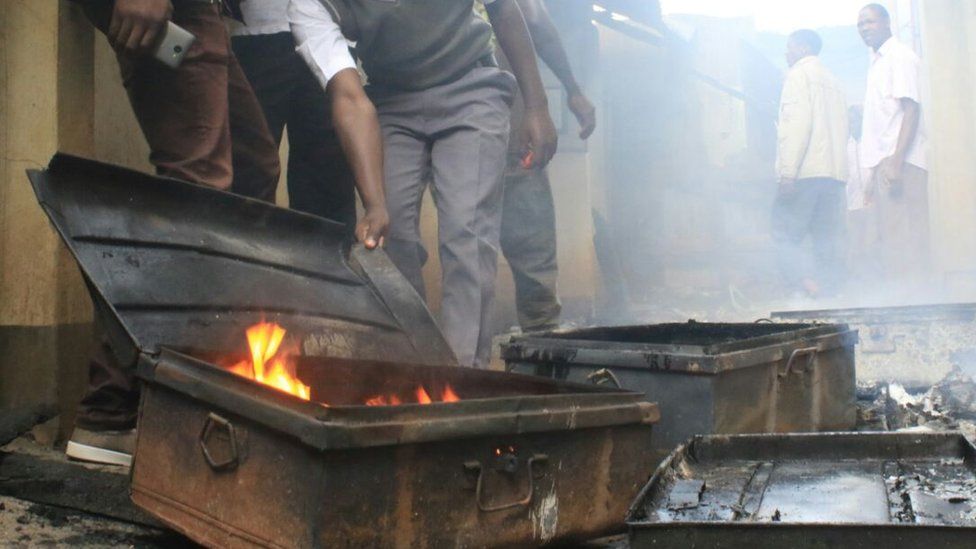
Education stakeholders have pushed back against the government’s plan to set up a fresh task force to probe the recent surge in school unrest and dormitory fires, arguing that the causes of the problem have already been established through previous investigations whose recommendations remain unimplemented.
The Education Stakeholders Association of Kenya (ESAK) said the country does not lack information on why unrest keeps recurring in schools, but rather the political commitment needed to act on findings that have long been on record. “We do not need another task force on school unrest. We already have enough reports that have clearly identified the causes of unrest and proposed practical solutions. What we need now is political will and commitment to implement those recommendations. Forming another task force without addressing the implementation gap will only delay the reforms that schools urgently need,” ESAK National Secretary Ndung’u Wangenye was quoted as saying by one of the local dailies.
The stakeholders’ pushback follows an announcement last week by Education Cabinet Secretary Julius Ogamba that a special multi-stakeholder task force, to be gazetted within two weeks, will for the first time bring students and parents into the process. The team is expected to travel across the country gathering views and recommendations before submitting its report within 90 days.
According to education experts, earlier commissions had already recommended a review of the school examination calendar, a reduction in the pressure associated with mock examinations, and the strengthening of guidance and counselling programmes in schools.
They further called for improved communication between school administrators and learners, greater student participation in decision-making, and upgrades to school infrastructure and safety standards.
Despite those earlier recommendations, mock examinations continue to be administered in many schools, sustaining the very examination pressure that previous reports had flagged as a contributing factor to unrest.
ALSO READ:
The role of courts in deterring unrest: Why learners must respect the law
Elimu Bora Working Group strategist Boaz Waruku questioned the rationale behind launching another investigation, noting that teachers, parents and education experts have for years submitted memoranda detailing both the causes of school unrest and potential solutions. “The country does not have a shortage of reports on school unrest. What we have is a shortage of implementation. The answers are already in government files. Teachers have spoken. Parents have spoken. Education experts have spoken. What is missing is not information, it’s political will,” he said.
Waruku warned that the repeated formation of task forces without follow-through on their findings creates the impression that the government is sidestepping the root causes of the crisis. “This idea of setting up another task force instead of dealing with the root causes tells you that somebody is either not keen on resolving the matter or is completely incompetent and unable to address it,” he said, further questioning whether the planned task force was designed to manage public anger rather than genuinely resolve the problem.
Not all stakeholders opposed the initiative outright. National Parents Association chairperson Silas Obuhatsa backed the planned task force but insisted it should build on existing findings rather than start a fresh inquiry from scratch. “We support the task force because the country needs answers, but it should not start from scratch. It must build on what has already been documented and identify what has not been implemented,” he said.
By Masaki Enock
You can also follow our social media pages on Twitter: Education News KE and Facebook: Education News Newspaper for timely updates.
>>> Click here to stay up-to-date with trending regional stories
>>> Click here to read more informed opinions on the country’s education landscape