- Yabesh Onwonga warns that third-term examination pressure must never compromise learners’ safety.
- He urges schools to prioritise fire drills, emergency exits, inspections and student welfare.
- Education authorities must enforce safety standards before another school fire claims learners’ lives.
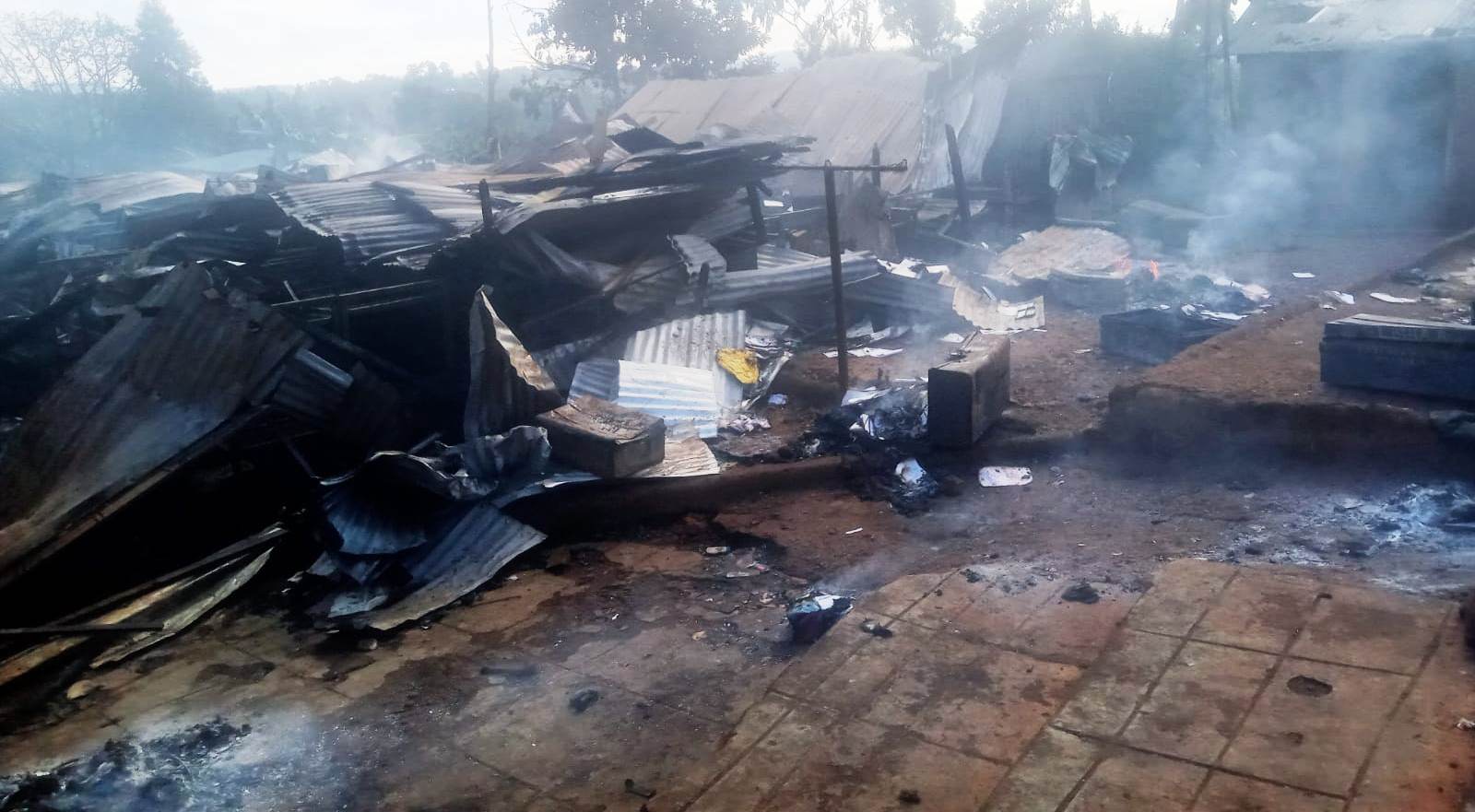
The smoke may have cleared from schools hit by recent fires, but the danger has not. As learners prepare to return for the third term—the most critical academic period before the Kenya National Examinations Council (KNEC) examinations (KCSE, KPLEA, KJSEA, KPSEA and KILEA)—the question confronting school managers is no longer whether another fire could occur, but whether schools have learnt anything from the last one.
Every school fire leaves behind the same script: shock, condolences, investigations and promises of reforms. Then, silence. Until the next blaze.
Third term is unlike any other. It is defined by high-stakes examinations, heightened anxiety, longer study hours, crowded dormitories and increased pressure on candidates. These conditions demand extraordinary vigilance, not routine administration. Preparedness should become the school’s first lesson before any teacher opens a textbook.
The greatest tragedy is that many school fires are not acts of nature. They expose failures in risk management, infrastructure, supervision, emergency preparedness or student welfare. Whether caused by arson, electrical faults or negligence, every fire asks the same question: Could this have been prevented?
School boards, principals and the Ministry of Education cannot afford to gamble with children’s lives in the name of academic excellence. Fire extinguishers should not be decorative equipment gathering dust in corridors. Emergency exits should not be locked. Dormitory inspections should not happen only after tragedy strikes. Fire drills should be as routine as morning assembly.
Parents, too, have a responsibility. Academic success should never eclipse conversations about mental health, discipline and emotional well-being. Students under immense examination pressure require support, guidance and trusted adults who can identify distress before it escalates into crisis.
Safety requires accountability
The Ministry of Education and county governments must move beyond circulars and compliance reports. They should conduct surprise safety audits, publish inspection findings and hold school managers accountable where basic fire safety standards are ignored. Accountability delayed is negligence disguised as bureaucracy.
Kenya has buried too many students and watched too many dreams reduced to ashes because lessons were identified but never institutionalised. The true measure of learning is not the number of policies written after a disaster, but the number of disasters prevented because those policies were implemented.
As candidates prepare for KCSE and other KNEC examinations, schools should remember that no grade is worth a child’s life. A safe learner is a better learner. A prepared school is a better school. And a nation that protects its children protects its future.
READ ALSO: Curriculum delivery is a marathon, not a sprint
The real examination this third term is not only for students. It is for every principal, school board, education official and parent entrusted with the safety of Kenya’s learners.
By Yabesh Onwonga
Yabesh Onwonga is a history and language analyst.
You can also follow our social media pages on Twitter: Education News KE and Facebook: Education News Newspaper for timely updates.
>>> Click here to stay up-to-date with trending regional stories
>>> Click here to read more informed opinions on the country’s education landscape