- Maurice Ochokorodi warns that publicly exposing fee arrears can damage learners’ confidence, dignity and sense of belonging.
- He urges schools to handle financial difficulties confidentially while supporting affected learners emotionally, academically and socially.
- Schools, families and communities should pursue practical fee solutions without turning financial hardship into public humiliation.
Education is an important foundation for a young person’s future. However, students who come from families experiencing financial difficulties may face challenges in paying school fees. Beyond the financial problem itself, fee difficulties can have a significant effect on a student’s confidence, emotional well-being, academic performance and relationships with other students.
Schools, teachers, parents and communities therefore have an important role to play in protecting the self-esteem, dignity and emotional well-being of students facing financial challenges.
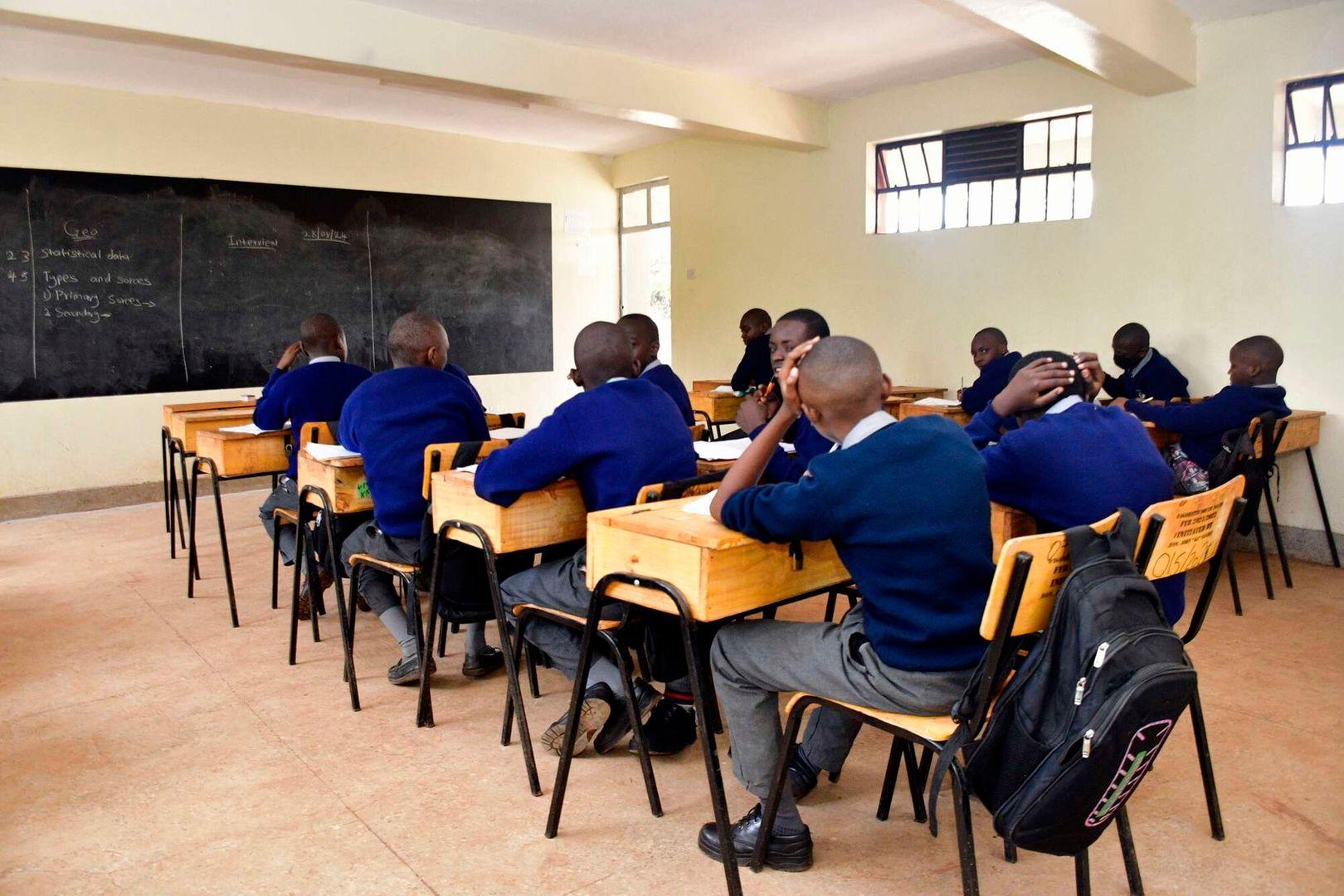
Exposing an individual student’s fee arrears to the entire school population is a sure way of damaging, and in some cases killing, that student’s self-esteem. A student who is publicly identified as owing school fees may feel ashamed, rejected, isolated or inferior to classmates whose fees have been paid.
Such exposure can have lasting psychological effects. The student may withdraw from friends, lose confidence, avoid participating in school activities or even begin to view themselves as a burden. What may appear to administrators as a simple way of enforcing fee payment can therefore become a deeply humiliating experience for a young person.
Fee matters should be handled confidentially, sensitively and with dignity. The responsibility for resolving outstanding fees belongs primarily to the school and the parent or guardian — not to the student.
This argument is particularly relevant in Kenya’s public-school context. The Basic Education Act provides that although approved charges may be imposed in public schools, a child should not be refused attendance because of failure to pay such charges.
In January 2026, the Ministry of Education similarly reiterated that learners should remain in school as parents and guardians make arrangements to settle outstanding fees.
Understanding every student’s background
A proper understanding of each student’s family and social background is essential. Not every parent or guardian who struggles to pay school fees is unwilling to do so. Some families may be dealing with unemployment, unstable incomes, family responsibilities, emergencies or other financial difficulties.
School administrators and teachers should therefore seek to understand the circumstances behind a student’s fee situation before making judgments. Compassion and communication can often reveal solutions that punishment and public embarrassment cannot.
Schools should regard every student as a member of the school family. Once a child is admitted to a school, they should feel that they belong, regardless of their family’s financial circumstances.
A school family should protect its members, especially when they are vulnerable. Students should be encouraged to see one another as brothers and sisters in the same educational community rather than as competitors divided by economic status.
When students feel accepted and valued, they are more likely to develop confidence, participate actively in school life and perform to their potential.
Protecting students’ dignity
One of the most important responsibilities of a school is to protect the dignity of its students. Fee matters should be discussed privately with parents or guardians and, where necessary, with the student in a sensitive manner.
Teachers and administrators should avoid announcing outstanding fees in classrooms, assemblies, noticeboards or other forums where the information can expose an individual student’s financial circumstances.
A student’s financial situation should never become a label attached to their identity.
Teachers can make a significant difference by creating an environment where students feel accepted and valued. A teacher can privately speak to a student who appears worried, listen to their concerns and reassure them that financial difficulties do not determine their intelligence, abilities or future.
Schools should also provide access to counselling and identify trusted members of staff whom students can approach when facing difficulties.
Students experiencing financial difficulties should continue to feel included in academic, sporting, artistic, cultural and leadership activities whenever possible. Their inability to pay should not automatically become a reason to isolate them from the wider school community.
Recognising their talents, achievements, character and effort can help restore and strengthen their confidence.
Finding practical solutions
Protecting self-esteem does not mean ignoring school fees. Schools still need resources to operate, and parents and guardians have a responsibility to meet their financial obligations where they can.
However, fee collection should be balanced with humanity. Schools can work confidentially with families to establish reasonable payment arrangements and help identify bursaries, scholarships, government support programmes, charitable organisations and community assistance.
Indeed, education authorities have previously encouraged school heads to engage parents over payment arrangements rather than disrupting learners’ education because of outstanding balances.
The objective should be solving the financial problem without creating an emotional problem for the child.
Parents and guardians should communicate honestly with their children while protecting them from unnecessary financial anxiety. Children should understand that their family’s financial circumstances are not their fault.
Parents can encourage their children to remain focused on education, work hard and believe in their abilities despite temporary financial difficulties.
Supporting students facing financial challenges should not be left to schools and families alone. Community leaders, alumni, religious organisations, charitable groups, businesses and other well-wishers can help establish bursaries and other forms of educational assistance.
A community that invests in its children is investing in its own future.
School fee challenges are a reality for many families, but they should never become a reason for a child to lose their dignity or self-esteem. Publicly exposing individual students’ fee arrears can cause serious emotional harm and should be avoided.
The better approach is to understand each student’s background, handle financial matters confidentially, provide emotional support and seek practical solutions with families.
READ ALSO: Beyond the fifth-grade label: What Philadelphia’s adult literacy crisis teaches Kenya
Most importantly, every student should be treated as a valued member of the school family. A school should be a place where children feel safe, respected, accepted and encouraged to succeed — not a place where a family’s financial difficulties become a source of public shame.
Let us collect school fees without collecting a child’s dignity in the process.
By Maurice Ochokorodi
Get more stories from our website: Education News
To write to us or offer feedback, you can reach us at: editor@educationnews.co.ke
You can also follow our social media pages on Twitter: Education News KE and Facebook: Education News Newspaper for timely updates.
>>> Click here to stay up-to-date with trending regional stories