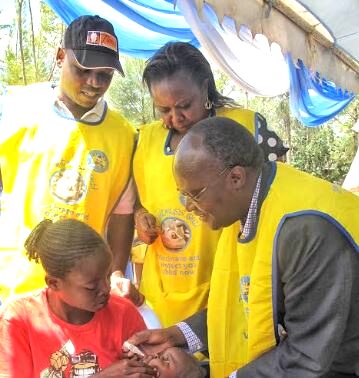
Global efforts to eradicate polio have achieved remarkable success, with annual cases dropping from nearly 1,000 infections per day several decades ago to only 35 reported cases annually worldwide, according to Rotary International.
The humanitarian organisation says sustained international collaboration between governments, health agencies, and development partners has brought the world closer than ever to eliminating the highly infectious disease.
Rotary International President elect Yinka Babalola said the world was now at the final stage of eliminating polio completely.
“We made a promise to the world that we would eradicate polio,” said Mr Yinka Babalola.
“When we began this campaign, the disease was paralysing and killing nearly 1,000 children every day across 125 countries. Today, it remains endemic only in Pakistan and Afghanistan,” he added.
According to Rotary International, Pakistan and Afghanistan are currently the only countries still reporting endemic cases of polio, while Africa was officially certified polio free in 2020 following years of aggressive vaccination campaigns and disease surveillance.
Speaking at the Naivasha Country Club, Mr Yinka Babalola expressed optimism that the disease could be fully eradicated within the next year if countries continue supporting immunisation programmes and maintaining strong surveillance systems.
“Soon, the poliovirus will exist only in laboratories and history books, but we must continue immunising our children and strengthening surveillance efforts,” he said.
Warning against complacency
He warned that despite the progress achieved, the disease still poses a serious threat if countries become complacent or reduce vaccination coverage.
Health experts have consistently cautioned that conflict, weak health systems, and gaps in immunisation remain major obstacles to complete eradication in some parts of the world.
The Global Polio Eradication Initiative, launched in 1988 with support from the World Health Organization, UNICEF, and Rotary International among other partners, has reduced global polio infections by more than 99 percent over the past three decades.
Mr Yinka Babalola noted that Rotary International continues to mobilize financial and technical support to ensure the world achieves total eradication of the disease.
“Polio eradication remains Rotary’s number one external initiative because we believe no child should suffer from a preventable disease,” he said.
Digital laboratory project
At the same event, Rotary International also announced support for a digital laboratory project at Mirera Primary School in Naivasha aimed at improving learners’ access to technology and digital skills.
The school, which has more than 4,000 pupils and is among the largest public primary schools in the country, has been struggling with shortages of teachers, learning materials, and other educational resources.
Mr Yinka Babalola said the digital laboratory would expose learners to modern technological skills necessary for the future job market.
“There will be generations of students passing through this school who will acquire digital skills that could have a lasting impact on their futures,” he said.
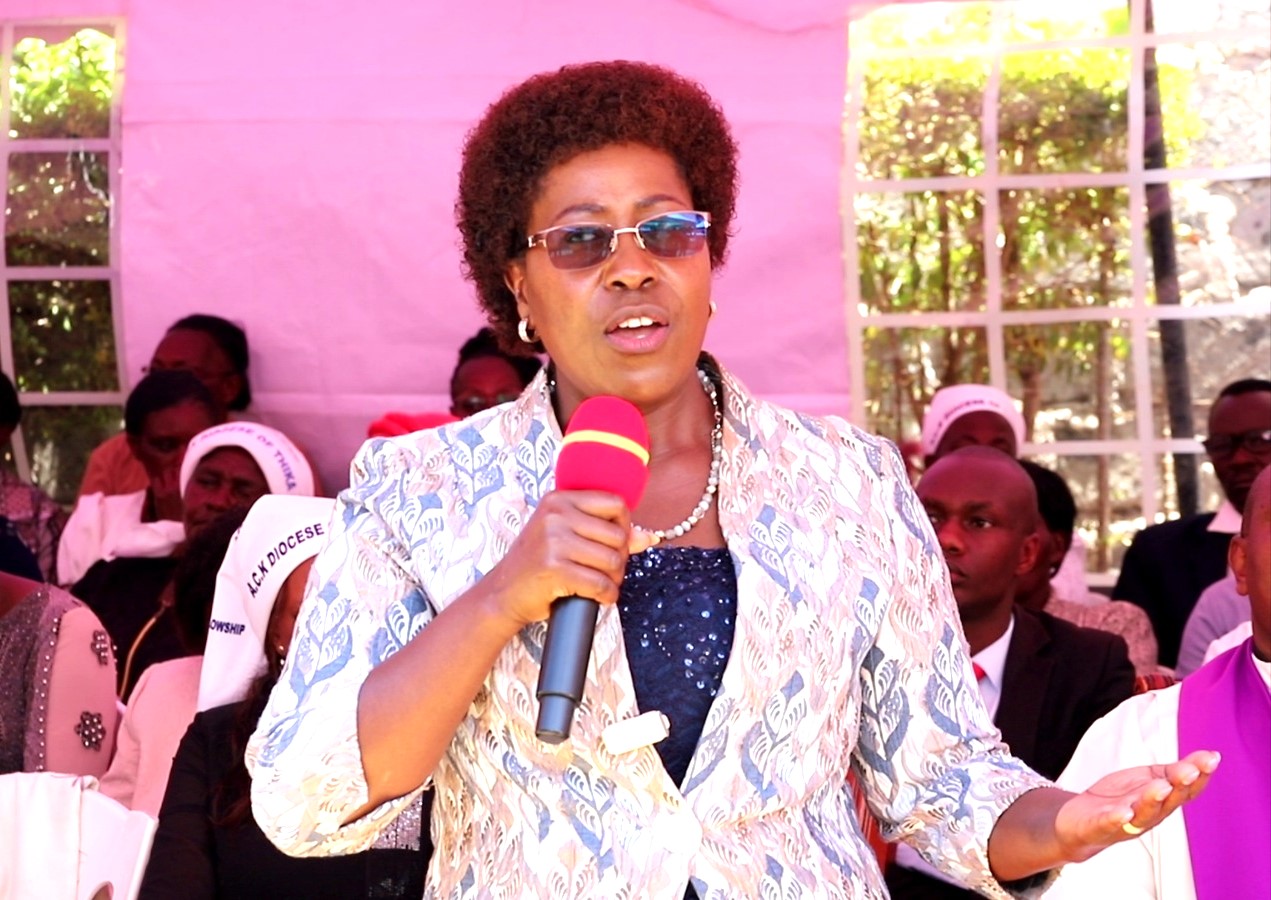
Rotary District Governor Wairimu Njagi, who oversees Rotary activities in Kenya, Ethiopia, South Sudan, and Eritrea, said the organisation had invested more than Sh5 million in establishing the facility.
She explained that the laboratory has been equipped with modern computers and networking systems to support digital learning among pupils.
“We look forward to partnering with the local Rotary Club to establish an additional digital laboratory at the school over time,” said Ms Wairimu Njagi.
Support for vulnerable schools
She observed that the school, located within one of Naivasha’s largest informal settlements, continues to face numerous challenges, including inadequate access to books, clean water, and sufficient learning facilities.
“Despite the progress made, there is still a huge need for support in schools serving vulnerable communities because many learners lack access to basic educational resources,” she added.
Education stakeholders who attended the event welcomed the initiative, saying digital literacy is becoming increasingly important in preparing learners for the modern economy.
Local leaders also praised Rotary International for combining public health initiatives with education support programmes aimed at improving the lives of vulnerable children and communities.
READ ALSO: MoE leads Madaraka Day planning as Wajir prepares for historic 10,000-capacity stadium event
The meeting highlighted the growing role of partnerships between humanitarian organisations, governments, and local communities in addressing global health challenges and expanding educational
By Kimutai Langat
You can also follow our social media pages on Twitter: Education News KE and Facebook: Education News Newspaper for timely updates.
>>> Click here to stay up-to-date with trending regional stories
>>> Click here to read more informed opinions on the country’s education landscape