- MPs are reviewing Auditor‑General’s reports from 2018/19 to 2024/25, warning that accounting officers will be held personally responsible for misuse of public funds.
- Legislators stress that increased funding for universities and TVETs must go hand in hand with stronger financial discipline, transparency and governance to ensure public resources deliver value to learners and the nation.
Kenya’s public universities, technical and vocational education and training (TVET) institutions and state education agencies are facing intensified parliamentary scrutiny after MPs launched an extensive review of Auditor-General’s reports, warning that accounting officers who fail to account for public resources will be held personally responsible.
The National Assembly’s Public Investments Committee on Governance and Education (PIC-G&E) has begun examining audit reports covering the 2018/19 to 2024/25 financial years, a move that signals Parliament’s renewed determination to strengthen financial accountability and restore integrity in the management of public institutions.
The review comes at a pivotal moment for the education sector, which continues to grapple with mounting financial pressures, widening budget deficits, delayed government disbursements, rising operational costs, increasing student enrolment and growing public concern over the prudent use of taxpayers’ money.
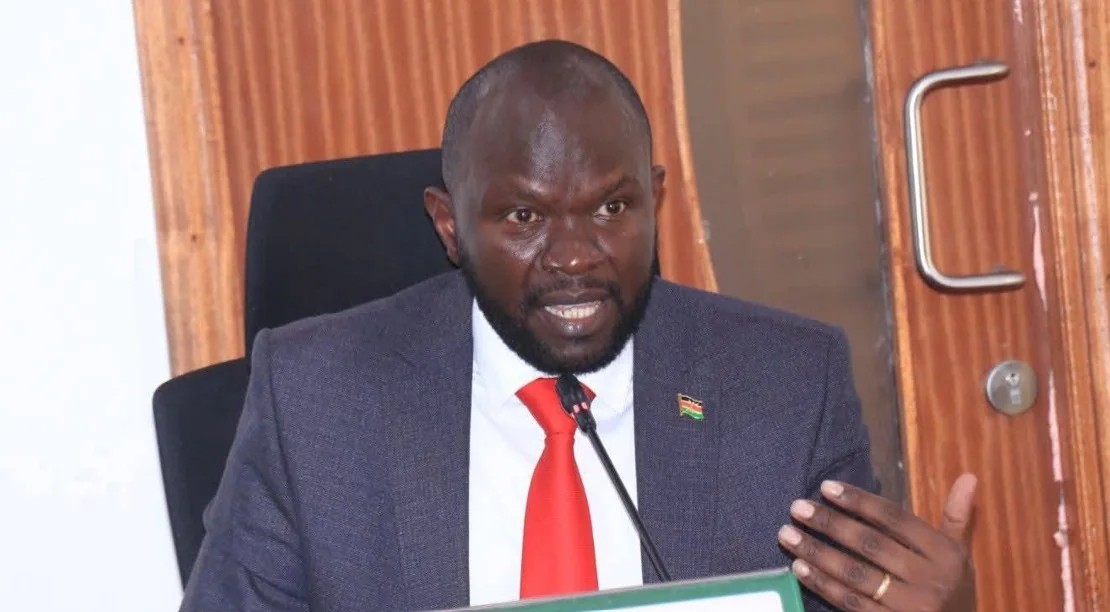
Committee Chairperson and Luanda MP Dick Maungu underscored the critical role played by the Auditor-General in safeguarding public resources, saying audit reports exist to promote transparency, accountability and prudent financial management across government institutions. He explained that the reports give Parliament an independent assessment of whether public funds have been used legally, efficiently and for their intended purposes, while flagging weaknesses that require immediate corrective action.
“The Auditor-General’s reports are not prepared in vain. They are meant to demonstrate whether public funds have been properly utilised. Where there are gaps, they must be explained and corrective measures taken,” Maungu said.
He warned that institutions appearing before the committee must provide complete, accurate and well-supported responses to every audit query, cautioning that unexplained expenditure, procurement irregularities, unsupported payments and weaknesses in financial controls would not be overlooked. Maungu added that Parliament remains committed to protecting public resources through rigorous oversight and ensuring that recommendations contained in audit reports are fully implemented.
ALSO READ:
Parliament gives Theology Colleges 90 days to comply or face shutdown
Several institutions have already appeared before the committee, and their financial records are under scrutiny to establish whether they complied with the Public Finance Management Act, procurement laws, accounting standards and other statutory requirements governing the use of public funds, with accounting officers directed to submit comprehensive explanations and supporting documentation for all issues raised by the Auditor-General over the seven-year review period.
Kasipul MP Boyd Were echoed the committee’s concerns, warning accounting officers against treating audit matters casually and stressing that institutions entrusted with public resources carry both a legal and moral obligation to demonstrate transparency and accountability in every financial decision they make. He said prompt and satisfactory responses to audit findings not only strengthen public confidence but also reinforce the credibility of public institutions and improve service delivery.
“The Committee expects full cooperation from all accounting officers. Audit queries should be addressed comprehensively because accountability is at the heart of good governance,” Were said, with legislators reiterating that Parliament will continue exercising its constitutional oversight mandate to ensure education institutions uphold the highest standards of financial management and governance.
The audit review comes as Kenya’s higher education sector seeks greater financial support to address longstanding challenges affecting universities and TVET institutions, with education stakeholders consistently calling for increased funding to improve infrastructure, recruit academic staff, strengthen research capacity, modernise learning facilities and enhance the quality of teaching and innovation. MPs, however, insist that increased investment must go hand in hand with stronger financial discipline, sound governance and responsible stewardship of public resources.
The ongoing exercise is expected not only to uncover financial weaknesses but also to drive institutional reforms, strengthen transparency and ensure that public funds allocated to education deliver meaningful value to learners and the nation. As the committee continues examining audit reports from institutions across the education sector, accounting officers remain under mounting pressure to demonstrate prudent financial management, comply fully with the law and uphold the highest standards of integrity in managing resources entrusted to them by Kenyan taxpayers.
By Hillary Muhalya
You can also follow our social media pages on Twitter: Education News KE and Facebook: Education News Newspaper for timely updates.
>>> Click here to stay up-to-date with trending regional stories
>>> Click here to read more informed opinions on the country’s education landscape