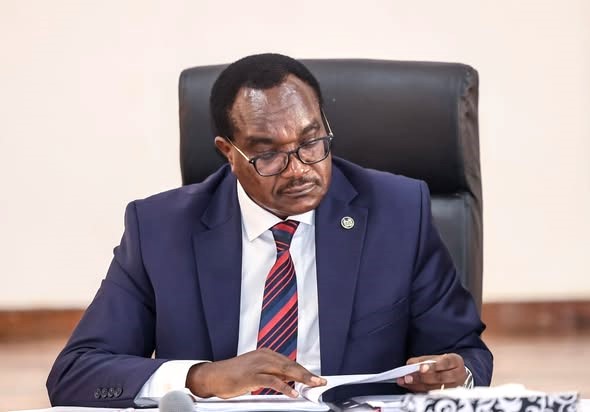
- Education Cabinet Secretary Julius Ogamba has declined to confirm or deny reports of a possible school fees review.
- Parents and education stakeholders are calling for clarity to enable households to plan financially.
- The Government says education remains a top priority, with nearly 30 per cent of the national budget allocated to the sector.
Education Cabinet Secretary Julius Ogamba has declined to give a definitive answer on whether the Government intends to review school fees, leaving parents and education stakeholders awaiting clarity at a time of rising economic pressure.
Speaking during a recent public engagement, Ogamba neither confirmed nor dismissed reports that school fees could be increased.
Instead, he emphasised the Government’s continued commitment to education, noting that nearly 30 per cent of the national budget has been allocated to the sector, making education one of the country’s highest-funded priorities.
The Cabinet Secretary’s remarks come as many households continue to struggle with the rising cost of living.
With families already grappling with higher food prices, transport costs and other essential household expenses, uncertainty over school fees has become a major concern for parents preparing for future school terms.
Although Ogamba reiterated that the Government remains focused on strengthening the education sector through sustained public investment, he did not directly address whether school fees would be reviewed.
His response has intensified public debate, with many Kenyans urging the Ministry of Education to communicate a clear policy position.
Parents’ associations argue that early communication would enable families to plan financially, particularly those with children in boarding schools where education costs are significantly higher.
Schools face mounting costs
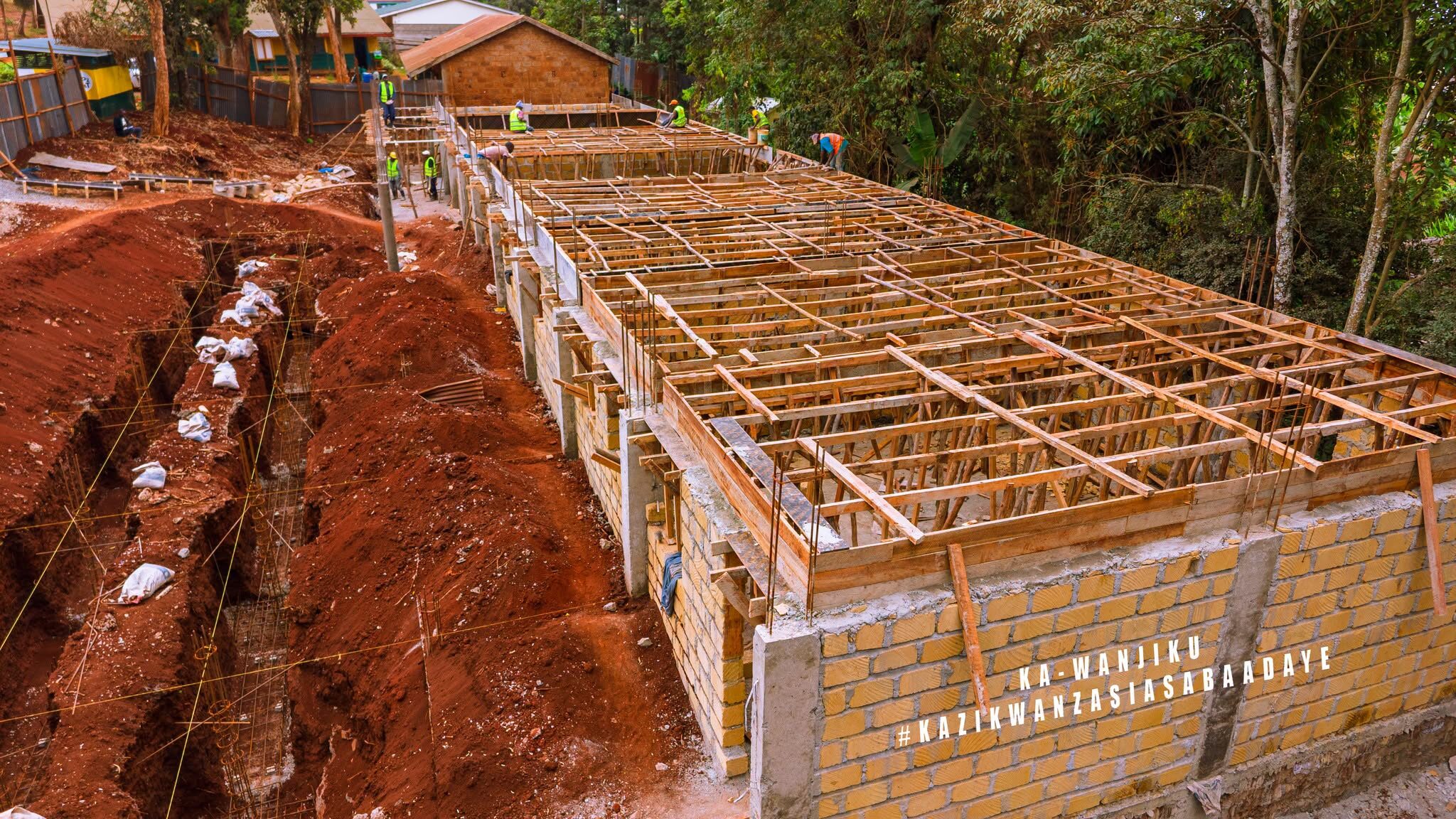
Education stakeholders note that while increased Government funding is welcome, schools continue to face growing operational challenges.
Rising prices of goods and services, expanding infrastructure needs, implementation of Competency-Based Education (CBE) and shortages of teaching and learning resources have significantly increased the cost of operating schools.
School administrators say these realities have inevitably fuelled discussions about the long-term sustainability of the current education financing model.
Some stakeholders remain optimistic that the increased education budget will be used to improve infrastructure, recruit additional teachers, expand learning resources and reduce the financial burden on parents rather than introduce new fees.
The Government has consistently maintained that education remains central to Kenya’s social and economic transformation.
Increased investment is expected to improve access, equity and the quality of education while supporting reforms across basic and higher education.
However, questions remain regarding how the additional funding will be distributed and whether it will adequately address schools’ growing financial demands without shifting more costs to parents.
Ogamba’s remarks, later shared on his official Facebook page, have generated widespread discussion across social media.
READ ALSO: Stakeholders back Engineering Technology Rules 2026, push for fee cuts and flexible licensing
Parents, school leaders and education experts are now awaiting a definitive policy statement from the Ministry of Education that could determine the future cost of education for millions of Kenyan learners.
By Hillary Muhalya
You can also follow our social media pages on Twitter: Education News KE and Facebook: Education News Newspaper for timely updates.
>>> Click here to stay up-to-date with trending regional stories
>>> Click here to read more informed opinions on the country’s education landscape