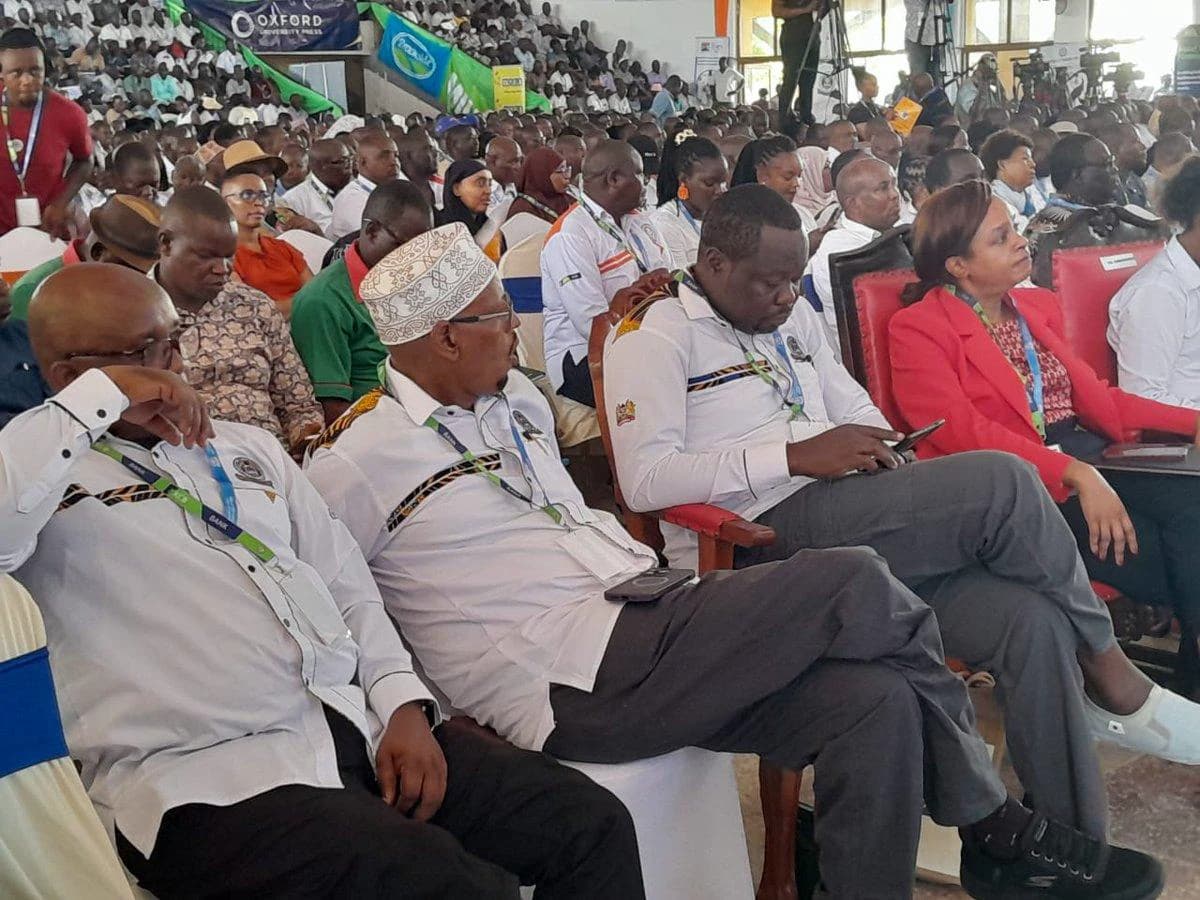






The annual Kenya Comprehensive Schools Heads Association (KECSHA) National Conference is more than just a gathering of school administrators. It is an important professional platform where headteachers come together to exchange ideas, reflect on emerging education reforms, address leadership challenges and shape conversations about the future of education in Kenya.
As the country continues implementing Competency-Based Education (CBE), integrating Junior Schools into comprehensive school structures and undertaking other far-reaching reforms, attending the KECSHA conference should be a priority for every headteacher.
1. Understanding emerging education reforms
Kenya's education landscape is changing rapidly. The transition to CBE, the establishment of comprehensive schools and changes in curriculum implementation require school leaders to remain informed.
The conference provides an opportunity to interact with education policymakers and stakeholders, understand emerging policy directions and seek clarification on issues affecting school administration.
2. Addressing the comprehensive school question
One of the major issues facing primary school headteachers is the transition to comprehensive school management.
The integration of Junior Schools has expanded the responsibilities of primary school administrators, raising questions about administrative structures, professional recognition, job grading and career progression.
The KECSHA conference provides an important platform for headteachers to collectively articulate their concerns and seek clarity on the future of comprehensive school leadership.
3. Professional networking and experience sharing
School leadership can sometimes be a lonely responsibility. Headteachers encounter similar challenges but may lack opportunities to share practical solutions.
The conference brings together school administrators from different counties and educational backgrounds.
Through professional interactions, participants can exchange experiences on school management, learner discipline, financial accountability, staff supervision, infrastructure development and curriculum implementation.
4. Learning from education experts
The conference provides an opportunity to interact with education experts, policymakers, researchers and representatives of key education institutions.
Such engagements expose school leaders to new approaches to institutional management, instructional leadership and educational development.
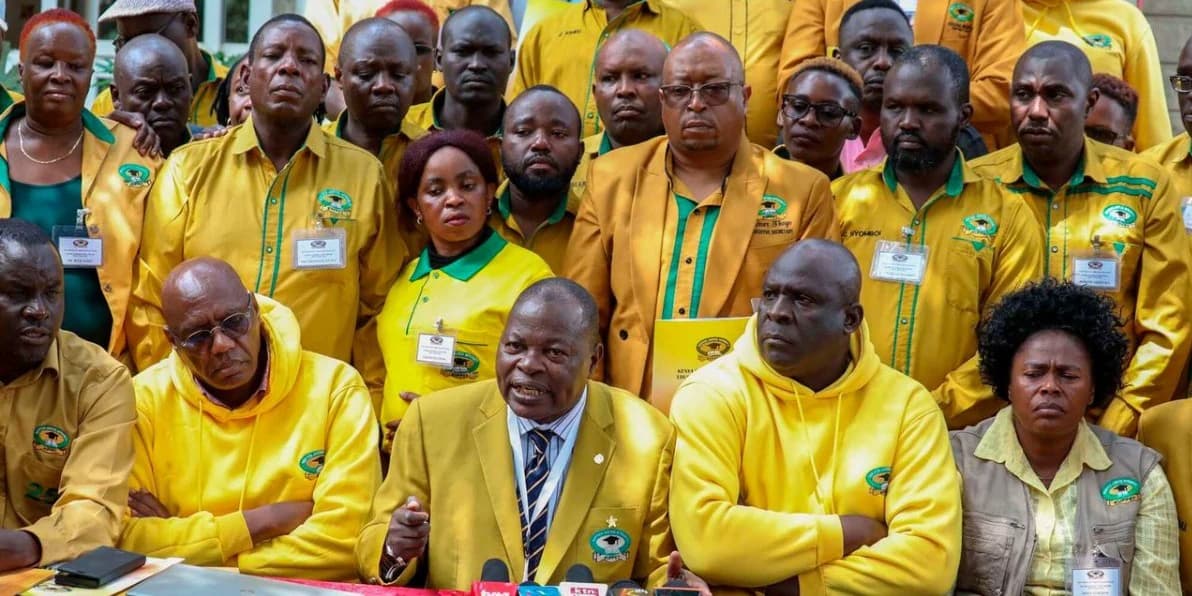
5. Strengthening the voice of headteachers
There is strength in numbers.
When headteachers come together under a common professional association, they have an opportunity to articulate shared concerns and contribute to discussions affecting their profession.
Issues such as promotions, administrative responsibilities, teacher welfare, capitation, staffing and professional recognition require collective engagement.
6. Preparing for the future of school leadership
The responsibilities of school administrators continue to expand. Modern school leadership requires more than administrative experience.
Headteachers must understand financial management, human resource management, digital transformation, institutional governance and strategic planning.
Attending professional conferences helps school leaders remain adaptable and better prepared to manage changing educational environments.
7. Promoting professional unity
KECSHA provides a common professional space for school heads to interact, deliberate and strengthen their collective identity.
The conference offers an opportunity to appreciate the challenges facing colleagues in different regions while identifying issues that require coordinated professional engagement.
8. Contributing to the future of Kenyan education
The future of education cannot be left entirely to policymakers. Those implementing education policies at the school level must also have an opportunity to contribute their experiences and recommendations.
Headteachers are at the centre of curriculum implementation and institutional management. Their voices therefore matter in shaping practical and sustainable education policies.
Conclusion: Your presence matters
The KECSHA National Conference should not be viewed merely as an annual social gathering or an opportunity to travel to Mombasa.
It is a professional investment in knowledge, leadership development, networking and collective advocacy.
At a time when the education sector is experiencing significant changes, headteachers need to remain informed, connected and actively involved in discussions affecting their profession.
Every headteacher has a stake in the future of comprehensive schools, professional recognition and the quality of education delivered to Kenyan learners.
You cannot afford to be absent when decisions, discussions and resolutions shaping the future of your profession are taking place.
Make your way to Mombasa. Participate, engage, learn, network and contribute.
KECSHA 2026: Your profession, your institution, your voice and your future!


Reader Discussion (0)
Sign in to comment