


Millions of Kenyan workers could soon receive a financial reprieve under a proposed tax relief plan announced by President William Ruto, which seeks to exempt employees earning Sh32,333 or less per month from Pay As You Earn (PAYE) income tax.
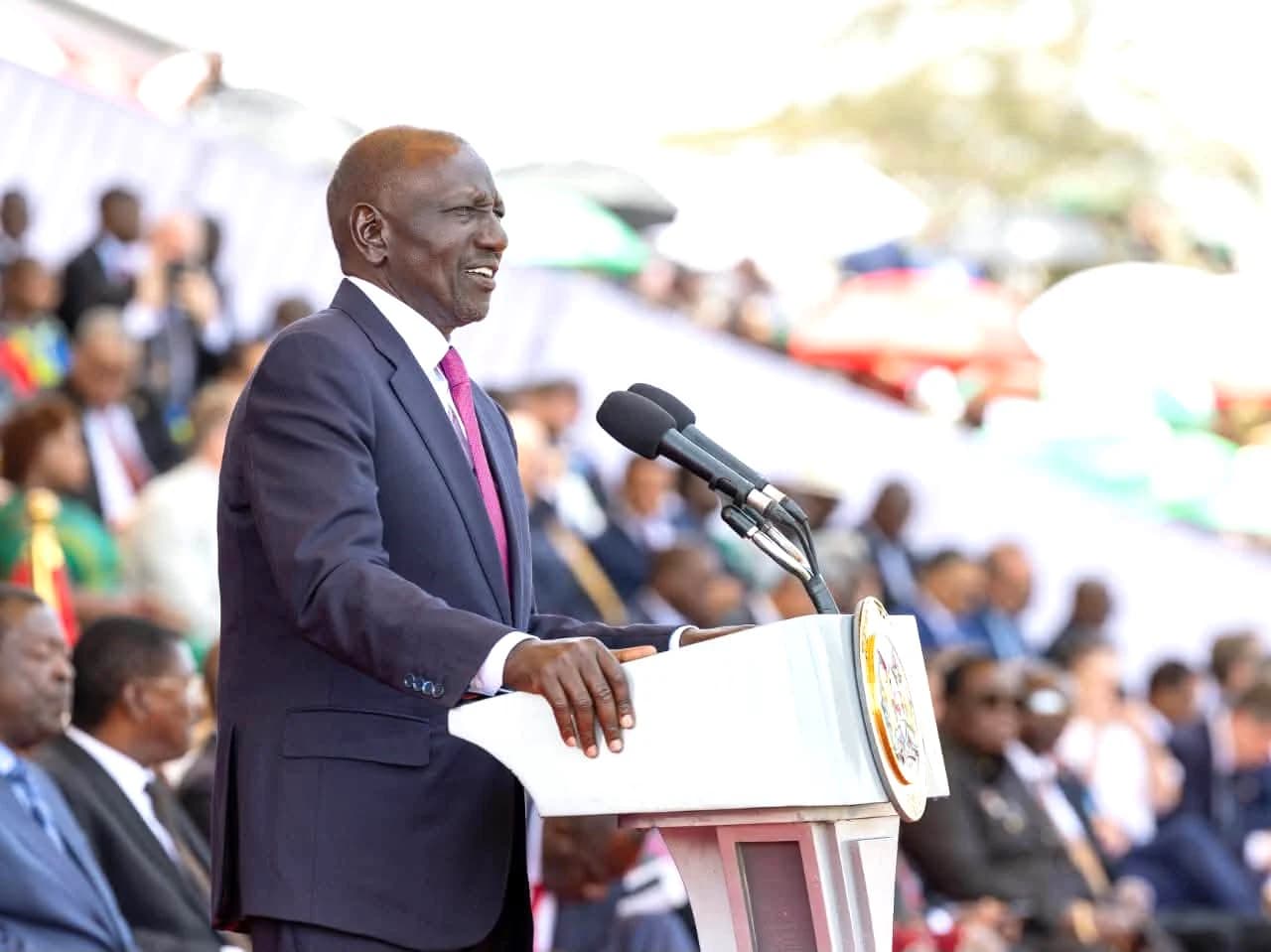
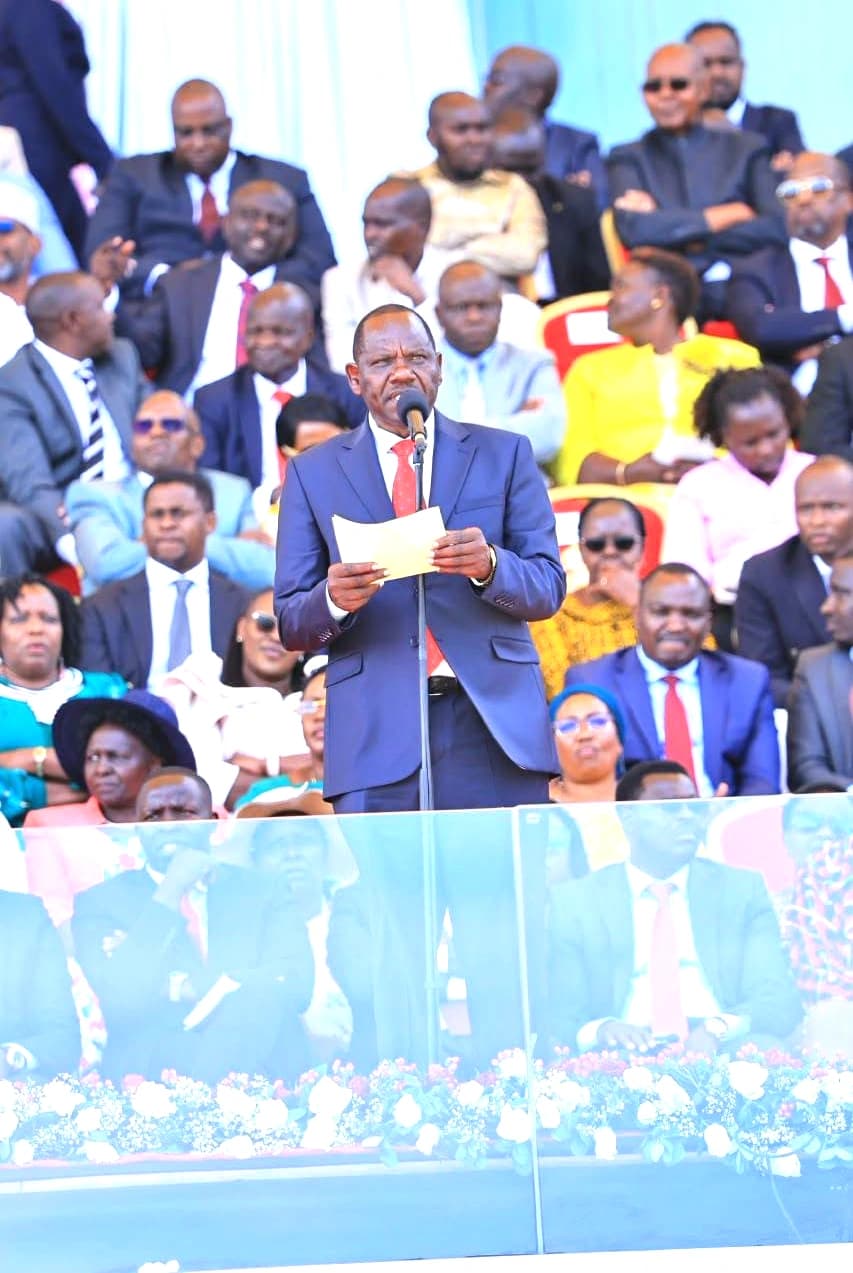
The proposal, unveiled during the 2026 Mashujaa Day celebrations at Kipchoge Keino Stadium in Eldoret, Uasin Gishu County, on Tuesday, October 20, could increase the take-home pay of low-income earners struggling to meet household expenses amid persistent concerns over the cost of living.
Ruto said the government was preparing measures to ease the financial burden on ordinary Kenyans, particularly workers whose salaries are stretched by the rising costs of food, transport, education and other essential services.
“For workers on modest incomes, every shilling saved means more money for food, transport, school expenses and the needs of their families,” the President stated.
Under the proposed arrangement, employees earning Sh32,333 or less monthly would be exempted from PAYE if the necessary legislative changes are approved.
The measure is intended to allow workers in the lower-income bracket to retain a larger share of their earnings rather than surrender part of their salaries through income tax deductions.
For households operating on tight budgets, even a modest reduction in statutory deductions could provide additional money for rent, food, school fees, transport and other recurring expenses.
However, the actual benefit would depend on the final legislation, the applicable tax rules and each employee's individual circumstances.
The proposal is not yet in force. Workers will have to wait for the legislative process to be completed before any changes can be implemented.
National Treasury to present proposals to Parliament
Ruto said the National Treasury would present the proposed measures to Parliament beginning next week for consideration.
The proposals will therefore require the relevant legislative approvals before they can become law.
Until the process is completed and implementation arrangements are announced, employees should continue to expect PAYE deductions under the existing tax framework.
The announcement is likely to attract close scrutiny from workers, employers, tax experts and business organisations, particularly over how the exemption would be structured and the potential implications for government revenue.
Land transactions and mobile phone prices in focus
The President also announced plans to reduce the cost of selected land transactions by exempting qualifying transactions involving land valued at Sh1 million or less from stamp duty.
If approved, the measure could lower transaction costs for eligible buyers and make certain property transfers more affordable.
The government also intends to pursue the removal of the 25 per cent import duty on mobile phones, a move that could reduce acquisition costs if the proposed changes are approved and the savings are passed on to consumers.
The impact on retail prices would, however, depend on the final tax measures, other applicable charges and how importers and retailers adjust their prices.
50,000 graduates to benefit from internship plan
In another announcement, Ruto outlined plans to expand the National Internship Programme to accommodate an additional 50,000 graduates beginning January 2027.
The proposed expansion targets young Kenyans seeking workplace experience and opportunities to transition from education into employment.
If implemented as announced, the programme could provide more graduates with opportunities to develop professional skills and gain practical experience in their respective fields.
The initiative comes amid continuing concerns about youth unemployment and the difficulties faced by graduates seeking their first jobs in an increasingly competitive labour market.
Workers await implementation
The proposed PAYE exemption, stamp duty relief, mobile phone tax measures and expanded internship programme form part of a wider package of interventions the President says are intended to ease financial pressures and widen economic opportunities.
For low-income workers, however, the immediate question is when the proposed tax relief will take effect and how much additional income they would retain after the relevant changes are implemented.
While the announcement has raised expectations of relief, its practical impact will depend on Parliament's decisions, the final terms of the proposals and the government's implementation framework.
For now, the proposed exemption remains a policy announcement rather than an operational change to the PAYE system.



Reader Discussion (0)
Sign in to comment