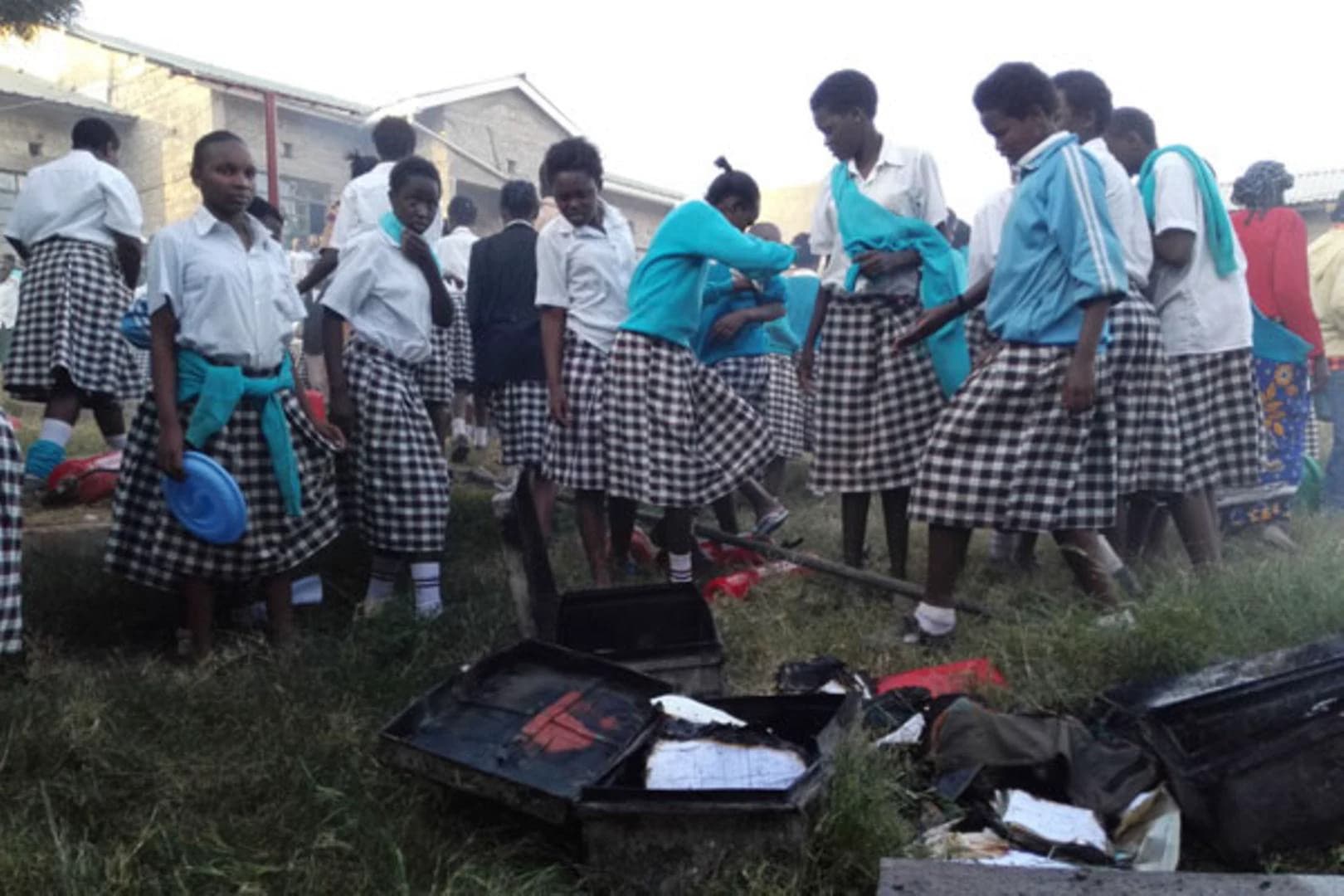

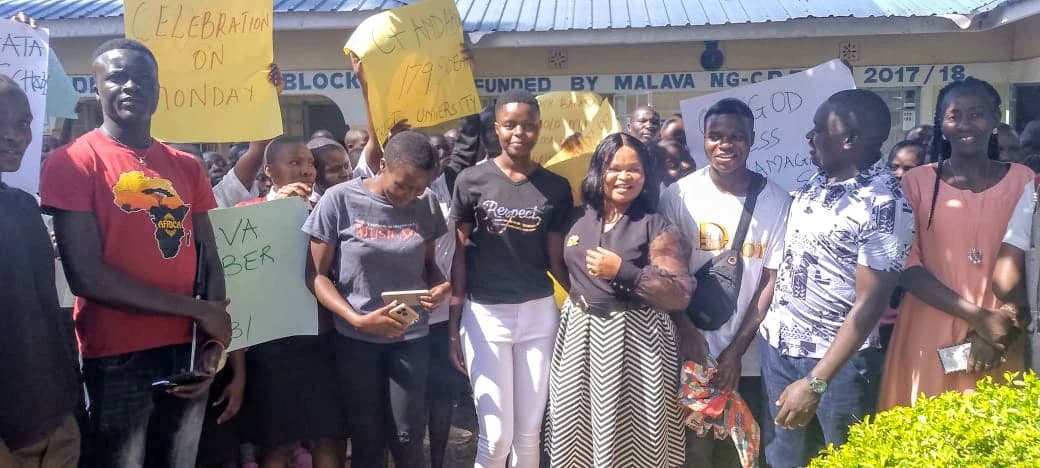
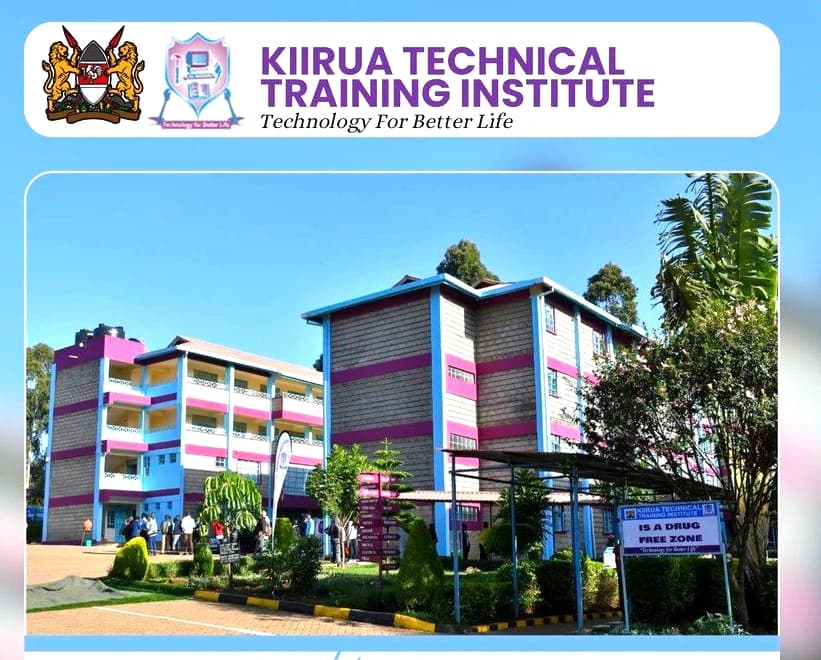
President William Ruto has announced plans to introduce changes to Kenya's higher education funding system from January 2027, promising that no student in a university, technical and vocational education and training (TVET) institution or Kenya Medical Training College (KMTC) will be sent home over unpaid fees.
The President said he had sent legislation to Parliament to establish a new legal framework for financing higher education, with the aim of ensuring that students continue learning regardless of their parents' financial circumstances.
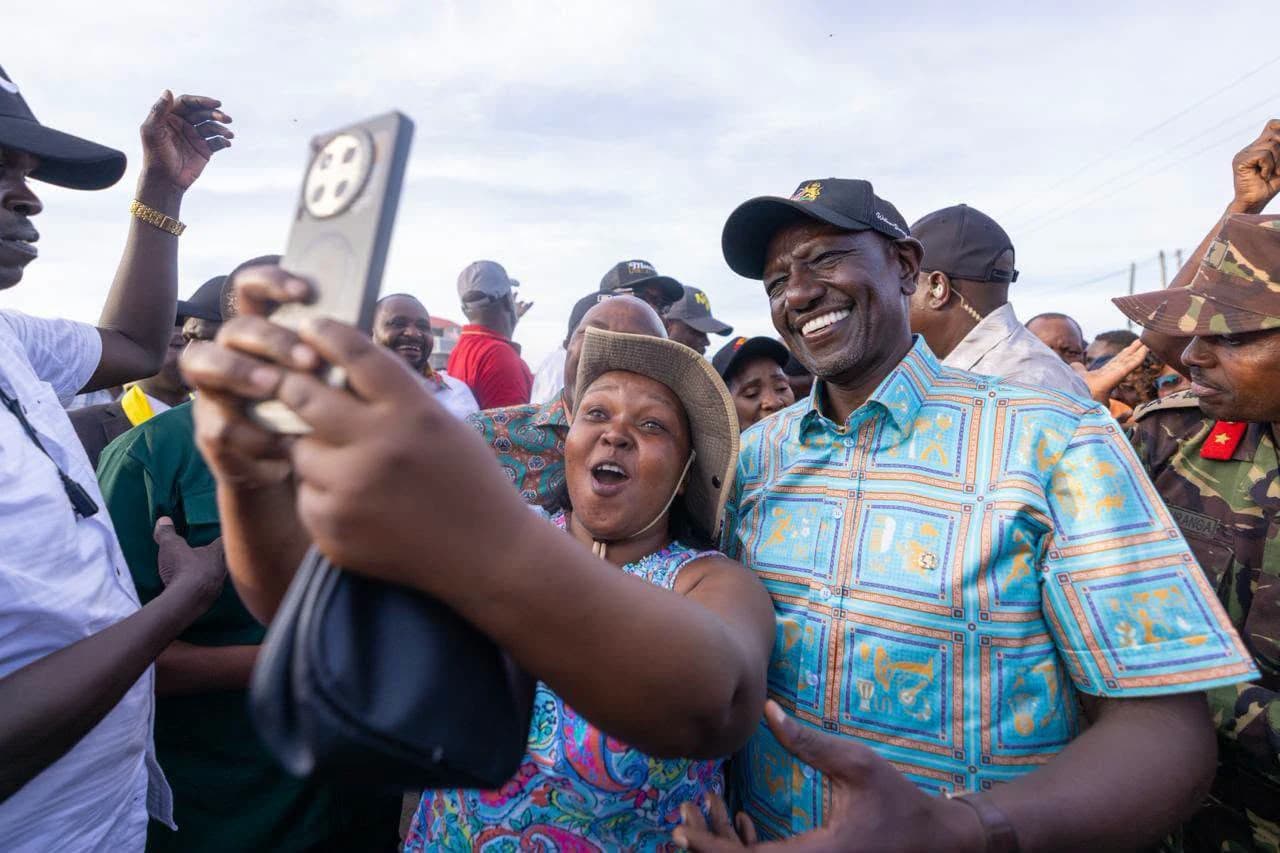
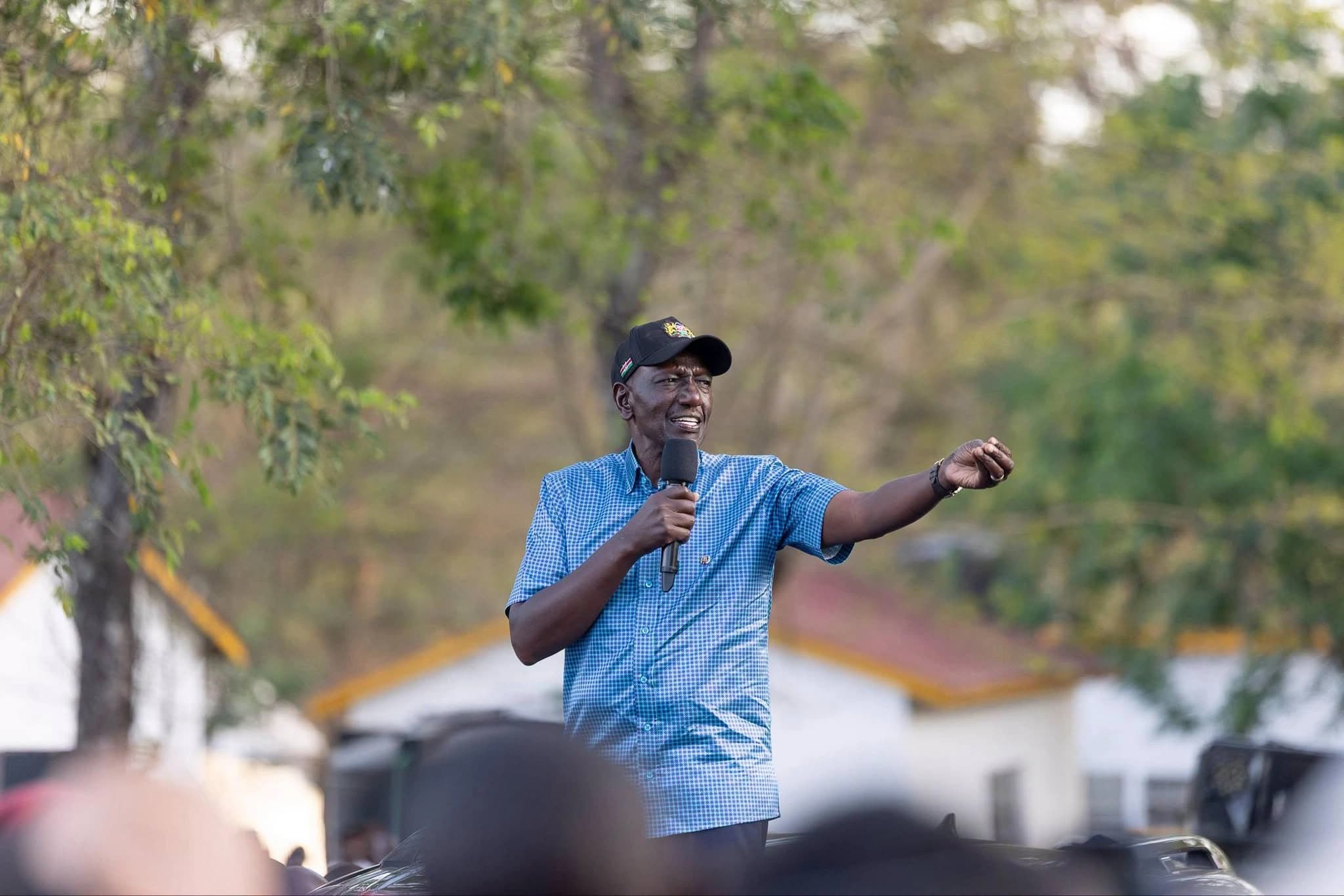
Speaking in Kitui during the launch of the Twimiwa-Tseikuru-Usweni Road, Ruto maintained that education must remain accessible to all Kenyans and should not be determined by family income.
“Education is the ultimate equalizer that puts every Kenyan child on an equal footing, whether they come from a wealthy background or a humble home,” he said.
The President argued that students should be given an opportunity to complete their studies based on their academic ability and performance rather than their parents' capacity to meet financial obligations.
Proposed funding reforms await parliamentary approval
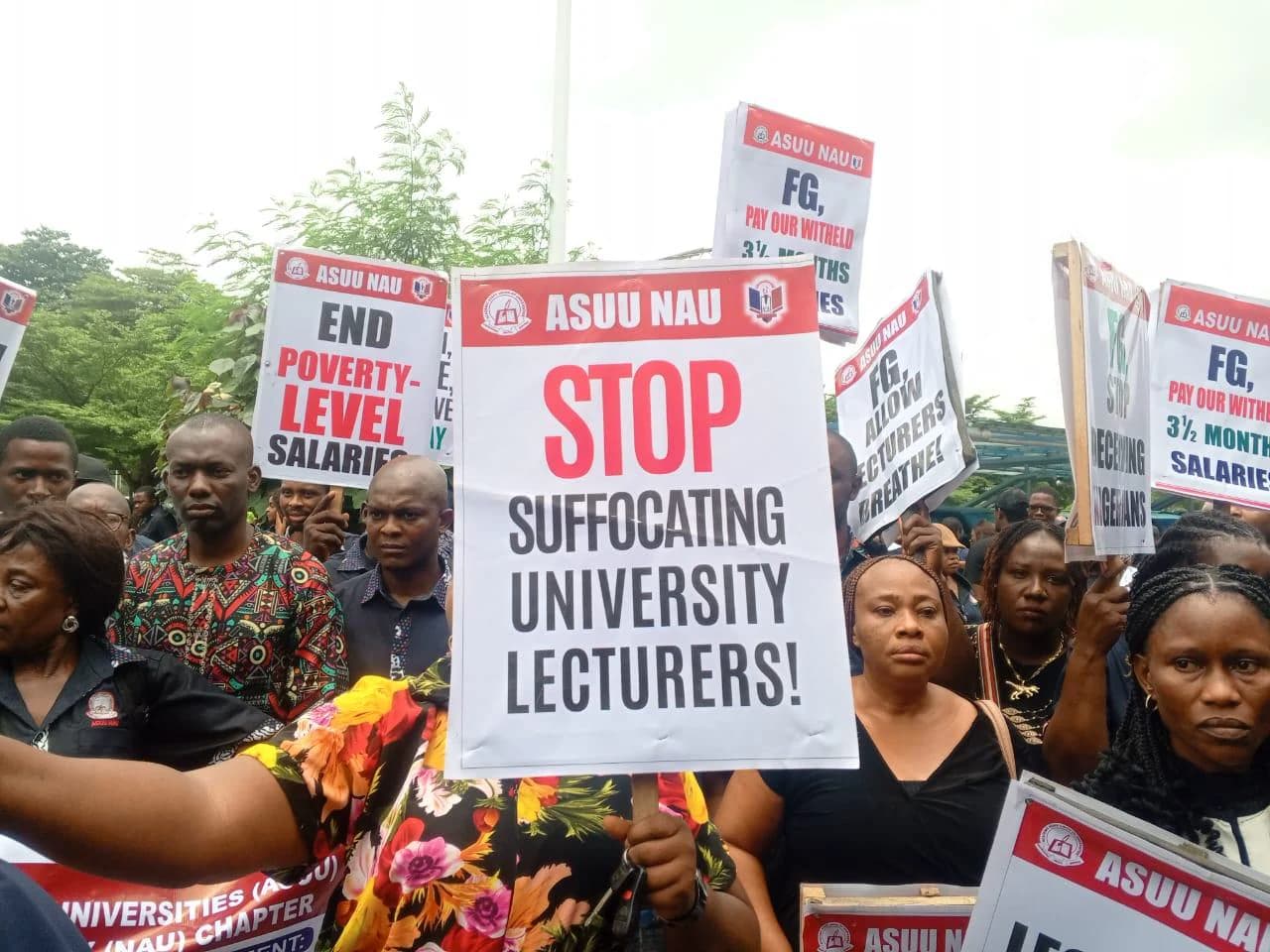
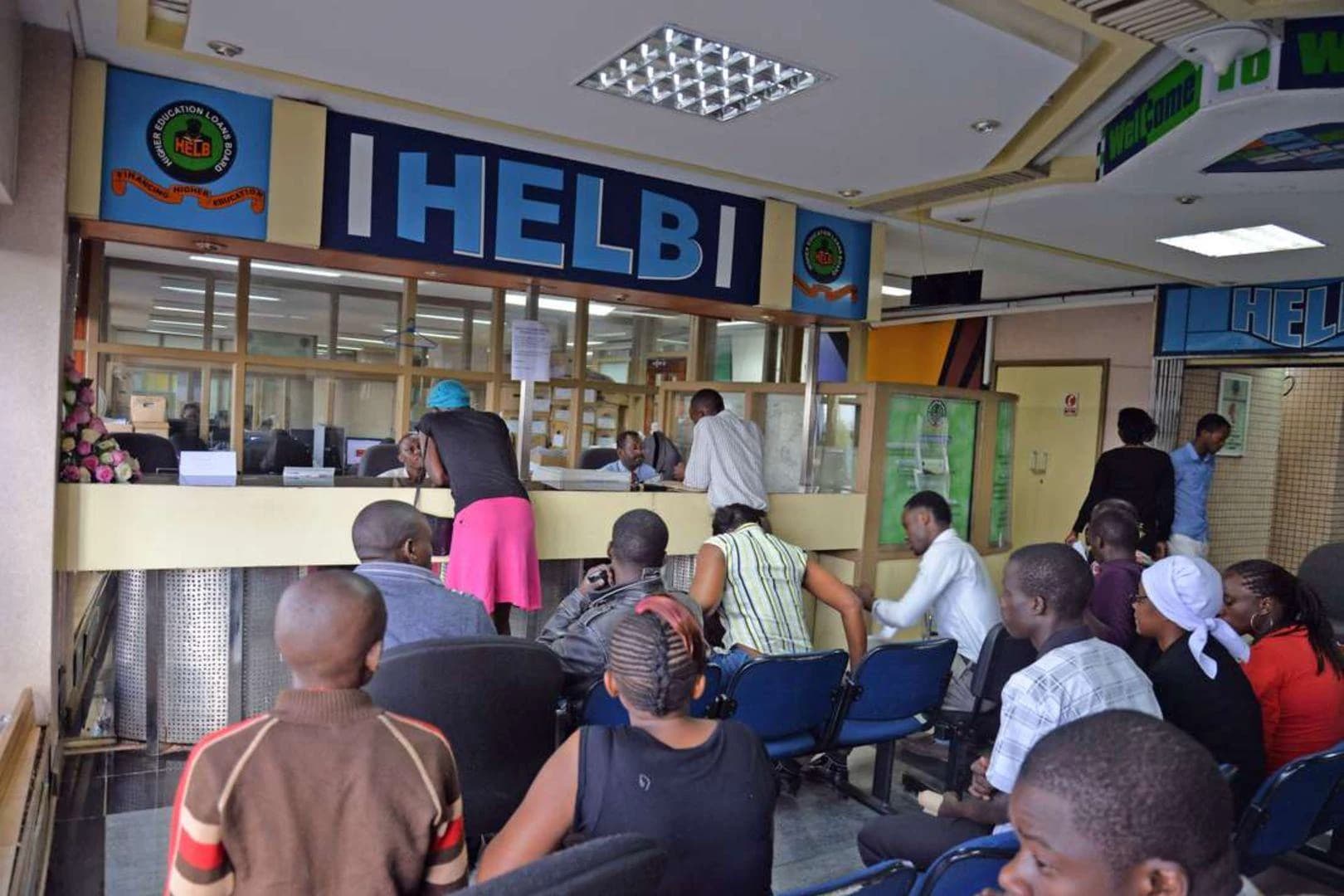
The proposed changes come amid ongoing reforms to higher education financing, following concerns over the affordability of university and college education, the adequacy of student funding and the financial difficulties facing learners from low-income households.
However, the details of the proposed legal framework, including how institutions will recover outstanding fees and how the government will guarantee uninterrupted learning, remain to be established through the legislative process.
The announcement is likely to draw attention from students, parents and university and college administrators seeking clarity on how the new arrangements will operate and whether they will address existing funding gaps.
Ruto defends development agenda during Kitui visit
Beyond education, Ruto used the Kitui visit to defend his administration's development agenda, insisting that public investment should benefit all regions regardless of their political affiliations.
He maintained that residents of Tseikuru deserved the same development opportunities as other Kenyans and dismissed criticism that the promised road would not be completed.
“When I said we would come to build this road, some people told you that Ruto is a liar. But I will put them to shame. Because we are going to build this road,” he said.
The President argued that effective development required proper planning, clear policies and a long-term vision, warning that the absence of these elements could stall national progress.
He also cited infrastructure projects in areas associated with opposition leaders, including a tarmac access road extending towards the home of Wiper Patriotic Front leader Kalonzo Musyoka, as evidence that development should not be influenced by political differences.
During the visit, Ruto launched the 55-kilometre Twimiwa-Tseikuru-Usweni Road in Mwingi North Constituency, describing the Sh5 billion project as a major investment in improving transport and economic activity in the region.
The road is expected to improve connections between farming and pastoralist communities and markets, public services and other economic opportunities.
Ruto said expanding infrastructure into historically underserved areas would help reduce regional disparities and improve livelihoods.
He linked the road projects to his administration's broader development priorities, arguing that investments in infrastructure and education financing were necessary to expand opportunities and ensure that more Kenyans benefited from national resources.
The proposed higher education funding changes, however, will ultimately be judged by their implementation, including whether students can remain in class during financial difficulties and whether universities and colleges receive sufficient funding to sustain teaching and other essential services.

Reader Discussion (0)
Sign in to comment