



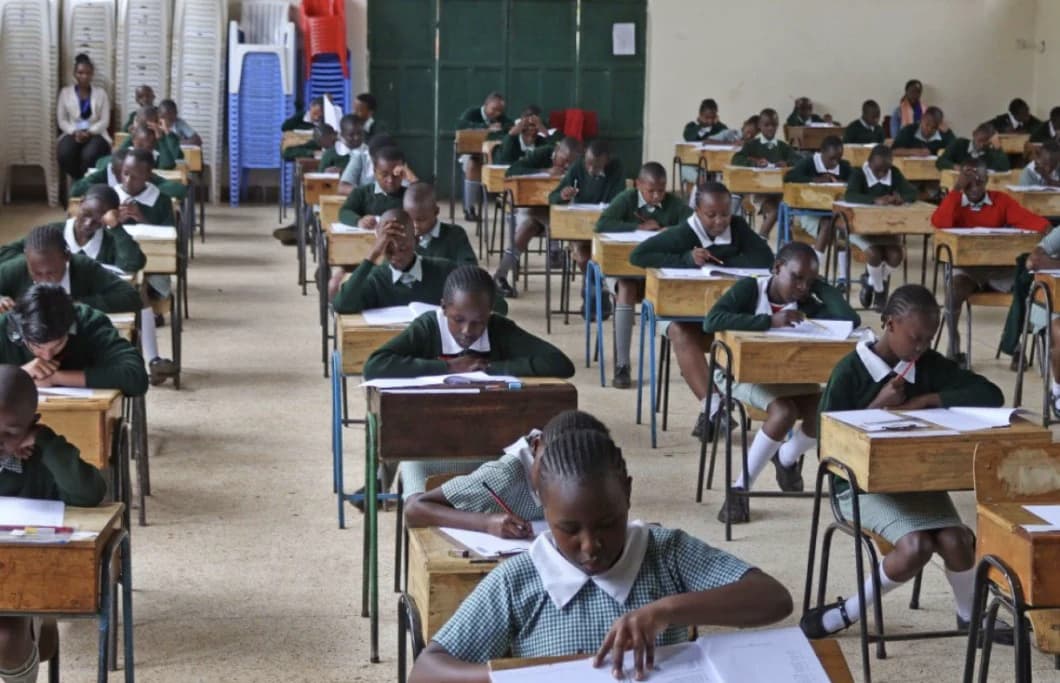



When Junior School was introduced in Kenya in 2023 under the Competency-Based Curriculum (CBC), its placement within existing primary school institutions created an opportunity to strengthen continuity in basic education.
Learners could progress from Grade 6 to Grade 7 within familiar surroundings, while teachers with different experiences could combine their expertise to support learning and development.
Yet an important question remains: Have we built one school, or have we merely placed two sections under one roof?
In some institutions, differences in professional identity, responsibilities and perceptions of recognition may strain relationships between primary and Junior School teachers.
Such tensions should not be assumed to exist everywhere, but where they emerge, they deserve attention because their consequences may extend beyond the staffroom to affect learner welfare and discipline.
An African proverb reminds us that “It takes a village to raise a child.”
Within a school, that village comprises teachers, administrators and other professionals working towards a shared purpose. Their responsibilities may differ, but their commitment to every learner should remain constant.
The staffroom as a model of respect
Professional relationships do not require teachers to be personal friends or agree on every issue. They require courtesy, consultation and a willingness to cooperate.
Where teachers communicate mainly within their own sections, avoid joint discussions or speak dismissively about colleagues, misunderstandings can deepen.
Some may feel that their experience is undervalued, while others may struggle to adjust to new responsibilities and expectations.
These concerns should be addressed through constructive dialogue rather than professional rivalry.
Primary teachers bring valuable experience in foundational learning, classroom management and child development. Junior School teachers contribute subject-specific knowledge and perspectives on the needs of learners entering adolescence.
Sharing these strengths can enrich teaching across the institution.
Psychologist Albert Bandura's social learning theory, outlined in Social Learning Theory (1977), explains how people acquire behaviours by observing others.
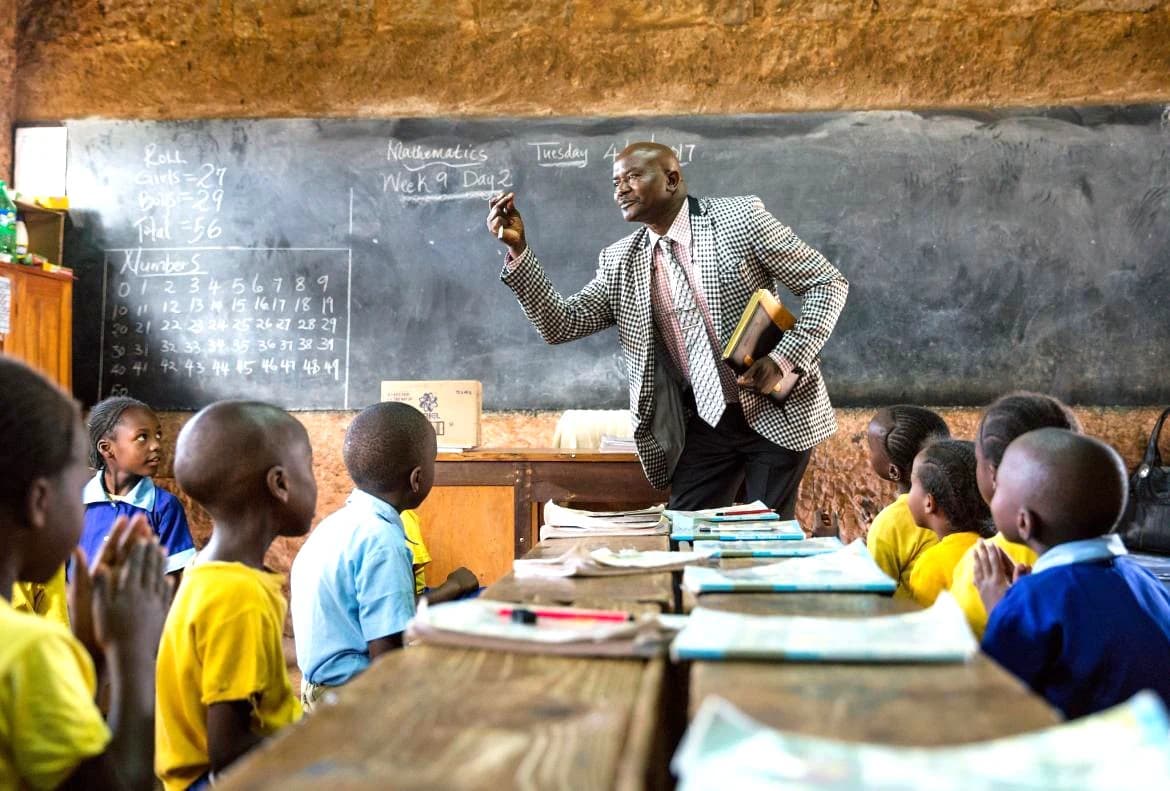
Learners therefore receive lessons from more than textbooks. They also observe how adults communicate, handle disagreements and exercise authority.
When teachers model mutual respect, learners see cooperation in practice. When disagreements become public contests, learners may receive a conflicting message about respect and responsibility.
The staffroom should consequently be a place where professional differences are resolved maturely, not a setting in which learners indirectly become participants in adult disputes.
Consistency in discipline matters
A united teaching team can help learners understand that school rules are fair, clear and consistently applied.
Consider a learner corrected for breaking a school rule who then receives apparently contradictory instructions from another teacher.
The learner may become confused about the expected behaviour or discover an opportunity to avoid accountability.
Such situations can arise over punctuality, uniform, movement around the school, mobile phone use or conduct during assemblies.
Junior School learners may appropriately require different arrangements from younger pupils, but these differences should be deliberate and clearly communicated.
Teachers should therefore agree on essential school-wide expectations while allowing reasonable, age-appropriate flexibility.
Where a learner disputes a disciplinary decision, the matter should be resolved through established procedures rather than through public disagreement between teachers.
Consistency does not mean harshness.
Effective discipline involves clear expectations, fair consequences, listening to learners and helping them develop self-control.
Teachers who cooperate can identify recurring problems early and provide a more coherent response.
Bridging the Grade 6–7 transition
The transition from Grade 6 to Grade 7 is an important stage in a learner's development.
New academic demands, changing peer relationships and the growing desire for independence can create challenges that require thoughtful guidance.
Teachers who have worked with learners in Grade 6 may understand their academic progress, behavioural patterns, strengths and support needs.
Sharing relevant information with receiving teachers can prevent important concerns from being overlooked.
For example, a learner who has repeatedly bullied peers, struggled with attendance or needed emotional support may benefit from a coordinated intervention after promotion.
Without appropriate communication, the receiving teacher may be unaware of previous efforts or the strategies that proved effective.
Schools should therefore organise structured transition meetings and maintain confidential, factual learner-support records.
These should identify educational needs, documented concerns and useful interventions without permanently labelling children or unnecessarily exposing sensitive family information.
The purpose is continuity of care.
Every learner deserves a fresh opportunity to grow, but a fresh opportunity should not mean that relevant support information is lost.
What research tells us
Evidence supports the value of professional support and a positive school climate, although the specific claim that rivalry between primary and Junior School teachers causes indiscipline requires further investigation in Kenyan schools.
A 2024 study by Eva Hammar Chiriac, Camilla Forsberg and Robert Thornberg, published in *Social Psychology of Education*, explored teacher teams and their role in creating a positive school climate.
The research highlighted the importance of shared responsibility, trust and professional support.
A 2026 study by Odhiambo John Okoth, published in the *KEMI Journal of Educational Leadership and Management*, examined mentorship of Junior School teachers in Nairobi.
The study reported improvements in aspects of curriculum interpretation, lesson planning and preparation following structured mentorship.
Although the study focused on teaching competencies rather than staff rivalry or learner discipline, it illustrates the potential value of sustained professional support.
These findings offer a useful lesson: Schools should not leave professional integration to chance.
Collaboration can be strengthened through deliberate structures, mentorship and shared responsibility.
What TSC and the Ministry of Education can do
The Teachers Service Commission (TSC), the Ministry of Education and school leaders all have a role in creating conditions for productive working relationships.
First, joint professional development should be encouraged. School-based workshops can bring primary and Junior School teachers together to discuss learner discipline, adolescent development, conflict resolution, safeguarding and effective communication.
Second, school-wide expectations should be clarified. Schools need coherent behaviour policies, clearly defined responsibilities and agreed procedures for handling misconduct.
Where administrative roles differ, teachers should understand the proper channels for consultation and decision-making.
Third, learner transition procedures should be strengthened. The Ministry should provide practical guidance on sharing relevant information between outgoing and receiving teachers, protecting confidentiality and ensuring continuity of learner support.
Fourth, school leaders should receive support in conflict management. TSC can strengthen leadership development in mediation, team building and professional accountability.
Genuine concerns about deployment, workload, recognition and working conditions should be heard and addressed through appropriate channels.
Finally, quality assurance should promote improvement.
Education officers should examine whether schools have functional transition arrangements, coordinated learner-welfare structures and opportunities for joint professional engagement.
The objective should be to identify gaps, provide guidance and strengthen practice.
At school level, leaders can begin by convening joint staff meetings, arranging shared duty schedules where appropriate and establishing collaborative learner-welfare teams.
Teachers should resolve disagreements professionally and avoid involving learners in disputes between adults.
One institution, one shared responsibility
The integration of Junior School offers an opportunity to build a more connected education system.
Realising that opportunity requires more than shared buildings and common administrative arrangements; it requires a culture of trust, communication and collective responsibility.
Primary and Junior School teachers need not have identical roles or approaches. They must, however, recognise that the learner moving from Grade 6 to Grade 7 remains part of the same educational journey.
As the proverb reminds us, “If you want to go far, go together.”
Teachers who share knowledge, respect one another's contributions and coordinate disciplinary responses give learners a stronger foundation for responsible behaviour.
We cannot expect learners to practise respect consistently if the adults guiding them fail to demonstrate it.
One school should mean one community of care, working together to ensure that every learner is guided, supported and held accountable fairly.
The task before teachers, school leaders, TSC and the Ministry of Education is not to eliminate professional differences, but to manage them constructively.
When collaboration becomes a daily practice rather than a policy declaration, institutional integration can translate into a more supportive learning environment and stronger learner discipline.
Email: jackiekebongo@gmail.com
Reader Discussion (0)
Sign in to comment