
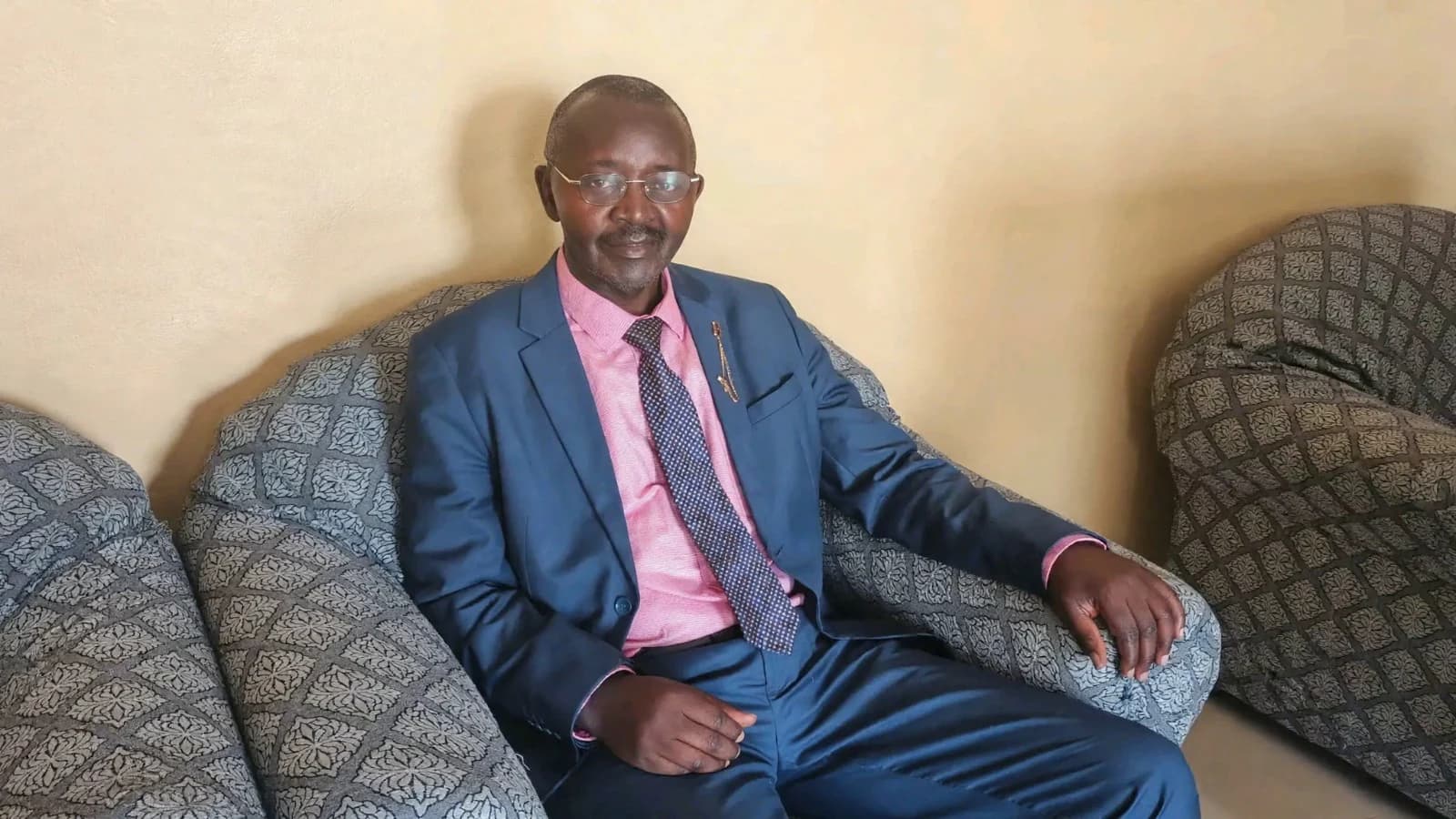



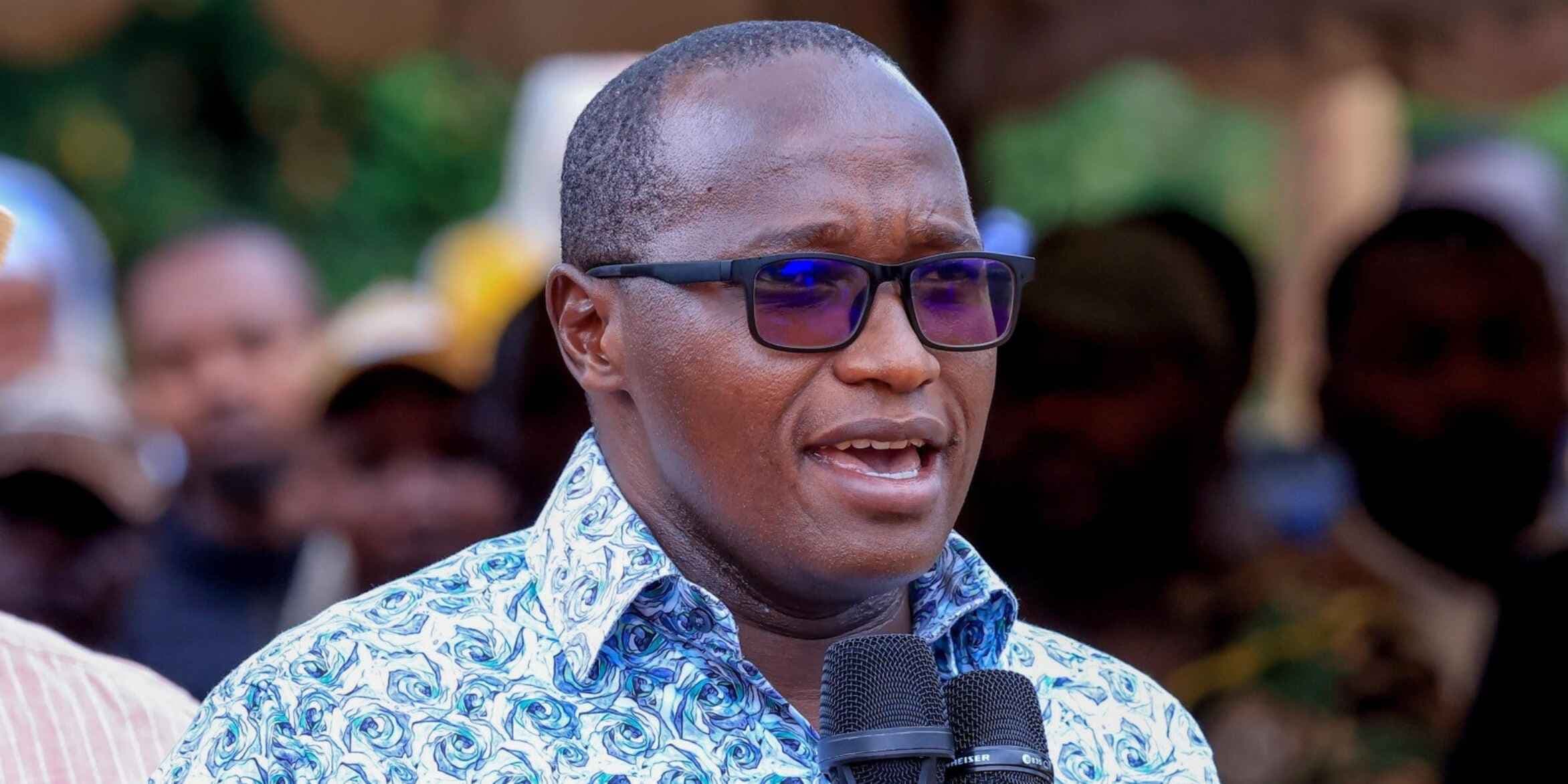
Mukurweini MP John Kaguchia has proposed sweeping amendments to the Tertiary Education, Placement and Funding Bill, 2026, seeking to cap student loan interest at four per cent and guarantee minimum scholarship support for vulnerable learners.
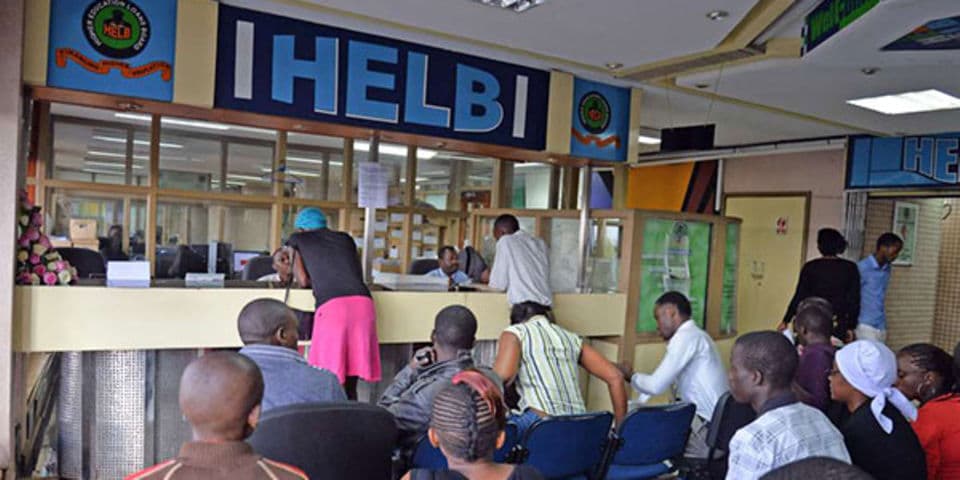
In a submission to the National Assembly’s Departmental Committee on Education dated October 12, Kaguchia backed the proposed consolidation of the Higher Education Loans Board (HELB), Universities Fund and TVET Funding Board into a single Tertiary Education Funding Authority (TEFA), but warned that the Bill could leave needy students burdened with unsustainable debts.
He wants vulnerable students to receive scholarships covering at least 82 per cent of programme costs, while extremely needy learners would receive a minimum of 70 per cent, with neither category required to make household contributions.
Kaguchia argued that the proposed funding framework should guarantee that government support does not translate into excessive borrowing for students from disadvantaged backgrounds.
He also proposed limiting student loan interest to four per cent annually, maintaining the current HELB rate, and suspending interest accrual while beneficiaries are studying or have an approved repayment deferment.
Under his proposals, graduates would begin repaying their loans only after their income exceeds a prescribed threshold, rather than being required to start repayments within one year of completing their studies regardless of their employment status.
Repayments would also be suspended when borrowers’ earnings fall below the threshold, or when they pursue further studies or experience incapacity.
The MP further called for graduated salary deductions, protection of minimum take-home pay and a limit on accumulated interest and penalties to prevent student debts from growing beyond the outstanding principal.
Kaguchia warned that without clear limits on interest rates, scholarship allocations and repayment conditions, the Bill could expose graduates to debts they may struggle to clear, particularly amid limited employment opportunities.
He cited figures presented to Parliament showing that HELB required KSh112.5 billion in the 2026/27 financial year to support 1.38 million students but received an allocation of KSh45.06 billion. The Universities Fund, meanwhile, required KSh47.36 billion for scholarship beneficiaries but was allocated KSh17.92 billion.
Beyond student protection, the MP proposed that TEFA’s borrowing be subject to an annual limit approved by the National Assembly, with the authority required to disclose its borrowing costs and any government subsidies.
He also wants students already enrolled in universities and colleges to retain the scholarship, loan and household contribution terms that applied when they joined their programmes, unless the new arrangements are more favourable.
Other recommendations include transparent criteria for determining students’ financial need, written explanations for funding decisions, a formal appeals process and stronger representation of students and parents on TEFA’s board.
Kaguchia urged the committee to require a costed financial memorandum before the Bill proceeds to Second Reading, alongside annual reporting to Parliament and an independent review of the law within three years of its commencement.
He maintained that the proposed changes would strengthen the legislation while protecting students, safeguarding public finances and ensuring that the Government’s promise of full funding for qualifying learners does not become an excessive debt burden.
Reader Discussion (0)
Sign in to comment