





Meru University of Science and Technology (MUST) has launched a Sh140 million artificial intelligence (AI) innovation centre aimed at helping learners turn their ideas into marketable products and start-ups and create jobs.
The hub, named the Centre for Innovation, Incubation and Entrepreneurship, was set up in partnership with the Safaricom Foundation. It will provide specialised laboratories, AI skills and prototyping facilities to help students and researchers develop practical solutions to challenges facing communities and industry.
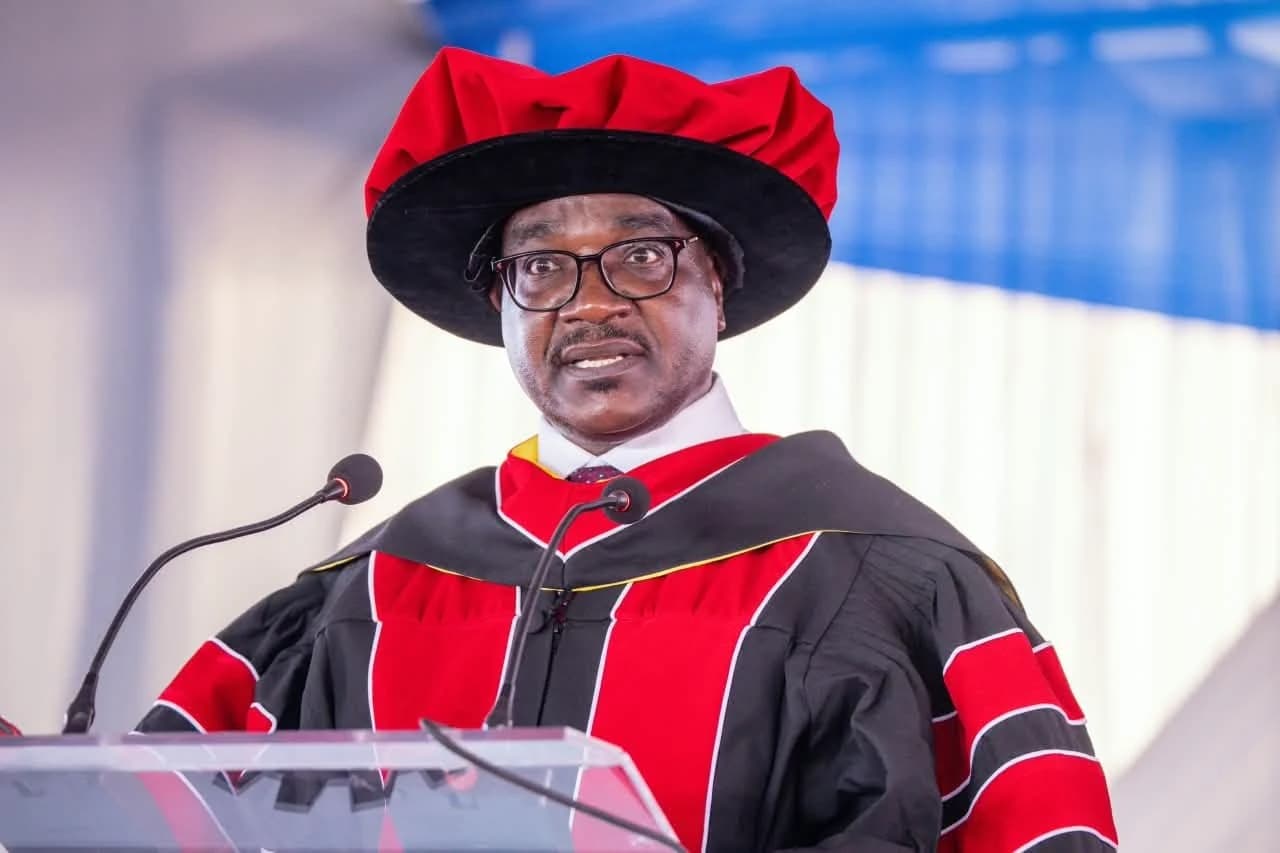
The launch was announced during the university's 14th graduation ceremony, held at the institution's pavilion in Nkomo Ward, Tigania West Constituency, Meru County. A total of 2,047 graduands were awarded certificates, and six candidates received doctorate degrees, which the university described as a record.
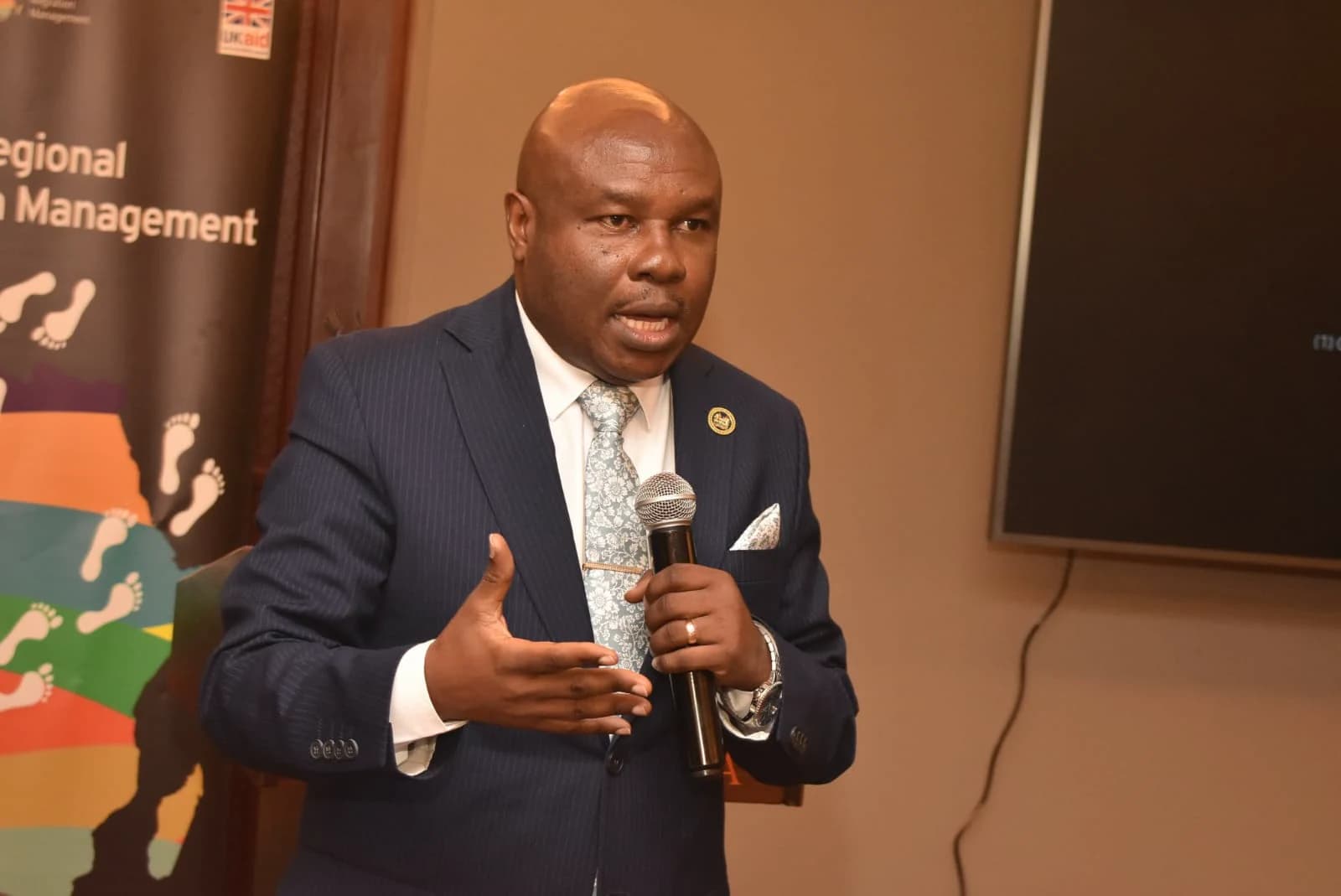
Safaricom Chief Executive Officer and MUST Chancellor Peter Ndegwa said the centre would help close the gap between university training and industry needs by equipping young people with skills to create technology-driven solutions and sustainable businesses.
"This initiative reflects our commitment to equipping young people not only to use technology, but also to create innovative solutions and build sustainable enterprises," Ndegwa said. He said the centre would bring together academia, industry and the community through enterprise labs where students and industry partners will solve real-world challenges, AI labs to develop intelligent solutions in areas such as agriculture and healthcare, and prototyping facilities to turn ideas into practical products and viable businesses.
He said collaborative spaces would enhance creativity, networking and the exchange of ideas, while conference facilities would connect students and innovators with mentors, investors and industry leaders. Ndegwa praised the university management, the M-PESA Foundation and other stakeholders who had worked together to equip the Sh140 million project.
He urged the graduates to move beyond consuming technology and become creators of innovations capable of transforming society. He said AI, robotics, data analytics, digital platforms and renewable energy are changing how people live and work, creating opportunities in agriculture, healthcare, engineering, business, education and environmental conservation.
"At Safaricom, our purpose is to transform lives. We believe technology must go beyond convenience to solve real problems, expand opportunities and improve people's lives," he said. He added that through Safaricom and the M-PESA Foundation, the company continues to invest in education, digital skills, healthcare, agriculture, environmental conservation and community empowerment.
MUST Vice-Chancellor Prof Romanus Odhiambo described the investment as a major milestone in the university's efforts to strengthen research, innovation and entrepreneurship. He said the centre would house enterprise laboratories, AI laboratories, prototyping facilities, collaborative working spaces and conference rooms to bring together students, researchers, industry players, mentors and investors.
"This landmark facility is more than a building; it is a dynamic ecosystem designed to bridge the gap between academia and industry, transforming research and ideas into practical innovations and viable enterprises," Odhiambo said. He added that the centre's success should be measured by the innovations it produces, the jobs it creates and the lives it transforms.
Odhiambo said the university was committed to producing graduates who can respond to changing job-market demands and contribute to Kenya's economic development. He cited food insecurity, climate change, unemployment, public health concerns and environmental degradation as challenges that need scientific research and cross-disciplinary collaboration, and pointed to agriculture as an area where innovation can improve productivity, reduce post-harvest losses and raise farmers' incomes. He also noted opportunities in renewable energy, water management and healthcare.
"Imagine an agricultural graduate who develops a digital platform connecting farmers directly to buyers. Imagine an engineering graduate who designs affordable technologies for access to clean water. Imagine a food scientist who transforms a locally available crop into a marketable product, creating income for farmers and employment for young people," he said.
Among those who graduated with doctorates were lecturers Ann Wanjiru Wambugu (Sanitation and Waste Management), Jane Gatwiri (Mathematics), Cecilia Ndunge Waweru (Finance) and Rosemary Ntibuke Muriki (Human Resource Management).
The ceremony was held under the theme "Co-creating Sustainable Societal Transformation and Fostering Leadership Skills through Scientific and Technological Innovations." Representing the Principal Secretary for Cooperatives, Patrick Kilemi challenged the Class of 2026 to use their knowledge to create opportunities, solve problems and shape the future. "The world is waiting for your ideas, your courage and your contribution. Go into it prepared not merely to fit into the future, but to help shape it," he said.



Reader Discussion (0)
Sign in to comment