Kenya's university lecturers' strike is no longer simply a contest over salaries, allowances and the implementation of a Collective Bargaining Agreement. It is a test of whether the country can resolve industrial disputes without repeatedly sacrificing the academic future of students.
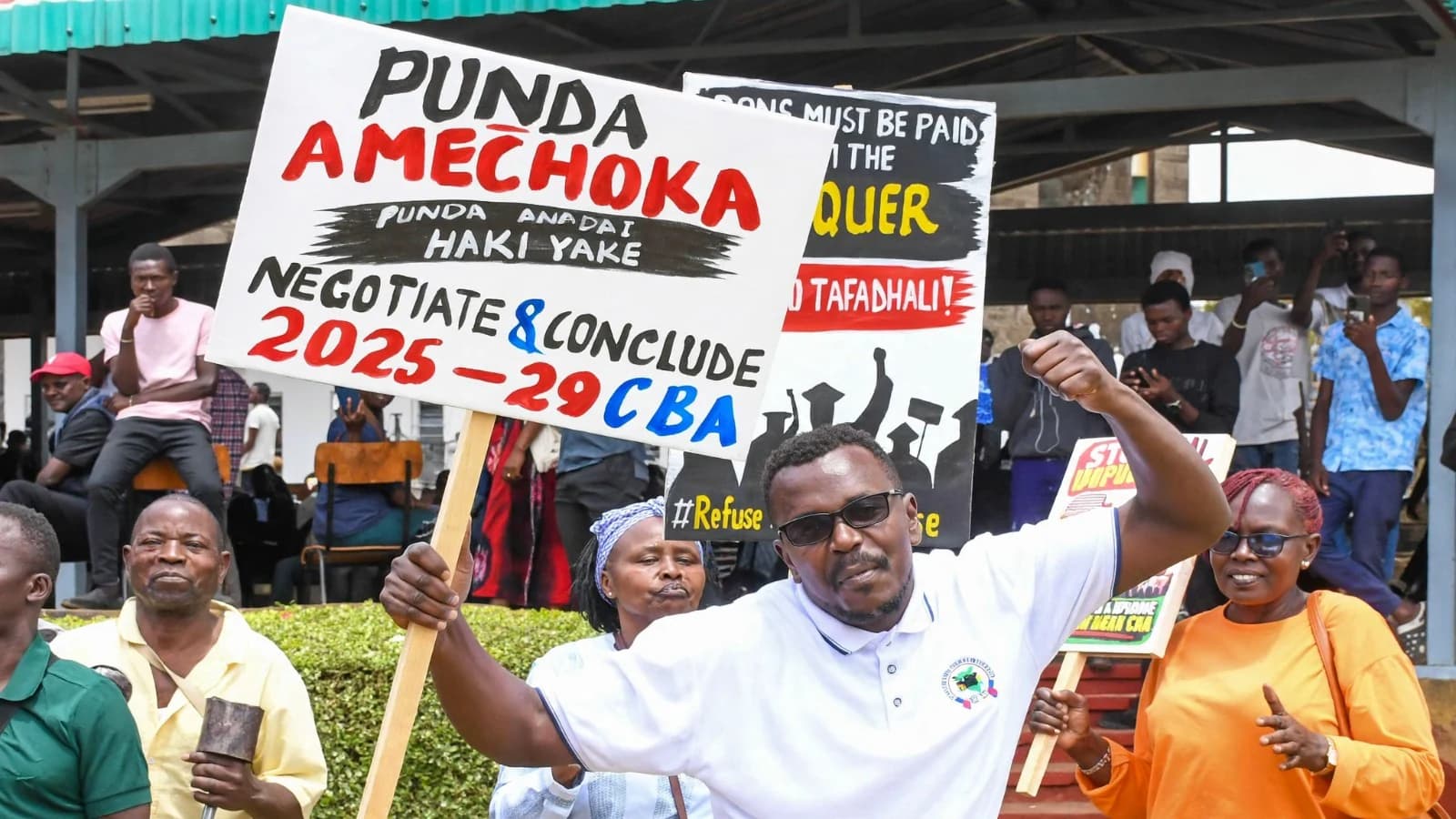
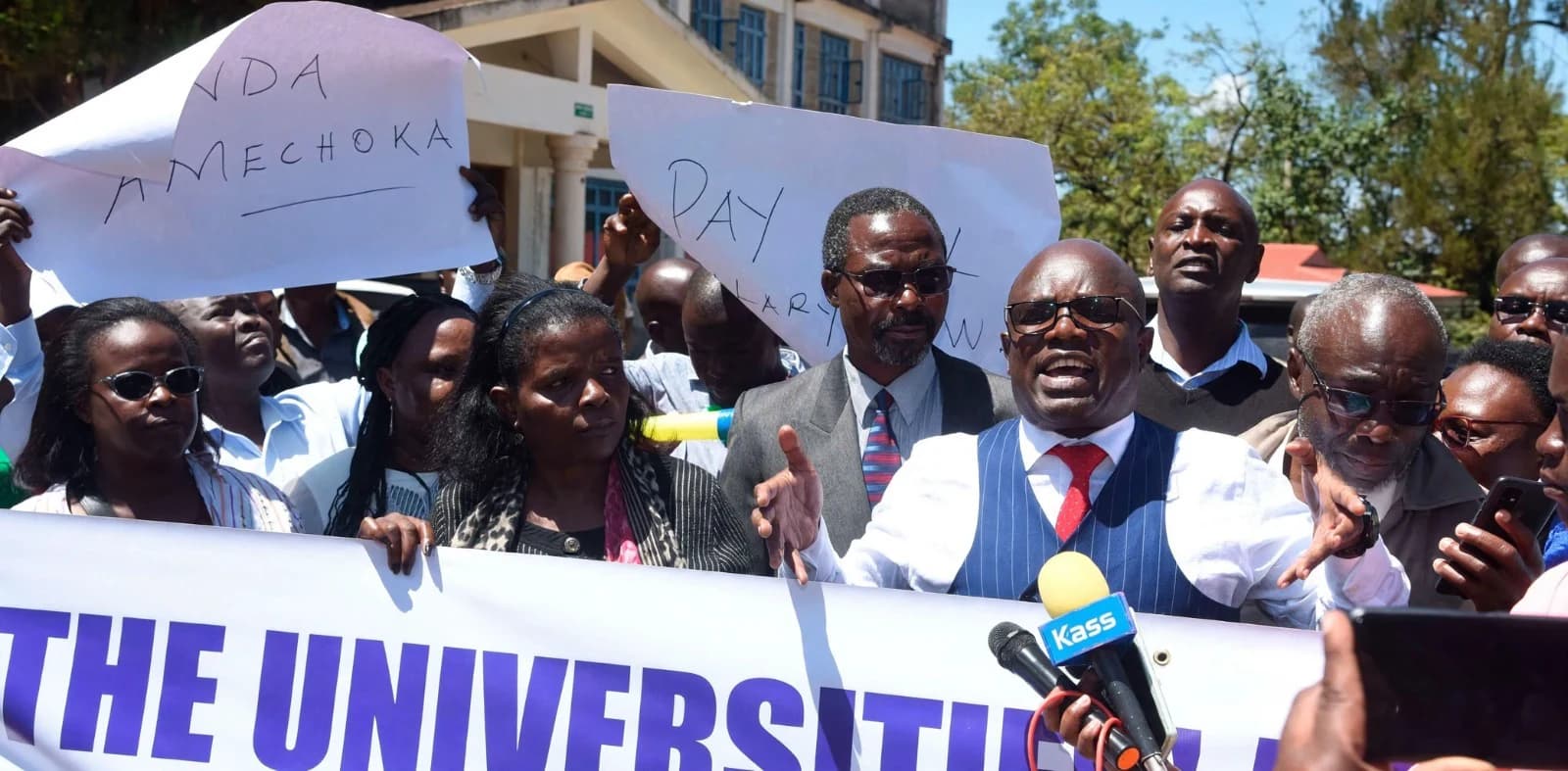
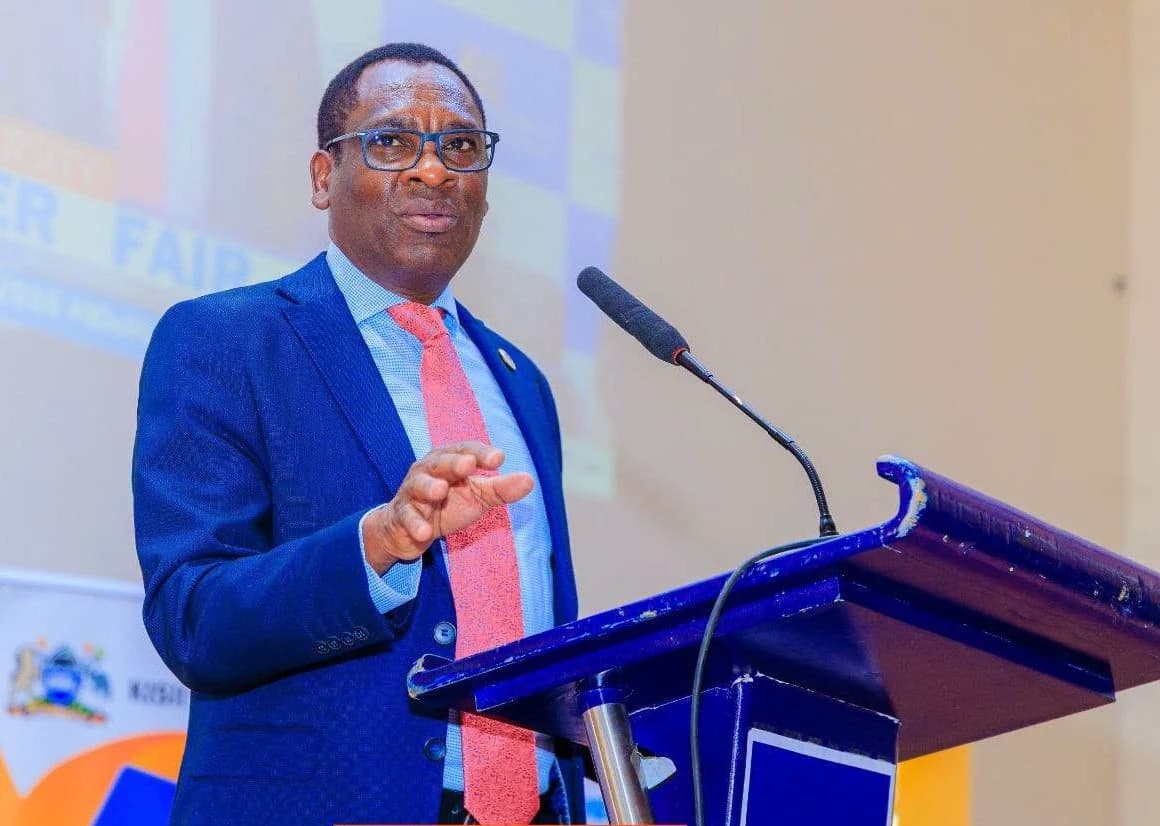
The strike, which began on October 2, has disrupted learning in public universities as the Universities Academic Staff Union (UASU) and the government remain divided over the implementation of the 2025–2029 Collective Bargaining Agreement. Education Cabinet Secretary Julius Ogamba has called on lecturers to return to work and allow negotiations to continue, while the government maintains that outstanding obligations under previous CBAs have been addressed. UASU, however, continues to press for a more satisfactory settlement, arguing that the proposed funding does not adequately respond to lecturers' demands on salaries, allowances, medical cover, research support, promotions and other terms of service.
The dispute has reached a point where neither confrontation nor a simple return-to-work directive is enough. Kenya needs a negotiated formula capable of moving lecturers back to classrooms, keeping CBA negotiations alive, protecting universities from prolonged disruption and, most importantly, shielding students from becoming casualties of a dispute they did not create.
Students did not negotiate the CBA, determine the government's budgetary allocation, or create the disagreement between lecturers and their employers, yet they stand to lose the most irreplaceable commodity in education: time. Every week of interrupted learning can mean postponed examinations, extended academic calendars, shifted graduation dates and halted research supervision, with postgraduate students facing delays in fieldwork and thesis completion. Practical courses are particularly affected, since laboratory, clinical, workshop and field-based learning cannot always be compressed into a few catch-up sessions. Final-year students face the greatest risk, as a delayed examination or graduation can postpone employment, professional registration and postgraduate admission, while parents and guardians bear additional accommodation, food and transport costs when students are forced to remain in university longer than planned.
Kenya has faced this before. The 2018 university lecturers' strike lasted about 78 days and became one of the country's longest nationwide strikes of its kind. Government pressure and court interventions alone could not restore lasting normalcy; the eventual breakthrough came through structured conciliation and negotiations that produced a Return-to-Work Formula between the lecturers' union and university employers, providing a pathway for lecturers to return to classrooms while outstanding issues continued being addressed. The lesson remains relevant: a government directive can demand a return to work and a court order can compel compliance, but neither necessarily resolves the underlying disagreement. A sustainable return requires a negotiated bridge between industrial action and industrial peace.
Ogamba's call for lecturers to return to work should be the beginning of a more structured settlement, not the end of the matter. If lecturers return without a credible agreement on how outstanding CBA questions will be resolved, the country risks simply postponing the next confrontation. A binding, time-bound return-to-work agreement would be a better approach, one that commits lecturers to resume teaching, protects them from victimisation for participating in the industrial action, sets a fixed timetable for CBA negotiations, assigns clear responsibilities to government, universities and the union, establishes a dispute-resolution mechanism for any deadlock, and includes explicit safeguards for affected students. This would convert a political directive into an industrial-relations settlement.
A first step should be separating previous CBA obligations from the unresolved 2025–2029 agreement. The government maintains that arrears under earlier agreements have been addressed; if that position is accepted, those commitments should be clearly separated from the current negotiations, with a transparent account of what has already been paid, what remains outstanding, what belongs to the new CBA and what the government is prepared to finance in each phase. Such clarity would allow negotiations to concentrate on the future rather than continually reopening the past.
Phased implementation of the 2025–2029 CBA may offer the most workable solution. The union's demands should be costed in detail and divided into manageable phases, with salary improvements and urgent allowances forming the first phase, medical, research and academic-related benefits forming a second, and longer-term issues such as pensions and promotion structures assigned specific milestones across the life of the agreement. Every component should answer three questions: how much it will cost, where the money will come from, and when it will be implemented. A CBA should not merely contain promises; it should contain an implementation map.
The dispute cannot be resolved by the Education Ministry and university administrators alone. Treasury must be involved because the central question is not only what lecturers deserve but what the country can sustainably finance, while Labour has a role because industrial disputes require conciliation, compromise and confidence-building alongside financial calculations. Kenya should have an independent conciliator ready to intervene if negotiations reach a defined deadlock, not to replace the parties but to help them find common ground before the dispute escalates again.
The government's proposed allocation of about Sh9.76 billion for the CBA has become a major point of contention. The critical question is not simply whether the figure is large or small, but whether it is sufficient to meet the obligations eventually agreed upon and whether the government has a credible financing plan to sustain the settlement over the life of the agreement. If the figure is insufficient, the government should demonstrate what additional resources can realistically be mobilised; if the union's demands exceed available public resources, the parties should identify which components can be implemented immediately, which require phasing and which require longer-term reforms. The country cannot afford another agreement whose financial implications become a crisis years later, nor can lecturers reasonably accept an agreement that cannot deliver the improvements negotiated on paper.
The recurring strikes point to a deeper problem: Kenya's universities require a predictable and sustainable financing model that supports academic staff remuneration, research and innovation, laboratories and equipment, libraries and digital resources, student welfare, infrastructure and postgraduate education. Without such a framework, the country risks remaining trapped in a cycle in which every new CBA eventually produces another financial confrontation.
The most important innovation in any settlement should be a formal Student Protection Clause. Whenever industrial action disrupts university education, students should automatically receive protections including recovery of lost teaching time through revised academic calendars, priority for final-year examinations, protected graduation dates, promptly restored postgraduate supervision, clear communication from universities about revised calendars and examinations, and adequate time to complete clinical, laboratory, workshop or field-based requirements. Where prolonged disruption causes high additional costs, government and universities should examine mechanisms for cushioning affected students. The idea is not to undermine lecturers' right to strike, but to ensure that exercising that right does not destroy the educational rights of students.
A university strike does not affect all students equally. A first-year student may recover missed coursework through an adjusted calendar, but a finalist facing employment, professional registration or postgraduate admission deadlines has far less flexibility. Any future settlement should therefore establish a hierarchy of academic protection giving urgent attention to finalists and students facing externally determined deadlines, which is not preferential treatment but risk management.
Postgraduate students require particular attention, since a delay in a supervisor's approval can affect fieldwork, data collection, laboratory experiments, thesis writing and examination, especially for research involving external institutions, communities or time-sensitive data. A student protection mechanism must include postgraduate supervision and research continuity, with universities required to identify affected researchers and provide recovery mechanisms once normal operations resume. The cost of a strike also extends to parents and guardians, who continue paying rent, food and other expenses while students wait for learning to resume, facing additional months of financial pressure when academic calendars are extended.
The practical path forward should rest on five pillars: a binding return-to-work agreement that restores academic activities while negotiations continue; clear separation of old CBA obligations from the new ones; phased implementation of the CBA with identified funding sources and dates; independent conciliation if negotiations reach a deadlock; and enforceable student protection provisions covering academic recovery, examinations, graduation, postgraduate supervision, practical learning and communication. This would give lecturers a credible route towards improved working conditions, government a financially manageable implementation structure, universities academic stability, parents greater certainty, and students protection against losing an academic year over a dispute they did not create.
Kenya must also change how it approaches university strikes more broadly. The current cycle, in which CBA negotiations lead to disagreement, strike notices, industrial action, court intervention, a return-to-work directive and eventually another dispute, is not sustainable. The country needs a permanent social-dialogue framework for public universities in which CBAs are negotiated early, costed realistically and linked to predictable government financing, with disagreements triggering structured conciliation before industrial action becomes the default response. Universities should also maintain contingency plans for protecting students whenever industrial action threatens the academic calendar. The goal should not be to prevent legitimate labour disputes, but to prevent them from repeatedly paralysing the education of an entire generation.
The immediate question is when lecturers will return to their classrooms, but the more important one is what Kenya will do afterwards. If the parties simply reach another temporary compromise, the current crisis will eventually return in another form. If they instead use this moment to establish a fully costed CBA, predictable financing, credible conciliation and student protection, the present confrontation could become a turning point. The 2018 experience showed that a negotiated Return-to-Work Formula can break a prolonged stalemate; the current crisis offers Kenya an opportunity to improve on that model by addressing the financing of the agreement, providing a timetable for implementation, creating a mechanism for resolving future disagreements and placing students at the centre of contingency planning.
Lecturers deserve dignified and predictable remuneration. Government deserves a financially sustainable settlement. Universities deserve stability. Parents deserve value for the sacrifices they make. But students, who did not negotiate the CBA, did not create the funding dispute and do not control industrial action, deserve the strongest protection of all. Kenya does not need another temporary ceasefire. It needs a durable industrial-peace architecture for its universities, one built not by silencing legitimate grievances, but by resolving them before students are forced to pay the price.

Reader Discussion (0)
Sign in to comment