






Embu County is moving to introduce technology-driven meal distribution in public Early Childhood Development Education (ECDE) centres, with learners expected to use smart wristbands to access food under a proposed digital school feeding system.
The initiative, modelled on the Tap2Eat programme, will require parents to deposit Sh20 per meal into individual digital accounts linked to their children's wristbands. Learners will tap their wristbands against electronic readers at designated serving points to receive their meals, removing the need to carry cash to school.
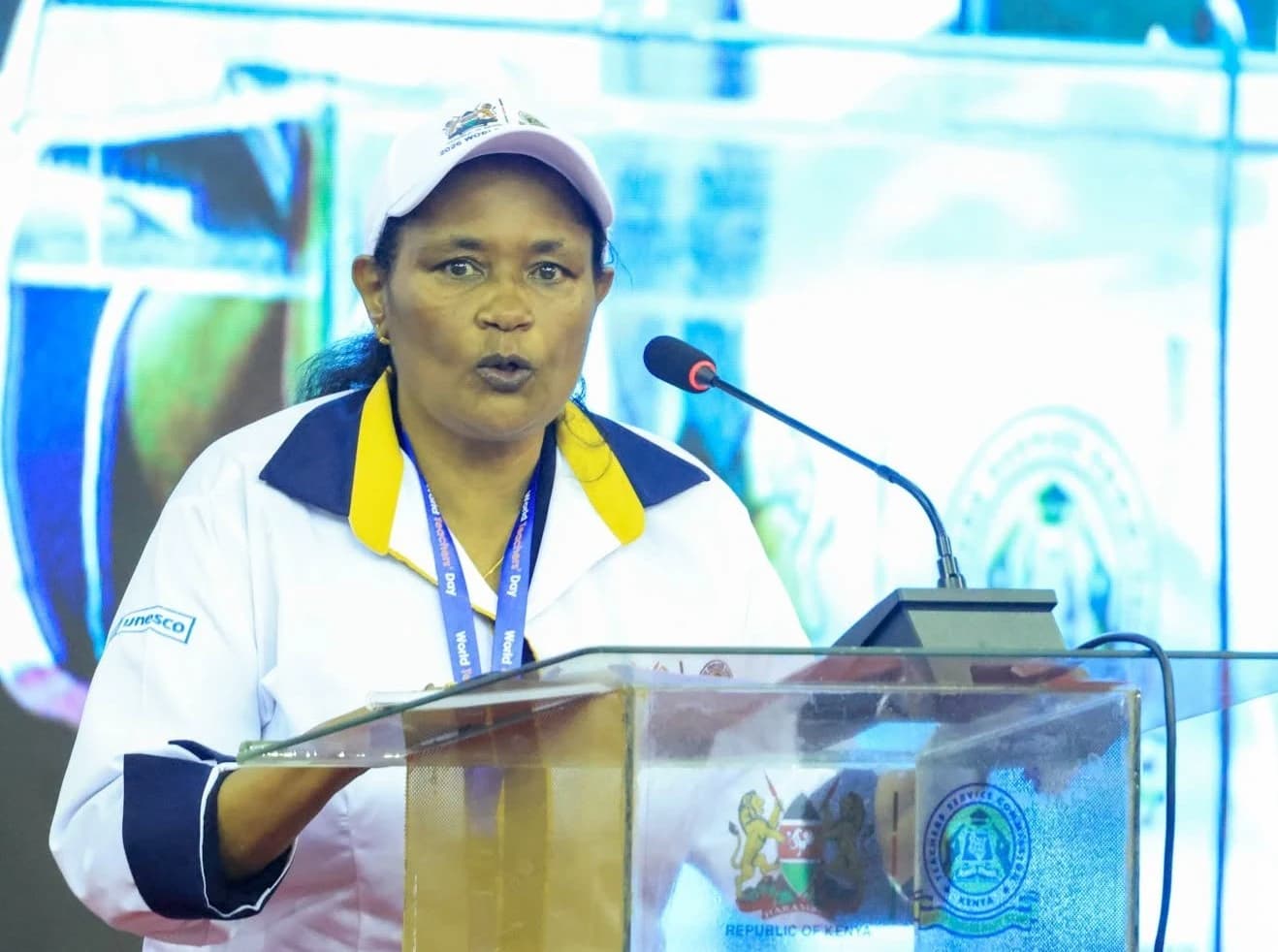
County Executive Committee Member for Education Monica Munyasya said the system would strengthen accountability, improve efficiency and ensure that every meal distributed is electronically recorded. The technology is also expected to reduce irregularities in meal distribution and give reliable information on the number of learners served and the resources used.
"The system will help us improve accountability and efficiency in the school feeding programme by ensuring that every meal served is recorded and accounted for," Ms Munyasya said.
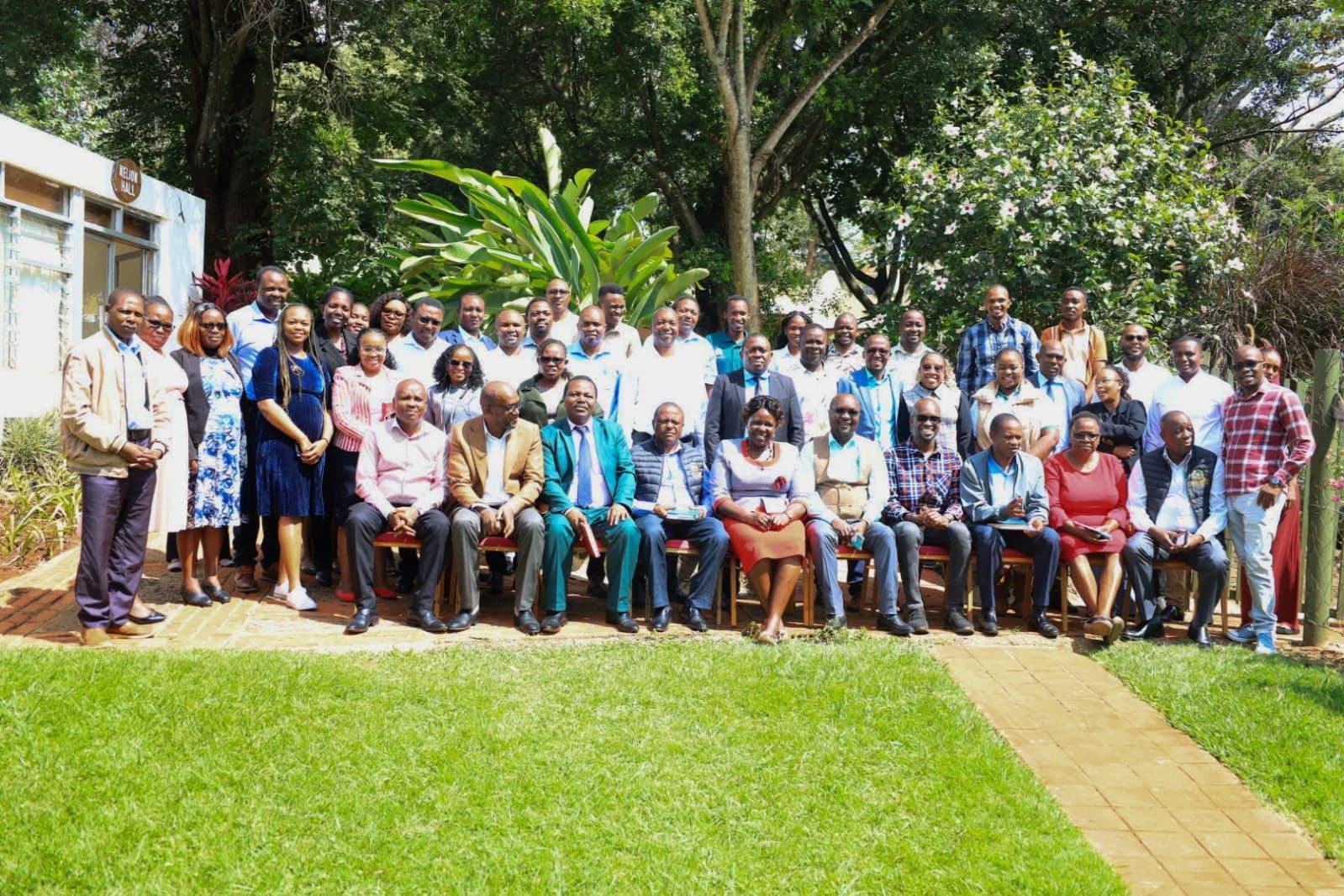
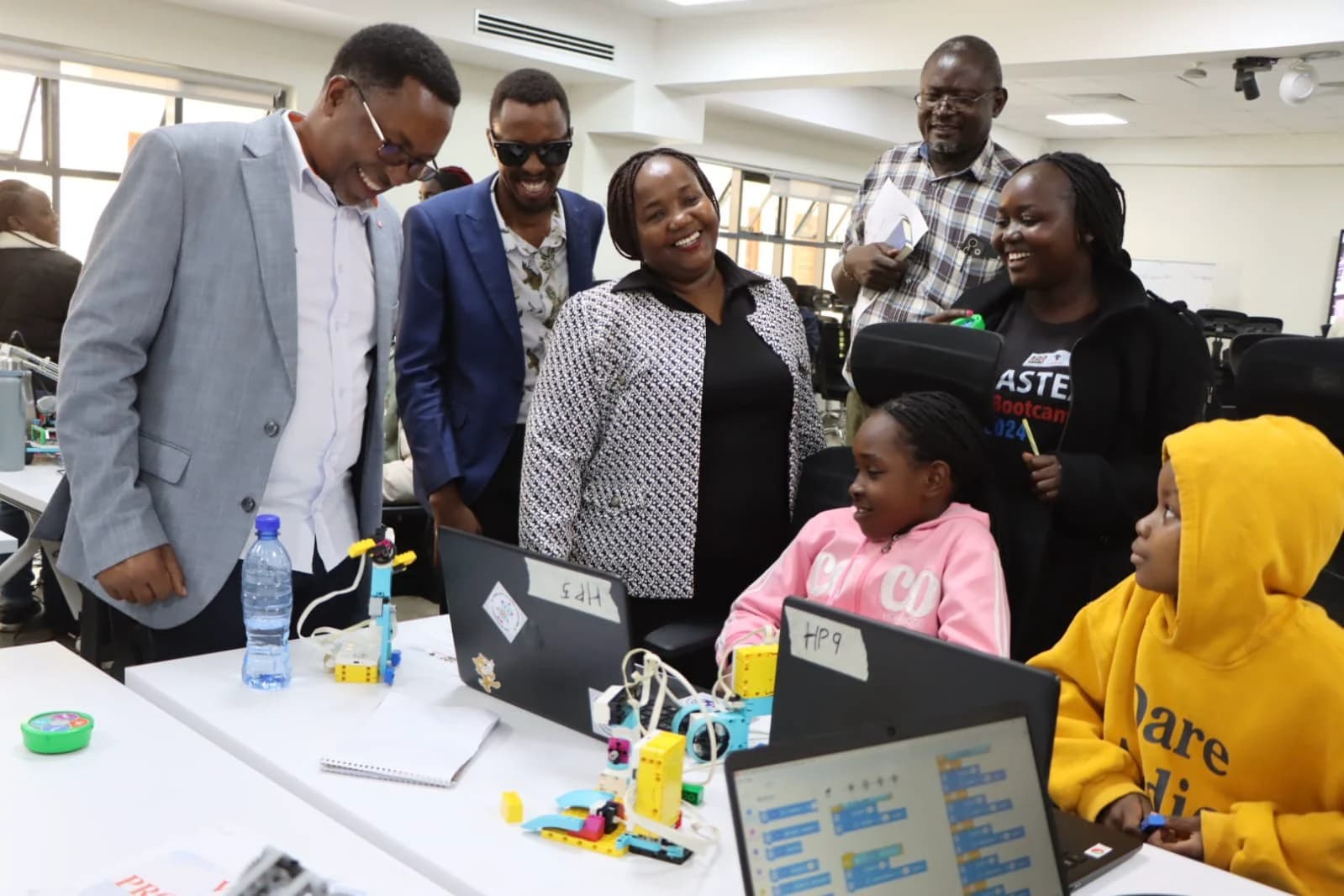
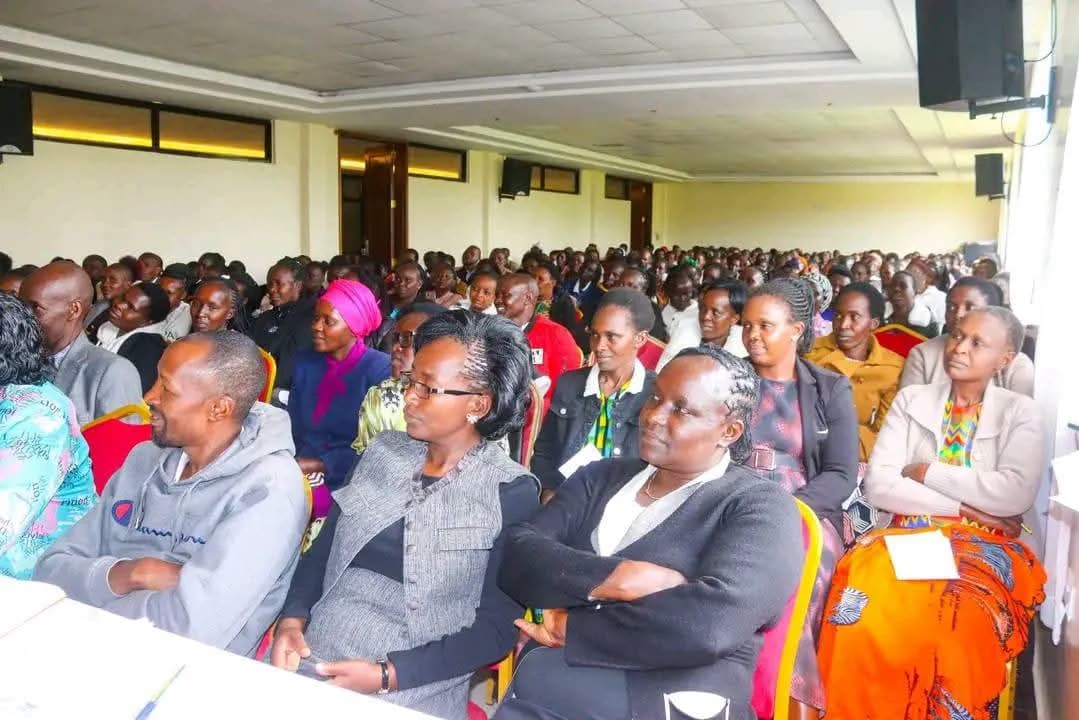
She spoke during the opening of a stakeholder engagement and validation meeting on the draft Embu County Pre-Primary School Feeding Policy, 2026, organised by the county's Department of Education in partnership with Food4Education.
Once implemented, parents will be expected to deposit Sh20 for every meal into their children's digital accounts. Each learner will receive a smart wristband connected to an individual account. When the child arrives at a designated serving point, the wristband will be scanned by an electronic reader before a meal is issued.
The system will automatically deduct the applicable amount from the learner's account and generate an electronic transaction record.
Apart from making meal distribution more organised, the arrangement will let parents monitor their children's meal consumption and allow programme administrators to track payments and food distribution. The cashless arrangement is also expected to reduce the risks of young learners handling money.
The proposed system draws on Tap2Eat, a technology-based school feeding model developed by Food4Education, a Kenyan non-profit organisation that provides meals to learners through digital payment systems and organised food distribution networks. The organisation's model has expanded to 15 counties, supporting more than 1,500 schools through centralised and decentralised kitchens.
Food4Education founder and Chief Executive Officer Wawira Njiru has previously highlighted the importance of letting parents make small, regular contributions towards their children's meals rather than raising large amounts at once.
The proposed digital system comes as Embu seeks to strengthen its existing school feeding initiative, which currently benefits more than 20,000 learners across 404 public ECDE centres.
Through the Embu Uji Programme, young learners receive a daily cup of fortified porridge intended to improve their nutrition, health and concentration in class. Governor Cecily Mbarire launched the initiative in 2024 to address nutritional challenges affecting children, particularly those from economically disadvantaged households.
At the launch, Ms Mbarire said the programme was designed to improve children's well-being, encourage school attendance and increase enrolment.
"This is a programme that will also give some of the young ones from poverty vulnerable families a lifeline," the governor said.
The county is now seeking to move beyond the porridge initiative by developing a policy to guide the financing, management and expansion of school feeding services.
The draft Embu County Pre-Primary School Feeding Policy, 2026, seeks to set up a sustainable framework for providing safe and nutritious meals to children in public ECDE centres. Its key objectives include improving children's nutritional status, strengthening school enrolment and attendance, reducing absenteeism and improving retention and transition rates.
The framework also seeks to ensure that children from vulnerable households are not excluded from school feeding because of their families' financial circumstances.
The draft policy calls for stronger collaboration between county departments responsible for education, health, agriculture and finance, which are expected to coordinate food sourcing, preparation, distribution and financing. Parents, schools, development partners and local communities are also expected to play a role.
While the smart wristbands could improve transparency and make meal distribution more efficient, the proposed Sh20 contribution raises questions about affordability and access. For low-income households with several children in public ECDE centres, daily contributions could become an added financial burden.
The success of the initiative will therefore depend not only on the technology but also on how the county protects children from vulnerable households. The draft policy lists inclusivity and access to nutritious meals among its key objectives.
The stakeholder engagement and validation process is expected to refine the proposed framework before it proceeds for further consideration.



Reader Discussion (0)
Sign in to comment