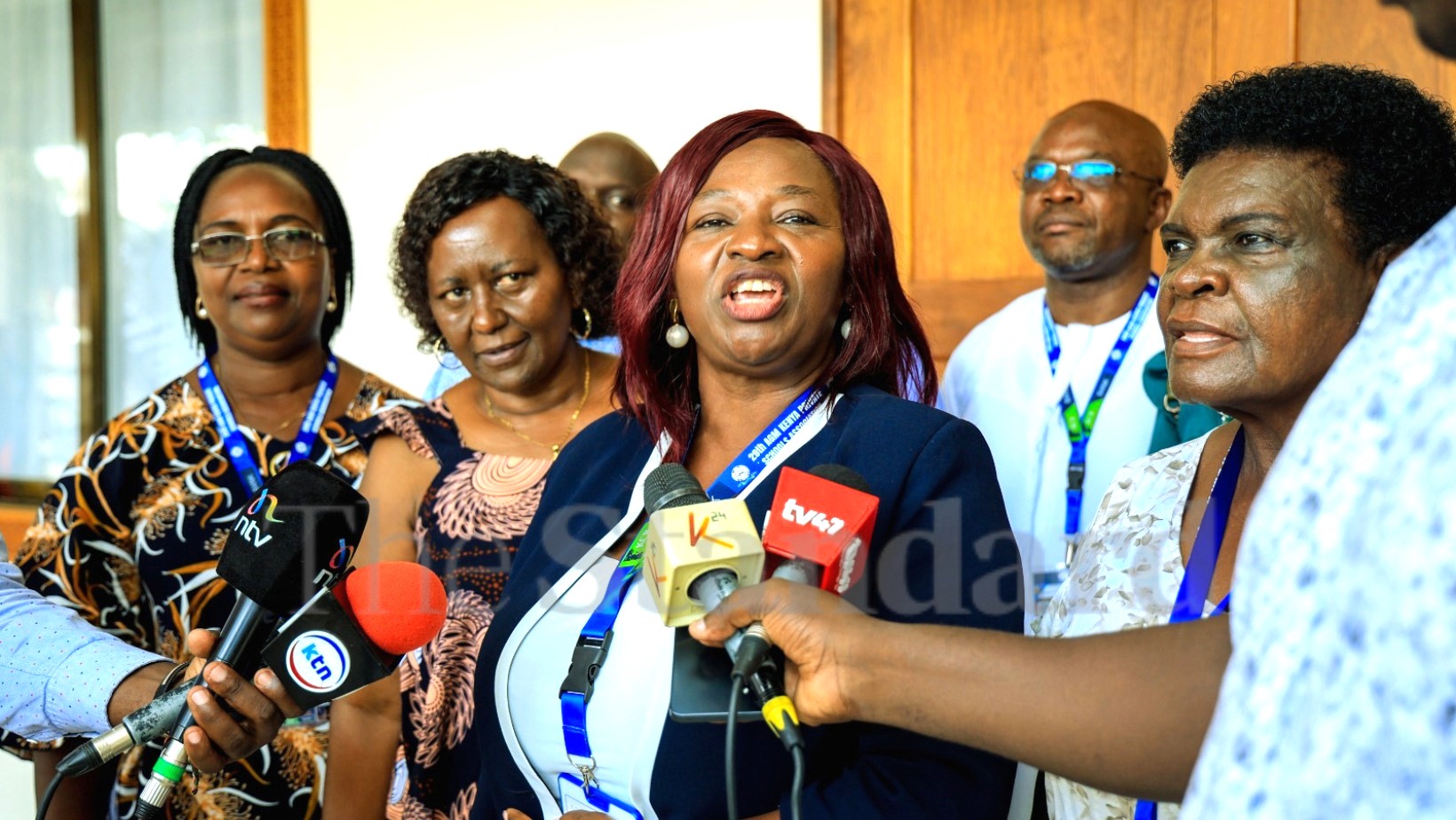
The election of Rosebella Ojiambo as the new national chairperson of the Kenya Private Schools Association comes at a defining moment for private education in Kenya.
Barely a month into office, the new leadership already carries the weight of enormous expectations from school owners, teachers, parents and learners across the country.
Leadership is rarely judged by speeches. It is judged by priorities, decisions and actions. In many institutions, the first move of a new administration often reveals the philosophy that will shape its tenure. It shows whether leaders are coming to serve members or merely occupy offices. It determines whether an organisation will become reform-oriented or remain trapped in ceremonial routines and endless public relations exercises.
For KPSA, the stakes are unusually high.
Private schools in Kenya are operating in one of the most difficult periods in recent history. Rising operational costs, unpredictable economic conditions, shifting curriculum demands, teacher turnover, parental pressure and declining trust have created a complex environment for school management. Many low-cost private schools are struggling to survive. Others are slowly losing their academic identity and institutional credibility.
The new KPSA leadership cannot afford to behave like everything is normal.
One of the greatest challenges facing private schools today is financial strain. Parents are increasingly unable to pay fees on time due to the rising cost of living. Schools, on the other hand, are grappling with high taxation, statutory deductions, rent, transport costs and expensive educational resources. Some institutions have accumulated debts, while others are quietly downsizing staff to remain operational.
KPSA must therefore move beyond ceremonial conferences and social media visibility. Members want practical representation. They want a leadership that can negotiate policy issues, lobby for favourable regulations and amplify the concerns of private schools at the national level.
Many school proprietors feel abandoned whenever major education decisions are made. Discussions around curriculum implementation, assessments, teacher qualifications and compliance requirements often proceed without sufficient engagement with private institutions. Yet private schools educate a significant percentage of Kenyan learners and play a major role in reducing pressure on public institutions.
The new leadership must reposition KPSA as a serious policy stakeholder rather than a passive observer.
Another urgent issue is the growing crisis of confidence within the private education sector itself. In recent years, some schools have overpromised parents and underdelivered on quality. Others have commercialised education excessively, reducing schools into profit centres with little regard for pedagogical integrity. Aggressive marketing has, in some cases, replaced genuine investment in teaching and learning.
Parents are now more sceptical than before. They ask harder questions. They compare value for money. They demand accountability. They expect transparency in fees, academic results, safety and staff professionalism.
KPSA’s new administration must therefore champion ethical leadership among member schools. It should not merely defend schools blindly whenever criticism emerges. Instead, it must encourage standards, professionalism and internal accountability. A respected association does not hide problems. It confronts them honestly and works toward improvement.
Teacher welfare is another area demanding urgent intervention.
Many teachers in private schools remain overworked, underpaid and professionally frustrated. Some handle excessive workloads with little job security. Others operate without clear career progression structures. In some schools, teacher burnout has become normalised.
An association that truly cares about educational quality cannot ignore the condition of teachers. Learners succeed because motivated teachers sustain learning environments. If KPSA wants to restore trust in private education, it must actively encourage fair labour practices, teacher development and professional dignity within member institutions.
The CBC transition has also placed private schools under immense pressure. Infrastructure demands, assessment expectations and changing instructional approaches have exposed deep inequalities among schools. While elite institutions may absorb these changes with relative ease, smaller schools continue struggling with facilities, staffing and training.
The new KPSA leadership has an opportunity to become a bridge between policy and implementation. Schools need practical support, not motivational rhetoric. They need structured training, collaborative resource-sharing and honest guidance on compliance and quality assurance.
Equally important is communication.
Many associations lose relevance because members only hear from leaders during elections, conferences or crises. Effective leadership requires consistent engagement. School owners across counties want to feel represented and heard. They want transparent updates, responsive structures and accessible leadership.
The era of distant leadership is over.
Today’s educational environment demands leaders who are visible, informed and solution-oriented. KPSA’s national office must cultivate a listening culture. The leadership should conduct regular consultative forums, county engagements and issue-based dialogues with stakeholders.
The association must also rethink its public image. Private schools are sometimes portrayed either as exploitative businesses or elitist institutions disconnected from ordinary families. KPSA should actively showcase the sector’s contribution to innovation, employment creation, community development and educational access.
However, image management alone will not solve institutional distrust. Credibility comes from consistency between words and actions.
If the new leadership promises reform, members will expect reform. If it promises advocacy, members will expect measurable advocacy outcomes. If it speaks about unity, members will expect inclusivity across school categories and regions.
This is why the first weeks or months in office matter profoundly.
The opening decisions of Rosebella Ojiambo and her team will shape perceptions for years to come. They can either establish a culture of proactive leadership or continue the cycle of symbolic administration that many professional associations fall into.
Kenya’s private education sector does not need applause-driven leadership. It needs courageous leadership. Leadership willing to confront uncomfortable truths, modernise institutional thinking and prioritise member welfare over personal visibility.
Ultimately, KPSA must remember that trust is not demanded. It is earned.
Parents will trust private schools when quality becomes consistent. Teachers will trust the association when their welfare matters. School owners will trust leadership when representation becomes practical and responsive. Stakeholders will regain confidence when they see integrity, competence and vision guiding the organisation.
READ ALSO: KPSA chairperson decries biased assessment of private schools
The new leadership still has the advantage of a fresh beginning. Expectations are high, but so is the opportunity to transform the association into a stronger, more respected and more influential voice in Kenyan education. The new leadership can realise that.
History often remembers leaders not for how loudly they campaigned, but for the direction they chose immediately after assuming office. It will not matter whether they were opposed or unopposed. Their enduring legacy will matter at the end.
By Ashford Kimani
Ashford teaches English and Literature in Gatundu North Sub-county and serves as Dean of Studies.
You can also follow our social media pages on Twitter: Education News KE and Facebook: Education News Newspaper for timely updates.
>>> Click here to stay up-to-date with trending regional stories
>>> Click here to read more informed opinions on the country’s education landscape