








As Africa navigates extraordinary geopolitical shifts and mounting global pressures, the call for visionary leadership and capable institutions has grown louder. The African Union Development Agency (AUDA-NEPAD) is urging universities across the continent to step beyond traditional academic roles and become engines of solutions for Africa’s development.
This message was amplified during the first edition of the executive management programme held in Johannesburg, organized in partnership with the Wits School of Governance. The programme brought together African leaders for deep reflection and discussions on economic transformation, global health systems, and the role of emerging technologies such as artificial intelligence (AI) in shaping governance.
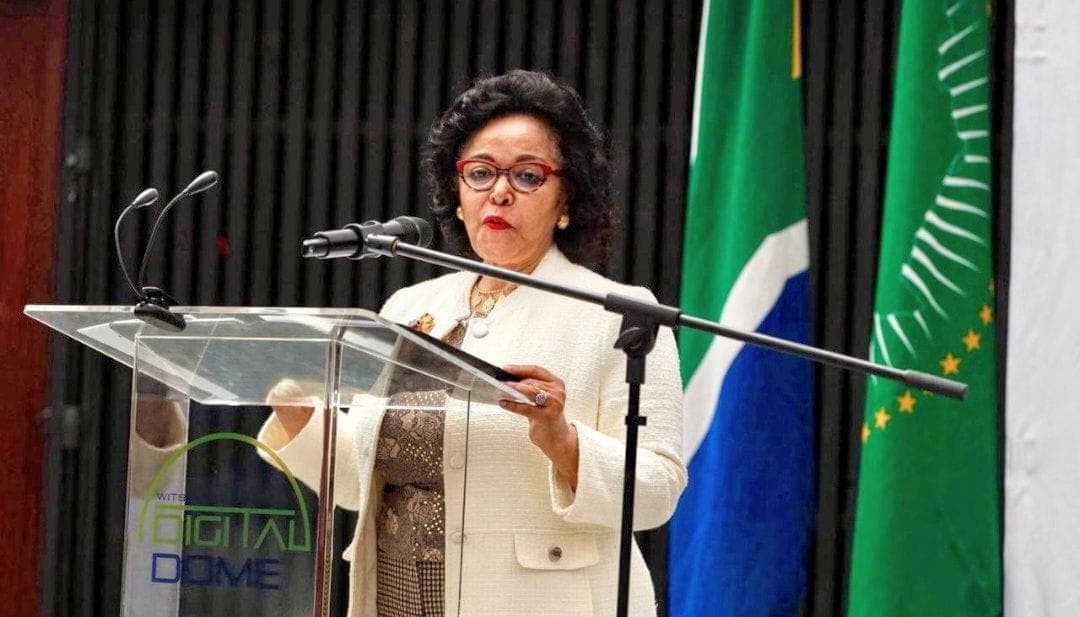
While the sessions addressed critical issues, the initiative highlighted something even more profound: the power of African institutions of higher learning. AUDA-NEPAD Chief Executive Officer Nardos Bekele-Thomas emphasized that universities are not merely centers of academic pursuit but vital platforms for generating new ideas, analytical capacity, and evidence-based policymaking.
ALSO READ:
https://educationnews.co.ke/justice-lenaola-challenges-universities-to-rethink-law-training-warns-education-changes-demand-reforms/
She praised the partnership between AUDA-NEPAD and the Wits School of Governance, describing it as a living testimony of what happens when policy and practical experience combine with academic expertise. “This great combination creates a platform where knowledge is translated into effective governance, empowering leaders who can steer intricacies, rally populations, and drive reforms that truly respond to the needs of our citizens,” she said.
According to Bekele Thomas the true value of the programme lies not only in the academic credentials earned but in the relationships built and perspectives exchanged. She noted that these tools will influence governance across countries and institutions, reminding participants that leadership in the public sector carries profound responsibility. Decisions made today, she said, will shape tomorrow’s economic and social opportunities.
She further applauded the leaders who committed themselves to completing the executive management programme, stressing that their acquired experience will strengthen institutions driving Africa’s development. “Together, through collaborative leadership and a sustained commitment to reform, Africa is advancing towards attaining the vision of Agenda 2063 and building a more peaceful world,” she added.
ALSO READ:
https://educationnews.co.ke/motorsports-in-cbe-sport-science-will-safari-rally-produce-future-rally-champions/
The Johannesburg programme underscored the need for African universities to align their research, training, and innovation with the continent’s pressing challenges. By equipping leaders with practical skills and policy insights, universities can help Africa compete favourably with global changes while safeguarding its sovereignty.
The discussions also highlighted the importance of integrating emerging technologies into governance. Artificial intelligence and digital innovations were identified as tools that can enhance decision-making, improve service delivery, and strengthen accountability in public institutions.
By Wakhungu Andanje
You can also follow our social media pages on Twitter: Education News KE and Facebook: Education News Newspaper for timely updates.
>>> Click here to stay up-to-date with trending regional stories
>>> Click here to read more informed opinions on the country’s education landscape



Reader Discussion (0)
Sign in to comment