Parents in Tinderet Sub-County, Nandi County have raised alarm over the rising cost of education under the Competency-Based Education (CBE) system as schools reopen for the second term.
As early as dawn, pupils in uniform were seen trekking along dusty village roads and boarding motorbikes to various schools across the area, signaling the start of a new academic term.
While learners appeared eager and excited to return to class, their parents expressed fear over the growing financial burden tied to the new curriculum.
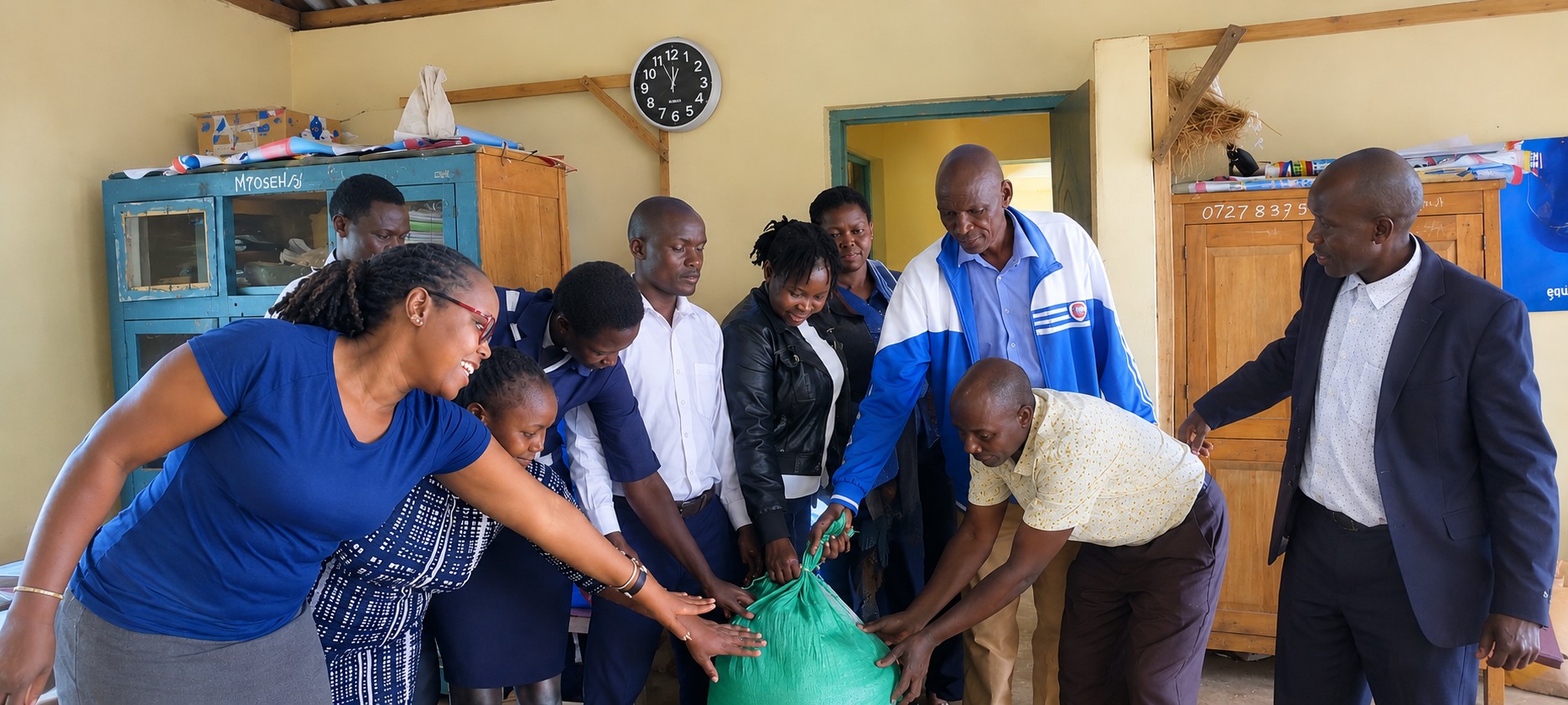
At Maraba trading centre, parents waiting to escort their children to school said the list of requirements issued by schools has significantly expanded under CBE, stretching already strained household budgets.
“For this term alone, I have spent more than Ksh8,000 on one child. That includes books, materials, and school levies. I have three children, and it’s becoming impossible to manage,” said Mary Sang, a parent from Kapkoros village.
Under the system, parents are required to purchase not only textbooks but also a range of practical learning materials such as charts, drawing books, clay, and manila paper—items they say are both costly and frequently demanded.
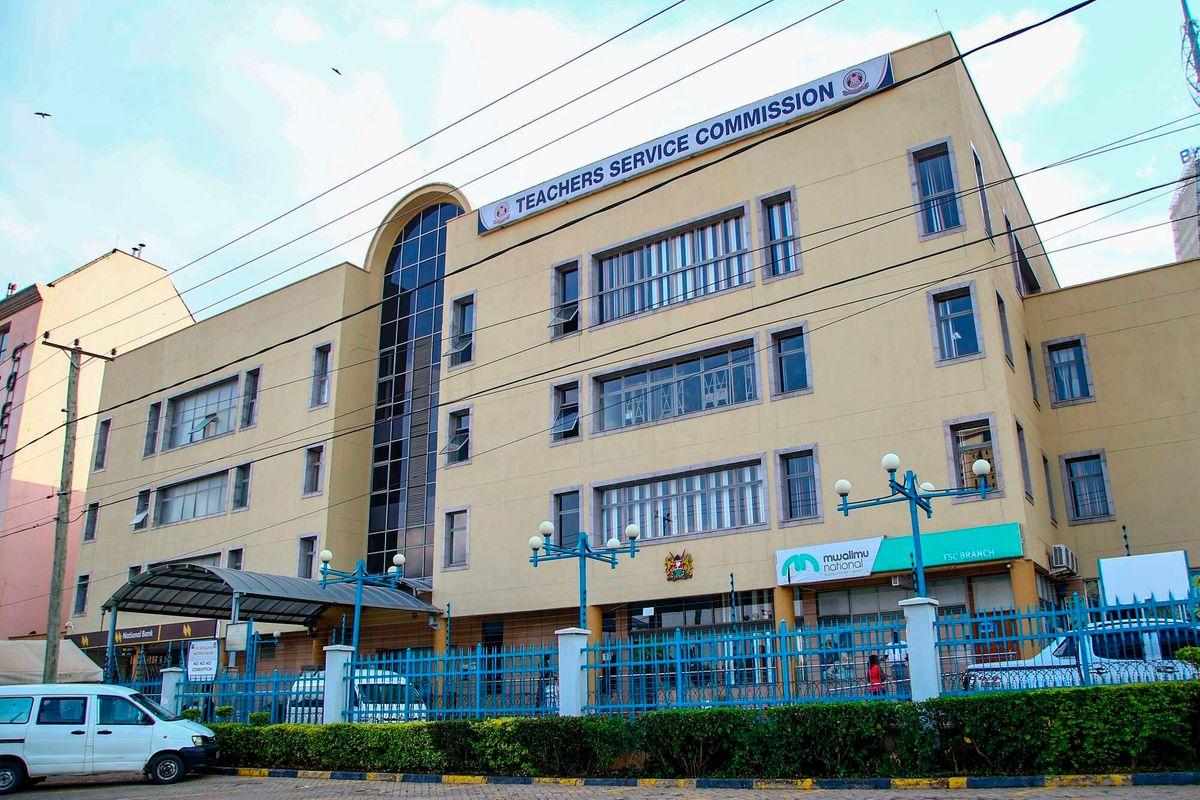
ALSO READ: TSC proposes changes to Regulation 20, seeks public feedback
TSC proposes changes to Regulation 20, seeks public feedback
Many families in Meteitei rely on small-scale farming, particularly maize and dairy production.
However, fluctuating prices and erratic weather patterns have reduced earnings, making it increasingly difficult to meet school-related expenses.
Esther Jepchirchir, a guardian raising two school-going children, said she had to seek financial assistance from relatives to prepare for the term.
“The requirements are too many. You buy items today, and tomorrow the school asks for something else. It’s overwhelming,” she said.
Parents also voiced concern over what they termed as “hidden levies” imposed by schools, including charges for examinations, remedial lessons, co-curricular activities, and development projects.
“We are not refusing to support schools, but the charges are too many and sometimes unclear. You pay without knowing exactly what the money is meant for,” said Florence Lagat.
School administrators, however, defended the charges, citing inadequate government funding. A head teacher at a local primary school said capitation from the government does not fully support the demands of CBE.
“The curriculum requires practical teaching, which means more materials and resources. Without enough funding, it becomes difficult to implement it effectively,” the head teacher said.
Teachers echoed similar concerns, warning that lack of adequate materials could undermine the success of the curriculum.
“We are doing our best, but the lack of materials affects the quality of learning. Some learners come without the required items, and it limits their participation,” said a Grade Five teacher in Meteitei.
Despite the challenges, some parents acknowledged the benefits of the system, noting that it nurtures creativity and practical skills among learners.
“I can see my child becoming more innovative, but the cost is too high. The government should provide more support, especially with learning materials,” said Mercy Chebet, a mother of two.
Education stakeholders in the sub-county have called for urgent intervention, including increased funding to public schools, regulation of levies, and provision of standardized learning materials to ease the burden on families.
A local education officer emphasized the need for inclusive implementation of the system.
“We must ensure that no child is disadvantaged because of financial constraints. Education should be accessible to all,” he said.
As the second term begins, the situation in Meteitei mirrors growing national concern over the affordability of education under CBE. While the curriculum’s goals are widely supported, many families continue to grapple with its financial implications, hoping for timely government intervention to make education more sustainable.
By Kimutai Langat
You can also follow our social media pages on Twitter: Education News KE and Facebook: Education News Newspaper for timely updates.
>>> Click here to stay up-to-date with trending regional stories
>>> Click here to read more informed opinions on the country’s education landscape