- A parliamentary committee has raised concerns over financial management practices in national schools.
- MPs cited textbook disparities, old fee arrears, unauthorised borrowing and weaknesses in procurement systems.
- The committee says its findings will inform recommendations aimed at strengthening accountability in public schools.
The National Assembly Public Investments Committee on Governance and Education has raised concerns over financial management in national schools, citing disparities in textbook distribution, accumulated fee arrears, unauthorised borrowing and weaknesses in procurement practices.
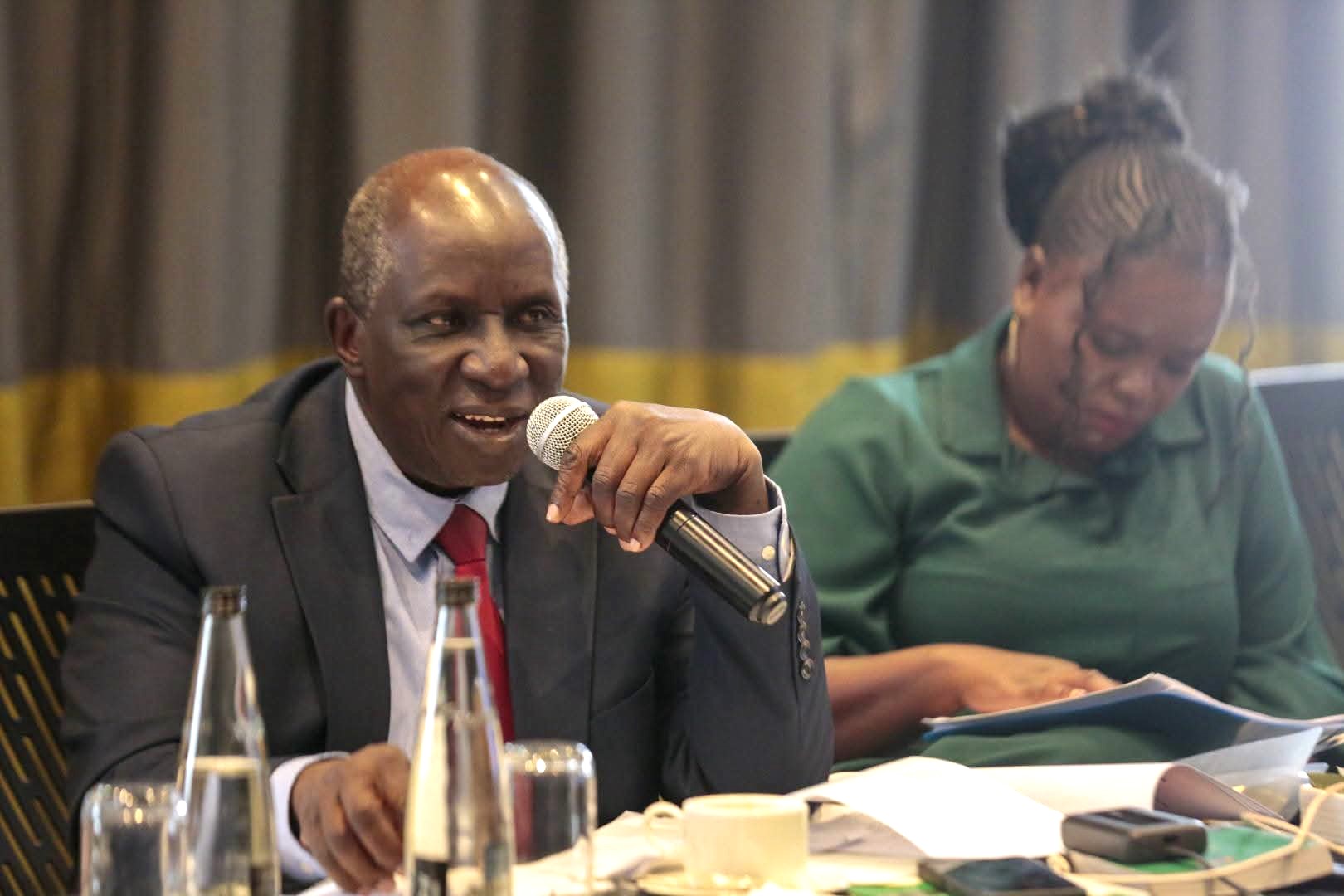
The committee, chaired by Luanda MP Dick Maungu, raised the concerns during its examination of Auditor-General reports covering the 2020/21 to 2024/25 financial years.
The scrutiny involved several national schools, with school heads appearing before the committee during its retreat in Kisumu.
Among the institutions represented were Ng’iya Girls High School, Maseno School, Maranda Boys High School, Kisumu Girls High School and Chavakali Boys High School.
Maungu said the committee had established significant discrepancies in the distribution of textbooks, with some schools receiving hundreds of books beyond their requirements while other institutions, particularly in marginalised and remote areas, continued to experience shortages.
“We have seen a school that received 400 and 506 extra books,” Maungu said.
He questioned whether textbook allocation was being guided by accurate and up-to-date enrolment data.
“The question is, when you receive extra numbers, does it mean there is a school somewhere that does not have books?” he posed.
The committee is expected to summon the Kenya Institute of Curriculum Development (KICD) to explain how learning materials are allocated and establish the reasons behind the disparities.
Maungu said the Government must ensure schools in marginalised counties such as Mandera and Turkana receive adequate learning materials.
“We expect KICD to have the right data to ensure that the books supplied are enough for the students who are there,” he said.
Schools grapple with fee arrears and borrowing
The committee also expressed concern over millions of shillings in outstanding school fees, with some arrears dating back to 2010 and 2015.
Maungu said the long-standing debts had created challenges for school administrators, who are required to recover funds while complying with Government directives prohibiting schools from withholding students’ certificates over unpaid fees.
He urged schools with old fee arrears to prepare detailed schedules and submit them to the Ministry of Education for consideration.
According to Maungu, some of the outstanding receivables were linked to delays in Government capitation, which he said had made it difficult for schools to meet their financial obligations.
“We call upon the Government to ensure that it supports the head teachers by making their work easier by sending capitation as it should,” he said.
The committee further criticised the practice of public schools obtaining loans from commercial banks to finance construction and other development projects without securing the necessary approvals.
Maungu cited Ng’iya Girls High School, which had previously secured a bank loan of about Sh50 million towards a project estimated to cost approximately Sh150 million.
He warned that uncontrolled borrowing by schools could expose public institutions to serious financial risks.
“If you allow principals to keep borrowing money left, right and centre, we shall enter into a total mess,” he said.
The committee was informed that the Ng’iya Girls loan had since been cleared.
However, Maungu said the school had not provided evidence of the required approvals from the Ministry of Education and the National Treasury before obtaining the facility.
“The law is very clear. No principal can simply walk into a bank and take a facility. There should be approvals from the Ministry of Education and Treasury,” he said.
He said the committee would make recommendations to Parliament on how borrowing by public schools should be regulated.
Procurement practices questioned
The committee also questioned why some national schools do not employ qualified procurement officers despite being public institutions subject to public procurement laws.
Maungu said schools must comply with the Public Procurement and Asset Disposal Act when acquiring goods and services.
“It is unfortunate that some of our schools procure as if they are procuring for private entities,” he said.
He called for national schools to have qualified procurement specialists to oversee procurement processes and ensure compliance with the law.
For smaller institutions unable to employ full-time procurement officers, he proposed that the Ministry of Education provide procurement support through its sub-county structures.
The committee said the issues raised during the hearings would be incorporated into a comprehensive report to Parliament, alongside recommendations aimed at strengthening accountability, financial management and prudent use of public resources in schools.
Maungu said the exercise marked a significant expansion of parliamentary oversight of secondary schools, with national schools being the first category subjected to the scrutiny.
He said the committee would initially focus on the approximately 120 to 130 national schools before extending the exercise to other categories of secondary institutions.
READ ALSO: Ruto pushes universal tertiary education funding rollout to next semester
The inquiry is being conducted as part of Parliament’s oversight mandate on the use of public funds and the implementation of recommendations contained in Auditor-General reports.