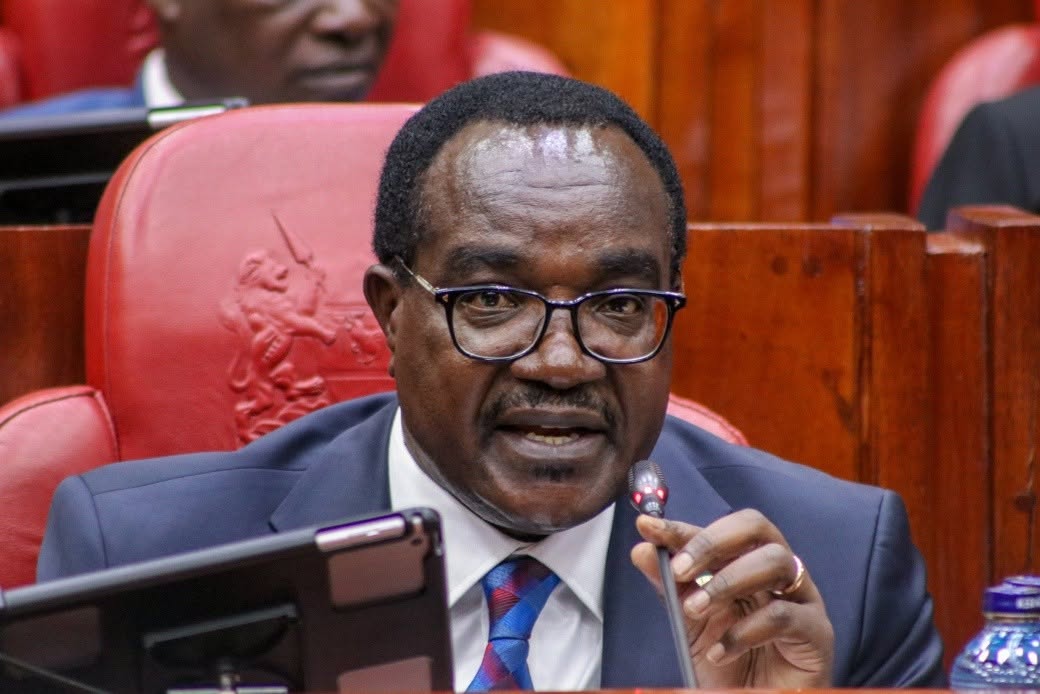
- Ogamba noted that allocation has remained unchanged at KSh 5.2 billion for years despite growing student enrolment and rising operational costs
- Persistent funding deficits as a result of inadequate budget allocations have contributed to pending bills in public universities
- Persistent funding deficits have contributed to pending bills in public universities
The Ministry of Education (MoE) has announced that, for the first time, Technical and Vocational Education and Training (TVET) institutions have received their full annual approved capitation allocation.
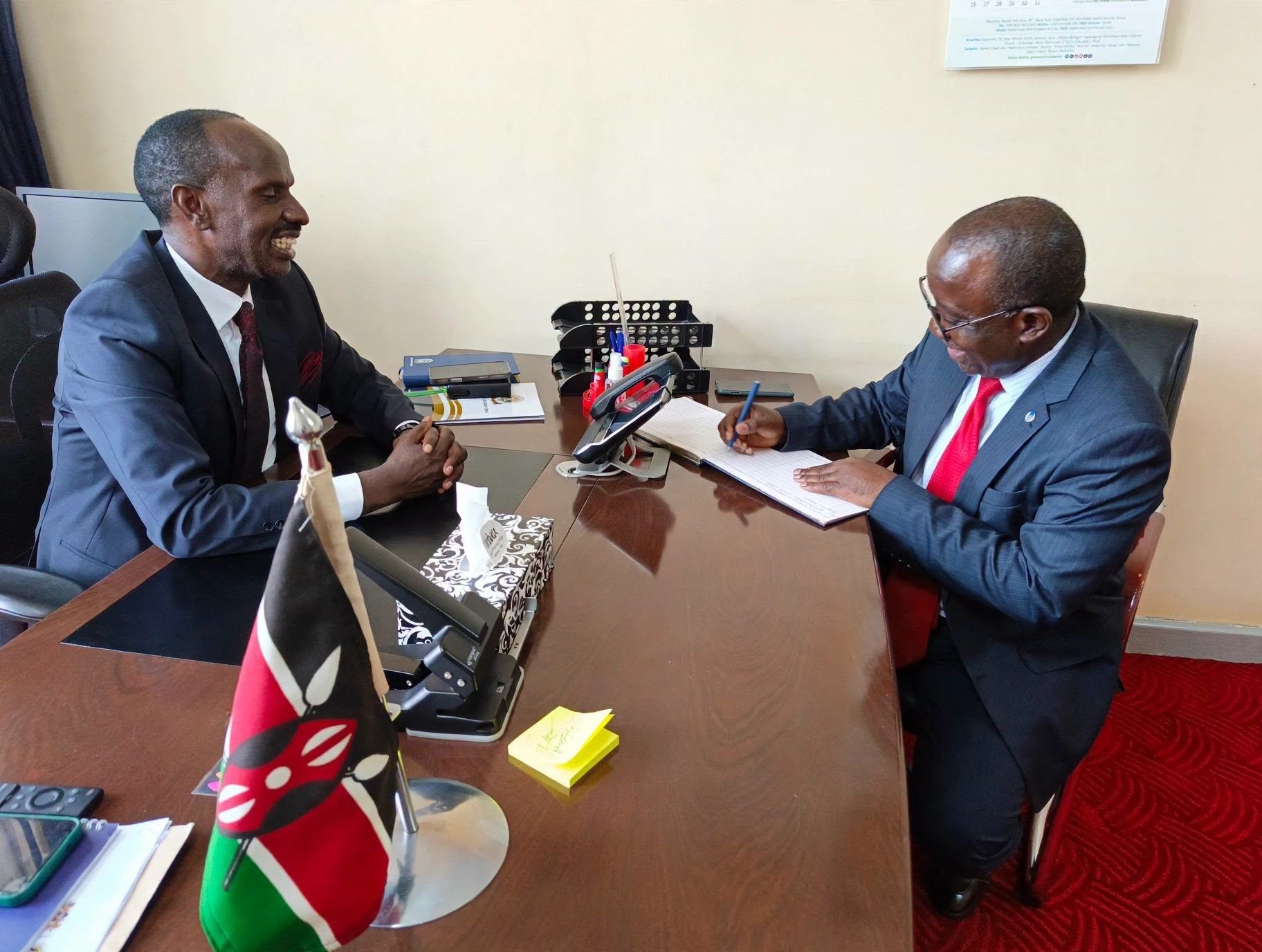
Appearing before the Parliamentary Public Investments Committee on Governance and Education, Education Cabinet Secretary Julius Ogamba said the government had fully disbursed the approved KSh 5.2 billion capitation for the 2025/2026 financial year.
However, he noted that the allocation has remained unchanged for years despite growing student enrolment and rising operational costs.
“The capitation has remained constant at KSh 5.2 billion despite the increase in student enrolment,” Ogamba said.
The CS told the members of parliament that the Student Centred Funding Model for TVET institutions continues to face significant financial constraints. He disclosed that the government has so far released KSh 7.2 billion, benefiting more than 200,000 students across the country, but a funding deficit of KSh 14.9 billion remains.
To bridge the financing gap, Ogamba said the ministry is encouraging TVET institutions to commercialise their training equipment and facilities to generate additional income, which can help settle pending bills and support operations.
Addressing concerns over delayed disbursement of funds, Ogamba attributed the delays to the National Treasury, saying the Ministry of Education submits requests for exchequer releases on time.
“Once Exchequer funds are released by the National Treasury, the ministry immediately transfers the funds to institutions. The main challenge is the budgetary shortfall rather than delays in disbursement,” he said.
The CS also outlined the funding situation in public universities, revealing substantial budget deficits under both the Student-Centred Funding Model and the previous capitation model.
ALSO READ:
More than half of TVET trainers yet to apply for licenses, ministry reveals
For the 2025/2026 financial year, universities required KSh 29.9 billion under the Student-Centred Funding Model but only KSh 18 billion was approved, leaving a funding gap of approximately KSh 11.9 billion.
Under the old capitation model, universities required KSh 40.4 billion, but only KSh 23 billion was approved, resulting in a shortfall of KSh 17.4 billion.
Overall, scholarships and grants for universities required KSh 70.3 billion, against an approved allocation of KSh 41.2 billion, creating an overall funding gap of about KSh 29.3 billion.
Ogamba said the persistent funding deficits have contributed to pending bills in public universities, stressing that the problem stems from inadequate budget allocations rather than delays in releasing approved funds.
He noted that the government is implementing several measures to ease financial pressure on higher learning institutions, including seeking additional resources through a supplementary budget.
The ministry is also promoting dual training programmes and the commercialisation of TVET equipment to generate additional revenue for institutions.
In addition, Ogamba said the government has directed that no new development projects should be initiated in public universities before ongoing projects are completed. He disclosed that about KSh 900 million is required to complete stalled projects in universities.
By Obegi Malack
You can also follow our social media pages on Twitter: Education News KE and Facebook: Education News Newspaper for timely updates.
>>> Click here to stay up-to-date with trending regional stories
>>> Click here to read more informed opinions on the country’s education landscape