- Education commentator Kennedy Buhere argues that literature teaching should prioritise meaning and life lessons over excessive analysis of literary devices.
- He supports concerns raised by Dennis Weche and Prof. Egara Kabaji about the current approach to teaching poetry.
- The article also reflects on how rigorous education and inspiring teachers nurture exceptional talent from an early age.
The recent debate on the teaching of poetry in Kenyan schools has reopened an important question: What should literature education seek to achieve?
Writing in The Standard, Dennis Weche argued that poetry has increasingly been reduced to an exercise in identifying literary devices rather than appreciating its emotional, philosophical and human significance.
“Poems have become repositories of stylistic devices. Students are trained to identify symbolism, irony and alliteration, yet seldom invited to experience the mystery, music and emotional truth that make poetry endure,” Weche observed.
His concerns have also been echoed by literature scholar Prof. Egara Kabaji.
I fully agree with these reservations.
Literature is about life
Poetry is fundamentally about a vision of life.
Readers approach literature in search of meaning, wisdom, emotion and understanding long before they begin analysing literary techniques.
The Roman poet and literary critic Horace argued that literature must both delight and instruct.
The real substance of poetry lies not in metaphors, irony or symbolism but in the ideas, emotions and experiences communicated through language.
Literary devices enrich expression, but they remain vehicles rather than destinations.
Throughout history, major literary critics have devoted greater attention to the ideas embodied in literature than to stylistic techniques.
Even Plato’s criticism of poets in The Republic centred on the visions they presented rather than the style in which they wrote.
Restoring balance in literature teaching
Literature should therefore primarily educate while also providing aesthetic enjoyment.
Unfortunately, classroom teaching and examination practices often reverse these priorities.
Teachers and examiners devote considerable attention to identifying literary devices while giving comparatively little emphasis to the messages, values and human experiences embedded within literary works.
This becomes particularly evident when learners encounter emotionally rich works such as Pablo Neruda’s Twenty Love Poems and a Song of Despair.
Students naturally identify with the joys, heartbreaks and emotional struggles presented in the poems.
Asking them merely to identify metaphors and symbolism often obscures the very essence of the work.
Assessment should therefore place greater emphasis on content, interpretation and critical reflection, with literary techniques serving only to deepen understanding.
Ideally, examinations should allocate approximately 75 per cent of marks to content and interpretation, leaving the remaining 25 per cent for form and style.
Does wisdom come with age?
Dennis Weche also suggested that literary greatness frequently emerges during youth, citing Pablo Neruda, John Keats, Arthur Rimbaud and Christopher Okigbo.
While youthful brilliance is undeniable, I respectfully disagree with the suggestion that wisdom has little relationship with age.
Confucius observed that wisdom develops through reflection, imitation and experience.
All three are closely connected to education.
The extraordinary achievements of Neruda, Chinua Achebe, Ngũgĩ wa Thiong’o, Mary Shelley, Benjamin Franklin, Martin Luther King Jr., Tom Mboya and many others did not emerge in isolation.
They were products of rigorous education, inspiring teachers, intellectually demanding curricula and supportive learning environments.
Alexander the Great benefited from the guidance of Aristotle himself.
Greatness rarely develops by accident.
Exceptional achievement grows where high academic standards exist.
Great teachers, excellent books, rigorous curricula and intellectually stimulating environments transform knowledge into wisdom.
Education should therefore aspire not merely to transmit information but to develop thoughtful, responsible and wise citizens.
The late Prof. Chris Wanjala once observed that literature turns boys into men and girls into women.
That transformation remains the highest purpose of literary education.
READ ALSO: How CBC is giving Baringo sign writer a second chance after 8-4-4 disappointment
Ultimately, we should never underestimate the influence of childhood experiences, inspiring teachers, quality books and rigorous education in shaping future greatness.
The biographies of extraordinary individuals repeatedly demonstrate that their later achievements were rooted not in titles acquired during adulthood but in the quality of education and mentorship they received during their formative years.
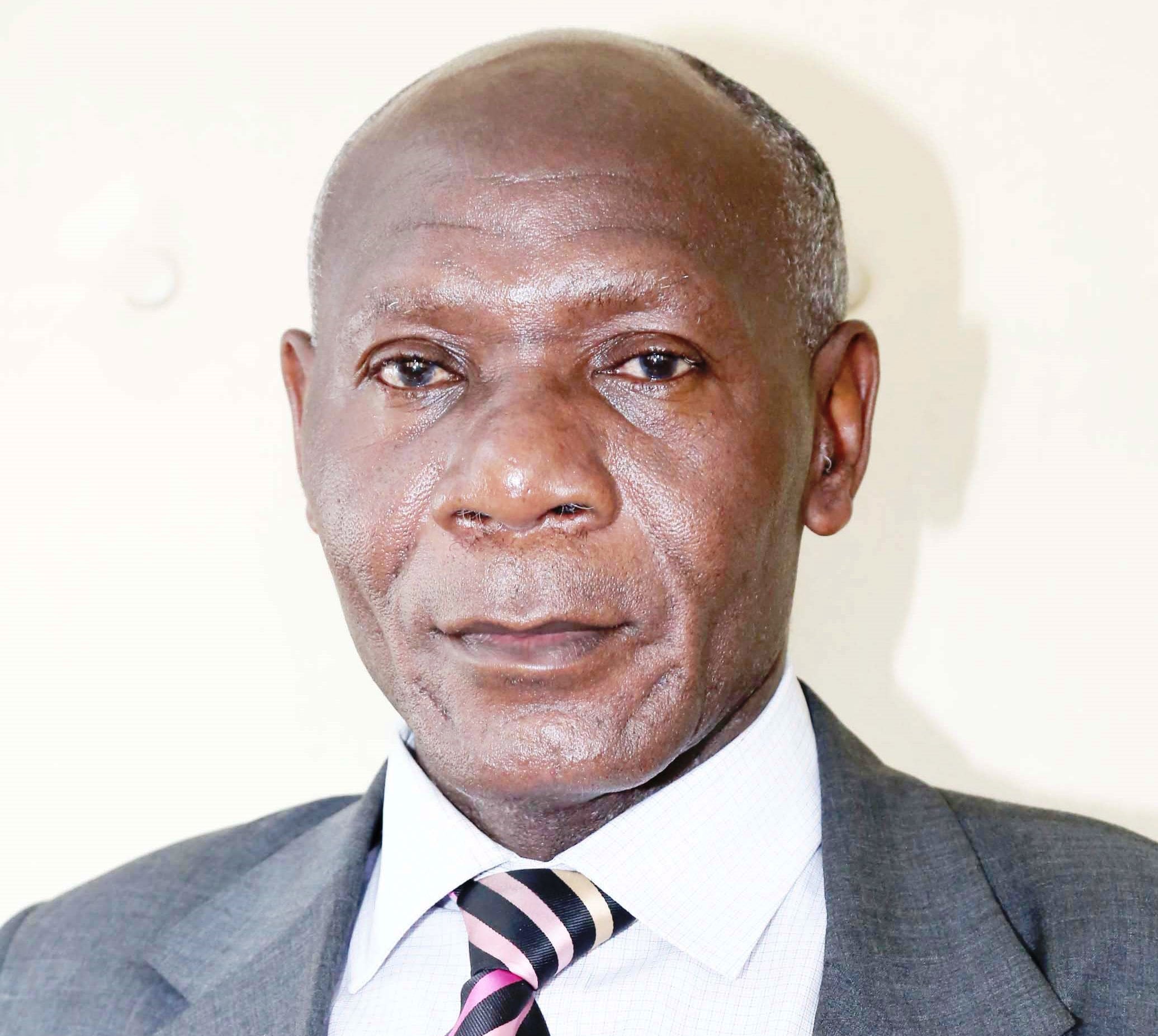
By Kennedy Buhere
Communication Specialist
buhere2003@gmail.com
You can also follow our social media pages on Twitter: Education News KE and Facebook: Education News Newspaper for timely updates.
>>> Click here to stay up-to-date with trending regional stories
>>> Click here to read more informed opinions on the country’s education landscape
>>> Click here to stay ahead with the latest national news.