- TSC commissioner nominee Antonina Lentojoni wants teachers to advance professionally without abandoning classroom instruction.
- Her proposal would recognise teaching expertise alongside the traditional administrative route to career advancement.
- The debate renews scrutiny of the 2018 Career Progression Guidelines and prolonged teacher stagnation.
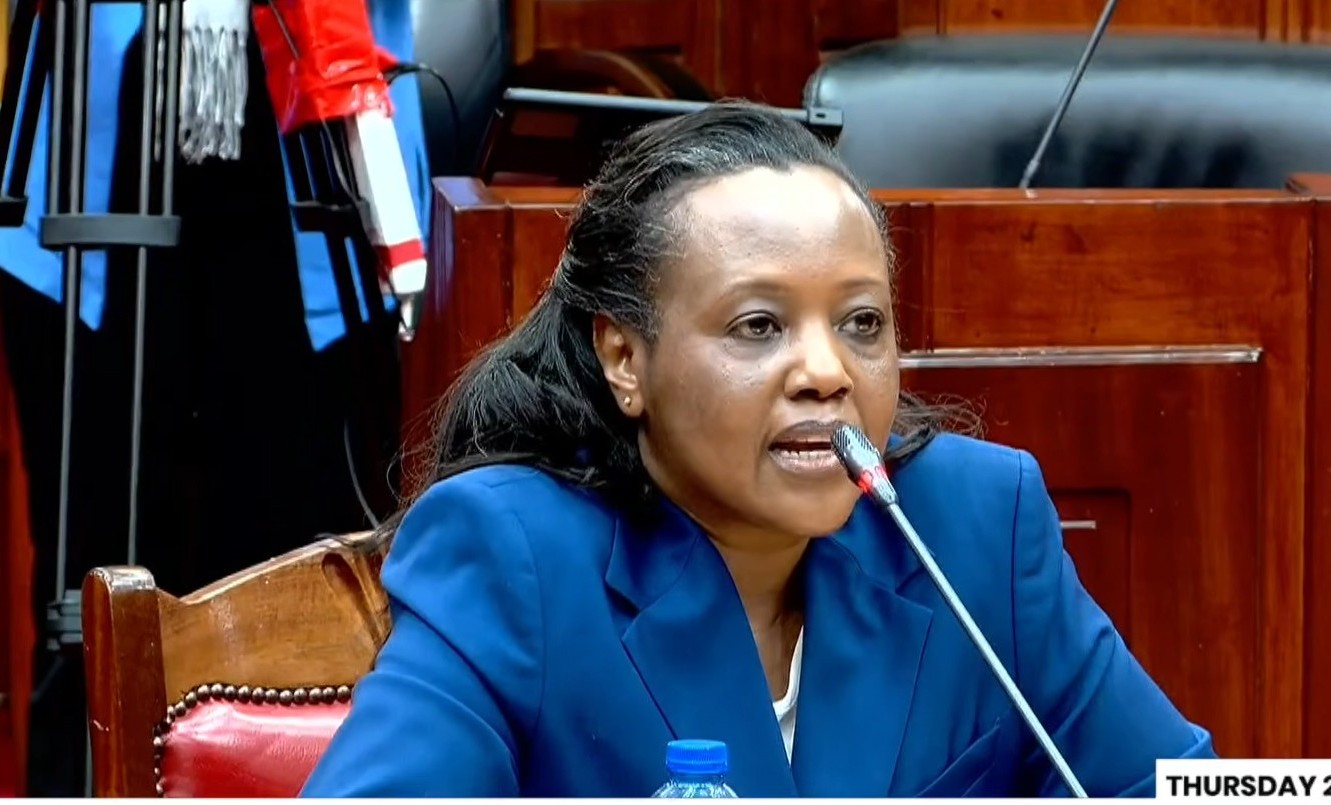
A fresh debate over the future of teacher promotions has emerged after Teachers Service Commission (TSC) commissioner nominee Antonina Lentojoni challenged the structure of career advancement for educators, calling for a system that allows teachers to rise professionally without being pushed out of the classroom.
Appearing before Parliament for vetting on Thursday, August 20, 2026, Lentojoni raised concerns about the current teacher career progression framework, arguing that its structure has contributed to prolonged stagnation among teachers seeking advancement.
Her remarks have placed the spotlight on the Career Progression Guidelines (CPG) of 2018 and the broader architecture governing promotion within the teaching profession.
At the heart of her argument is the need to recognise classroom teaching as a legitimate and rewarding career destination in its own right. Teachers, she suggested, should not have to move into administrative positions simply because they want to progress to higher professional levels.
The proposal could mark a significant shift in how Kenya approaches teacher development, promotion and professional recognition.
Breaking the administrative ceiling
For years, career advancement in the education sector has often been associated with movement into positions carrying greater administrative responsibility.
While school leadership remains an essential component of the education system, the model can create a difficult choice for experienced teachers: remain in the classroom and risk limited progression, or pursue administrative responsibilities to unlock further career opportunities.
Lentojoni’s position points towards an alternative model in which teachers can continue to specialise in instruction while progressing through a clearly defined professional ladder.
Under such a framework, an outstanding classroom practitioner could rise through successive grades based on teaching competence, subject mastery, mentorship, innovation, professional development and contribution to learner achievement.
Such an arrangement would also help preserve experienced teachers within classrooms, where their expertise can directly benefit learners and younger colleagues.
The long promotion wait
Lentojoni also drew attention to the history of teacher promotions, noting that teachers had been promoted in 2017 before facing a prolonged period without comparable advancement.
The issue of stagnation has remained a major concern among educators, particularly those who accumulate years of experience and additional qualifications but find limited opportunities to translate those achievements into career progression.
A career structure that does not provide predictable advancement can affect morale, professional motivation and the attractiveness of teaching as a long-term career.
For teachers, promotion is not simply about salary. It is also a recognition of professional growth, experience, responsibility and contribution to the education system.
Lentojoni’s reference to the 2018 Career Progression Guidelines brings renewed attention to the framework used to guide teacher advancement.
The guidelines were intended to establish a structured career pathway, but changing demands within Kenya’s education system have created new questions about whether the existing model remains sufficiently responsive.
The growth of Competency-Based Education (CBE), expansion of Junior School, increased demand for specialised subject teachers and the changing responsibilities of educators all require a career structure capable of recognising different forms of professional expertise.
A review could therefore examine whether promotion criteria adequately reward classroom excellence alongside leadership and administrative responsibilities.
Towards a dual career path
One possible direction emerging from the debate is the development of a dual career pathway.
Under such a model, teachers could progress along a classroom-specialist track or an administrative-leadership track, with both offering meaningful professional recognition and improved remuneration.
The classroom pathway could recognise teachers who demonstrate exceptional pedagogical ability, mentorship, curriculum expertise, innovation and sustained professional development.
The leadership pathway, meanwhile, could continue to cater for teachers who aspire to become heads of institutions, education managers or administrators.
Such a structure would eliminate the perception that leaving classroom teaching is necessary to achieve professional advancement.
A test for future reforms
Lentojoni’s testimony has consequently expanded the conversation beyond individual promotion exercises to the fundamental design of the teaching profession.
The emerging question is whether Kenya can create a career structure in which teachers are able to advance consistently, fairly and transparently without abandoning the classroom.
For the TSC, any future review will have to balance institutional leadership requirements with the need to retain experienced classroom practitioners.
It will also need to address the concerns of teachers who have spent years accumulating experience and professional qualifications while waiting for opportunities to move forward.
The ultimate test of reform will therefore not simply be the number of teachers promoted in a particular year. It will be whether the system creates a sustainable professional ladder that rewards excellence at every stage of a teacher’s career.
READ ALSO: Kwale learners to benefit from three new learning facilities constructed under Mwache Dam project
Lentojoni’s intervention has placed that question firmly on the national education agenda.
By Hillary Muhalya
Get more stories from our website: Education News
To write to us or offer feedback, you can reach us at: editor@educationnews.co.ke
You can also follow our social media pages on Twitter: Education News KE and Facebook: Education News Newspaper for timely updates.
>>> Click here to stay up-to-date with trending regional stories