








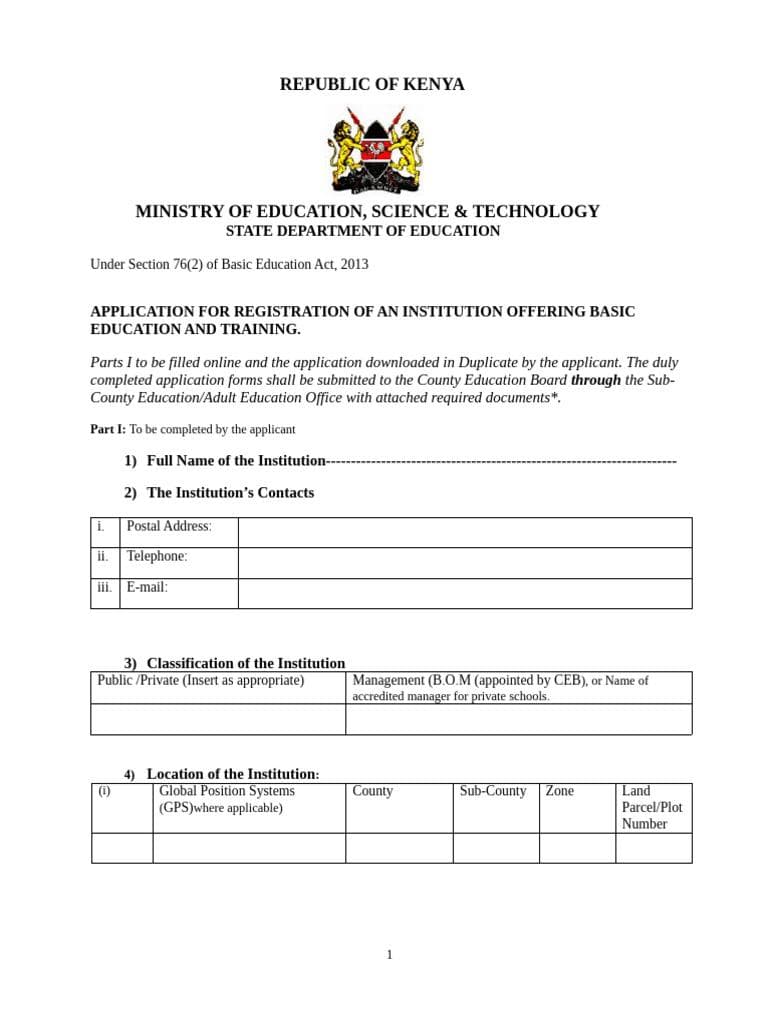
- Education writer Hillary Muhalya argues that legal documentation is the foundation of a school’s legitimacy, accountability and long-term stability.
- From registration certificates to financial audits, proper records help institutions comply with regulations and avoid disputes.
- Strong documentation protects learners, staff and school leaders while promoting effective governance.
By Hillary Muhalya
Every school, whether public or private, operates within a structured legal and administrative framework that determines its legitimacy, stability and ability to deliver quality education.
Beyond classrooms, teachers and learners, there exists an essential backbone of documentation that safeguards institutions from legal disputes, ensures compliance with government regulations and promotes accountability in leadership and finance.
These documents are not mere formalities. They form the foundation upon which the credibility, order and continuity of a school are built. Without them, even a well-performing institution risks instability, sanctions or eventual closure.
Registration and Operational Approval
At the core of a school’s legal existence is the registration certificate, which confirms that the institution is officially recognised as a legitimate learning centre.
Closely linked to registration is the operating licence or approval letter, which confirms that the school has satisfied the required standards relating to infrastructure, staffing, safety and curriculum readiness.
Together, these documents establish the institution’s legal authority to provide education services.
Land Ownership and Governance
Proper documentation of land ownership or usage rights is equally important. Whether through title deeds, lease agreements or community arrangements, schools must secure their physical location through legally recognised instruments.
Governance structures are similarly guided by constitutions, governance charters and documented appointments of Board of Management members.
These records define leadership responsibilities, decision-making processes and accountability mechanisms, helping prevent conflicts and governance disputes.
Staff and Learner Records
Employment contracts for teachers, administrators and support staff form another critical pillar of school documentation.
Schools are also expected to maintain accurate student admission and enrolment records, including admission registers, learner files and supporting identification documents.
These records help safeguard institutional integrity while supporting academic progression, examination registration and national education planning.
Policies and Financial Accountability
Comprehensive policy manuals covering child protection, discipline, health and safety, attendance and technology use help ensure consistency in school operations.
Financial documentation is equally important. Schools must maintain fee records, budgets, receipts, payment logs and audited financial statements to demonstrate transparency and accountability.
Strong financial records not only build trust among stakeholders but also protect institutions from allegations of mismanagement.
Safety, Insurance and Curriculum Compliance
Schools are also required to maintain health and safety compliance documents, including fire safety certificates, building inspection reports and emergency preparedness plans.
Insurance policies provide additional protection against risks such as fire, theft and accidents.
Curriculum approval documents ensure that learners are studying recognised programmes that support further education and career progression.
Protecting Schools in a Digital Era
With increasing digitisation, schools must also maintain data protection and privacy policies to safeguard sensitive information relating to learners, staff and families.
In addition, disciplinary records and minutes of meetings from Boards of Management, Parent-Teacher Associations and staff forums provide important evidence of institutional decision-making and due process.
Ultimately, legal documentation is not simply an administrative requirement. It is a central pillar of institutional stability, accountability and continuity.
From registration certificates and governance charters to financial audits and safety reports, every document serves a specific purpose in protecting the school and ensuring it operates within the law.
READ ALSO: EU, Equity Foundation to send 100 scholars annually to European universities
A school that maintains proper documentation builds trust, avoids legal conflicts and creates a structured environment where education can flourish without interruption. Strong documentation is therefore not merely about compliance; it is about safeguarding the future of learners and ensuring that institutions stand on solid legal and ethical foundations.
You can also follow our social media pages on Twitter: Education News KE and Facebook: Education News Newspaper for timely updates.
>>> Click here to stay up-to-date with trending regional stories
>>> Click here to read more informed opinions on the country’s education landscape




Reader Discussion (0)
Sign in to comment