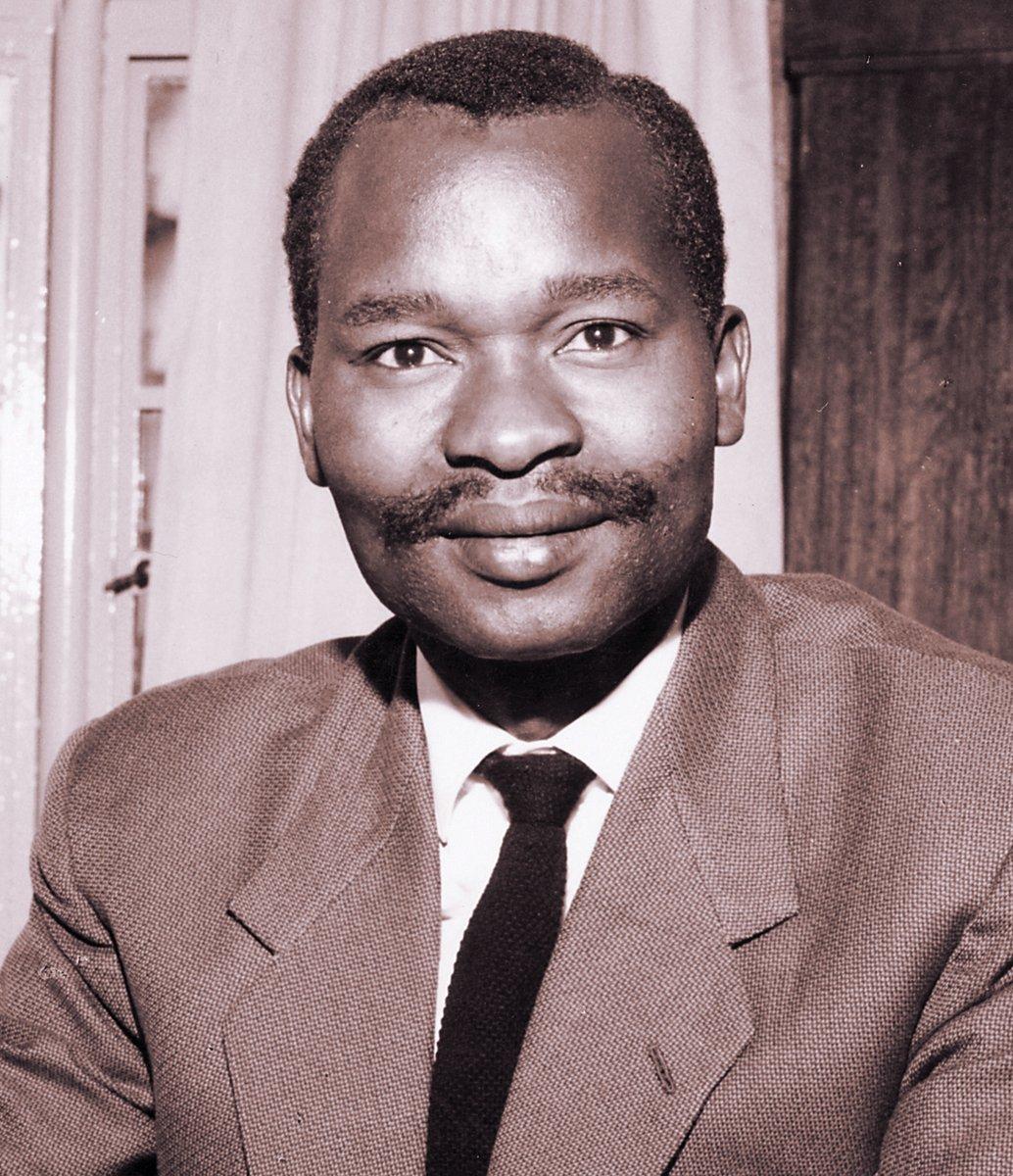
- Enock Okong’o reflects on Lawrence George Sagini’s command of English and its influence on his public career.
- From teaching to Parliament and Cabinet, Sagini demonstrated how effective communication can complement academic and professional qualifications.
- His story challenges today’s graduates to develop communication skills alongside the qualifications they acquire from universities and colleges.
What set Lawrence George Sagini apart from other legislators both in the Legislative Council in Nairobi and at the Lancaster House Conferences in London was not just his political courage, but his mastery of the Queen’s English.
He spoke fluently, correctly and confidently. When others struggled to express a complex constitutional point, Sagini would rise, arrange his thoughts in perfect English and persuade both Africans and the British. That command of language put him above many of his peers and earned him respect as a statesman.
Sagini was born on January 1, 1926, at Gesonso village in what is now Kisii County. He was the first son of Ndemo Kibagendi, a respected traditional leader who served as President of the African Tribunal Courts in Kisii, and Esther Nyanganyi. Sagini belonged to the Mwabogonko clan. His mother was a Seventh-day Adventist deaconess before later converting to Catholicism.
He began his education in 1934 at Isecha Sector School, then joined Kisii Government African School in 1937. He later joined the prestigious Kabaa Mang’u Holy Ghost College, commonly known as Mang’u School.
He trained as a teacher at Kagumo Teachers’ Training College in Nyeri and graduated in 1950, after which he worked as a teacher, headmaster and education officer in Central and South Nyanza.
In 1957, he left teaching to study at Allegheny College in Pennsylvania, US. He graduated in 1959 with a Bachelor of Arts degree in Sociology and Political Science, with honours.
He returned to Kenya and taught briefly at Asumbi Teachers College before being appointed Assistant Education Officer in 1960. He also served on the Provincial Council of the then University of East Africa.
In his family life, he married Mary Nyaboke in 1950 and they had six children. He was known for tutoring his own children and siblings, especially in mathematics. He also supported the education of several of his brothers, including Dr Bitange Ndemo.
As Kenya moved towards independence, new constituencies were created and Kisii was delinked from South Nyanza.
Sagini contested and won the Legislative Council seat in 1961 on a KADU ticket. He was among the Kenyan delegates to the Lancaster House Conferences, where Kenya’s constitutional arrangements ahead of independence were negotiated.
Sagini served as Minister for Education between 1962 and 1963, becoming the first African to hold the portfolio. Official Kenya Gazette notices from February 1963 identify him as Minister for Education.
In 1963, he was elected MP for Kitutu West and subsequently served as Minister for Lands, Game, Fisheries, Water and Natural Resources in Kenya’s first independence Cabinet. When Kenya became a Republic in 1964, he moved to the Ministry of Local Government, where he served until 1969, when he lost his parliamentary seat.
Life beyond politics
After politics, Sagini did not fade away. He joined the private sector and served as General Sales Manager and later General Manager at Firestone East Africa Limited.
He also chaired and served on several boards, including the Agricultural Development Corporation, Kenya Seed Company and the Council of the University of Nairobi.
The University of Nairobi later recognised him posthumously for his contribution to the country and his service as chairman of the University’s Council.
Sagini died on August 1, 1995, following a road accident. He was 69.
Lesson for today’s graduates
The life of Lawrence Sagini carries a strong message for today’s qualified graduates. A paper degree alone is not enough.
What made Sagini employable, electable and respected was effective communication. Fluent English gave him personal growth and confidence to interact with people from different backgrounds.
It contributed to his professional growth and allowed him to move from the classroom to Parliament and to the corporate boardroom. It also gave him national value because, at Lancaster, Kenya needed people who could articulate complex constitutional and political positions effectively.
This should be a testimony to all graduates that we must embrace effective communication in addition to our paper degrees.
READ ALSO: West Pokot ECDE teachers urged to remain at work as salary dispute moves to conciliation
In today’s competitive world, those who can write a clear proposal, speak well in an interview and present an idea persuasively can strengthen their prospects of getting jobs, winning tenders and assuming leadership positions.
Let us invest in language as Sagini did.
By Enock Okong’o
Get more stories from our website: Education News
To write to us or offer feedback, you can reach us at: editor@educationnews.co.ke
You can also follow our social media pages on Twitter: Education News KE and Facebook: Education News Newspaper for timely updates.
>> Click here to stay up-to-date with trending regional stories