- The Kenya Wildlife Service has launched a new programme to promote conservation education, outdoor learning and student well-being.
- Learners from schools, colleges and universities will enjoy subsidised access to parks, reserves and wildlife sanctuaries.
- KWS says the initiative will nurture future conservation champions while supporting mental wellness through nature-based experiences.
By Joseph Mambili
The Kenya Wildlife Service (KWS) has introduced a new national initiative targeting schools and institutions of learning to strengthen conservation awareness, support mental wellness and encourage outdoor education through visits to parks, reserves and wildlife sanctuaries across the country.
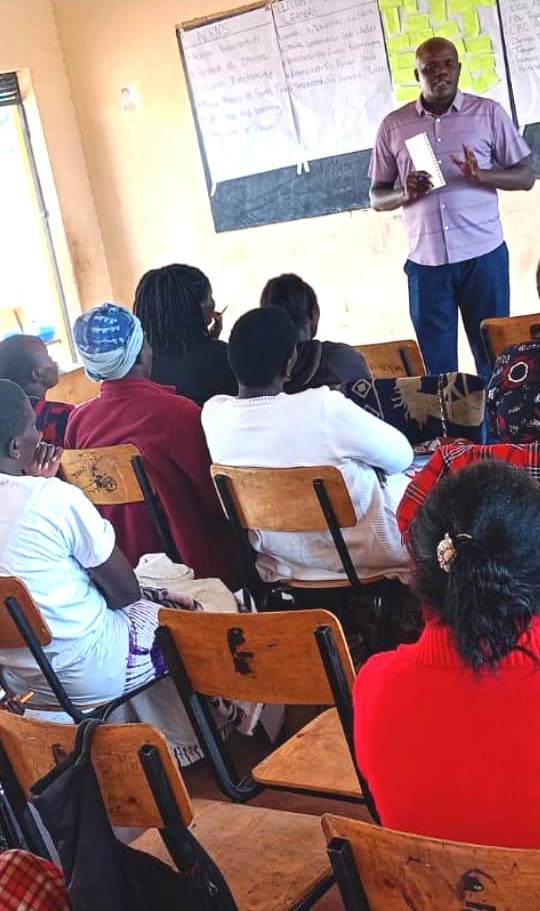
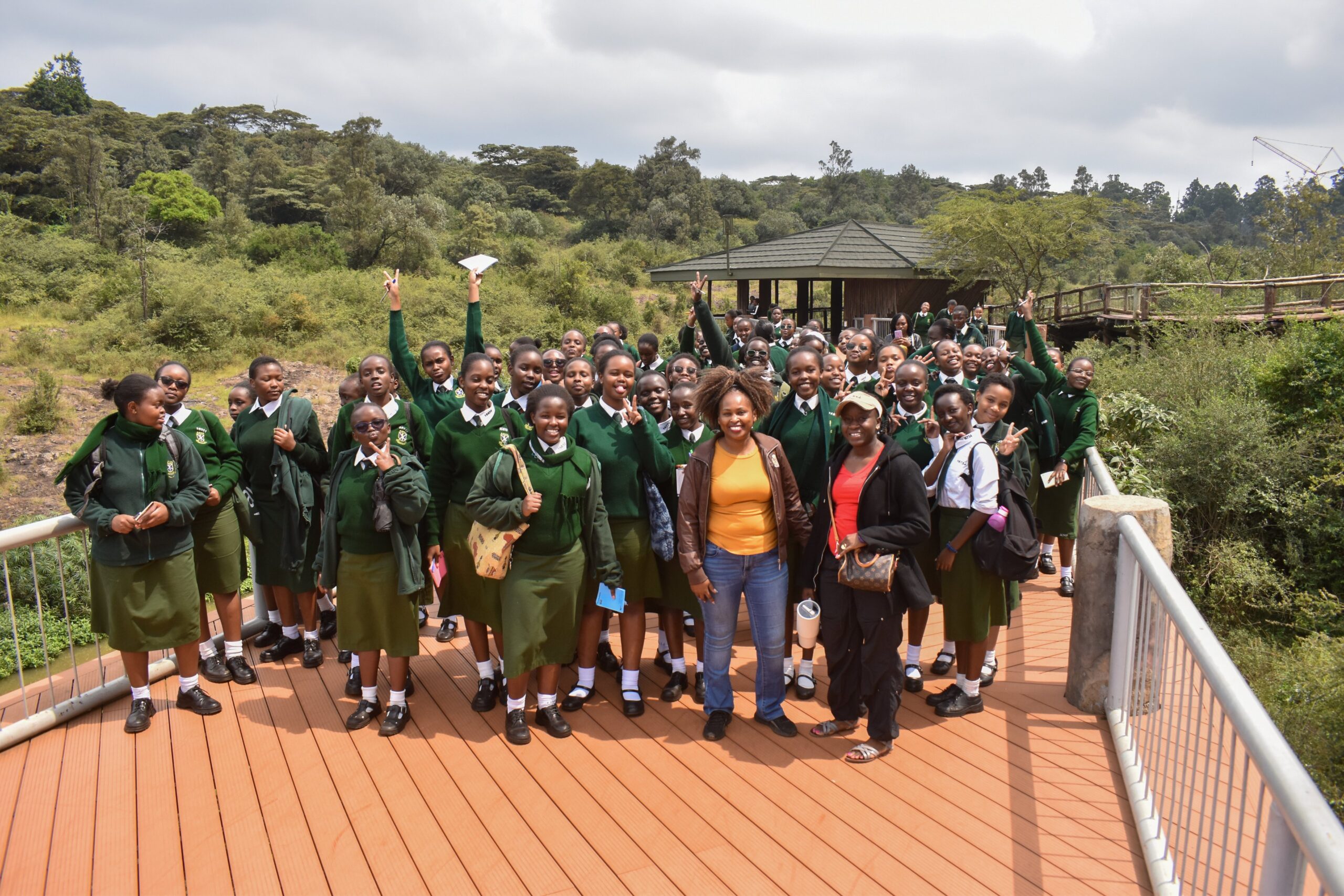
Known as Wild Scholars, the programme was launched at the Nairobi Safari Walk, where the first group of 400 students from Alliance Girls High School participated in an interactive conservation learning session.
KWS said the initiative is intended to supplement classroom instruction by giving learners practical exposure to wildlife conservation while creating opportunities for them to unwind, connect with nature and escape the pressures associated with academic life.
“The future of wildlife conservation does not just sit in textbooks,” KWS said in a statement, noting that the programme is designed to nurture the next generation of conservation champions through hands-on experiences in natural settings.
Focus on Student Well-being
The agency said the programme comes at a time when concerns about student mental health are increasing, making it necessary to provide environments that promote relaxation and emotional well-being.
“Academic terms are demanding, and the daily pressures on young minds can be heavy. Our students need constructive outlets and peaceful sanctuaries where they can clear their minds and reset,” the agency said.
Subsidised Access for Learners
Under the Wild Scholars programme, learners from early childhood education centres, primary and secondary schools, colleges and universities will enjoy subsidised access to selected conservation areas.
Students visiting premium destinations such as Amboseli National Park and Lake Nakuru National Park will pay an entry fee of Sh500.
Those touring parks including Nairobi National Park, Tsavo East National Park and Tsavo West National Park will pay Sh400.
To reduce transport costs, KWS has introduced discounts of up to 40 per cent on bus entry charges, with a maximum charge of Sh3,000 for larger school buses.

The service has also announced an extra 10 per cent reduction in park entry fees for educational groups visiting between Saturday and Monday.
In addition, up to three accompanying teachers or facilitators per school group will receive free admission to support supervision and coordination during educational tours.
Schools will also benefit from 10 complimentary entries for every 100 paying students, while children under six years of age will continue enjoying free access.
Building Future Conservation Champions
The initiative supports national efforts to enhance environmental literacy and inspire young people to become active participants in wildlife conservation.
KWS noted that wildlife conservation remains critical to Kenya’s tourism industry, environmental protection efforts and economic growth, making conservation education an important investment in the country’s future.
The agency has urged school administrators, teachers and parents to take advantage of the programme by integrating nature-based learning into educational activities.
Through increased access to wildlife conservation areas, KWS hopes to raise a generation of environmentally conscious citizens who appreciate the importance of protecting natural resources while recognising the positive impact of nature on mental health and personal growth.
READ ALSO: Kenya sweeps top honours as Ongoro wins East African Mathematical Olympiad
The programme will be implemented in KWS-managed parks, reserves and sanctuaries across Kenya, giving thousands of learners an opportunity to explore, learn and interact with the country’s diverse wildlife heritage.
You can also follow our social media pages on Twitter: Education News KE and Facebook: Education News Newspaper for timely updates.
>>> Click here to stay up-to-date with trending regional stories
>>> Click here to read more informed opinions on the country’s education landscape