- Hillary Muhalya examines how Kenyatta University is expanding Chinese-language learning through new academic resources and partnerships.
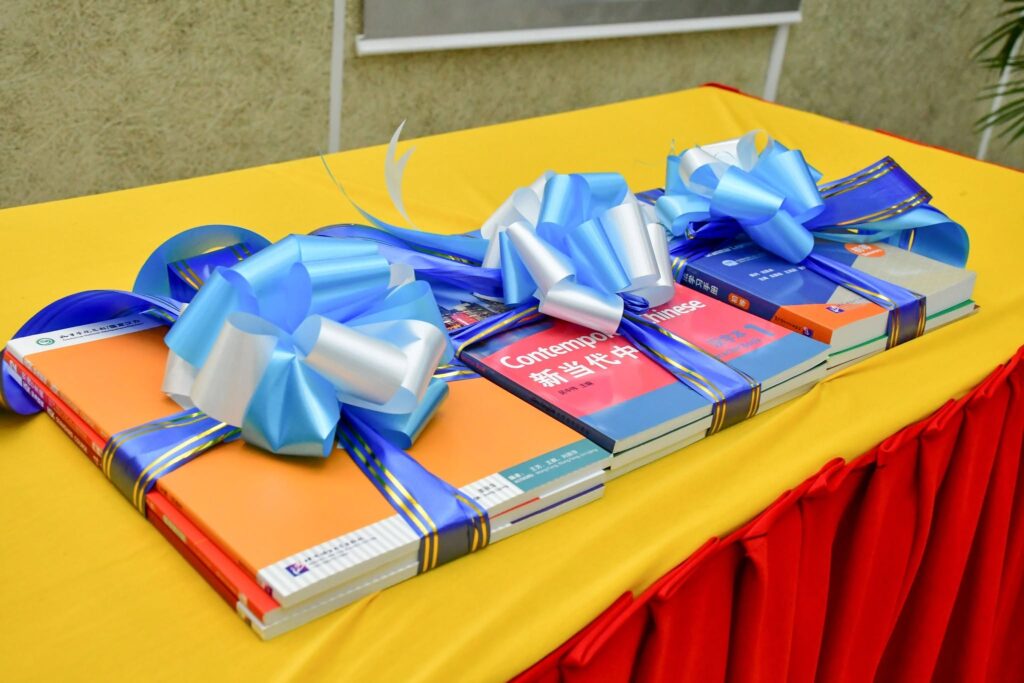
- The university has received about 300 books supporting language learning, research, publishing and cultural exchange.
- The initiative could give students broader competencies in language, communication, research and international engagement.
Kenyatta University is expanding its Chinese-language programmes and academic resources as it seeks to give students competencies that stretch beyond the classroom and into an increasingly global education and employment landscape.
The university received about 300 books from China Education Publishing and Media Group Limited (CEPMG) on September 23, 2026, in an initiative that combines language learning, academic research, publishing and cultural exchange.
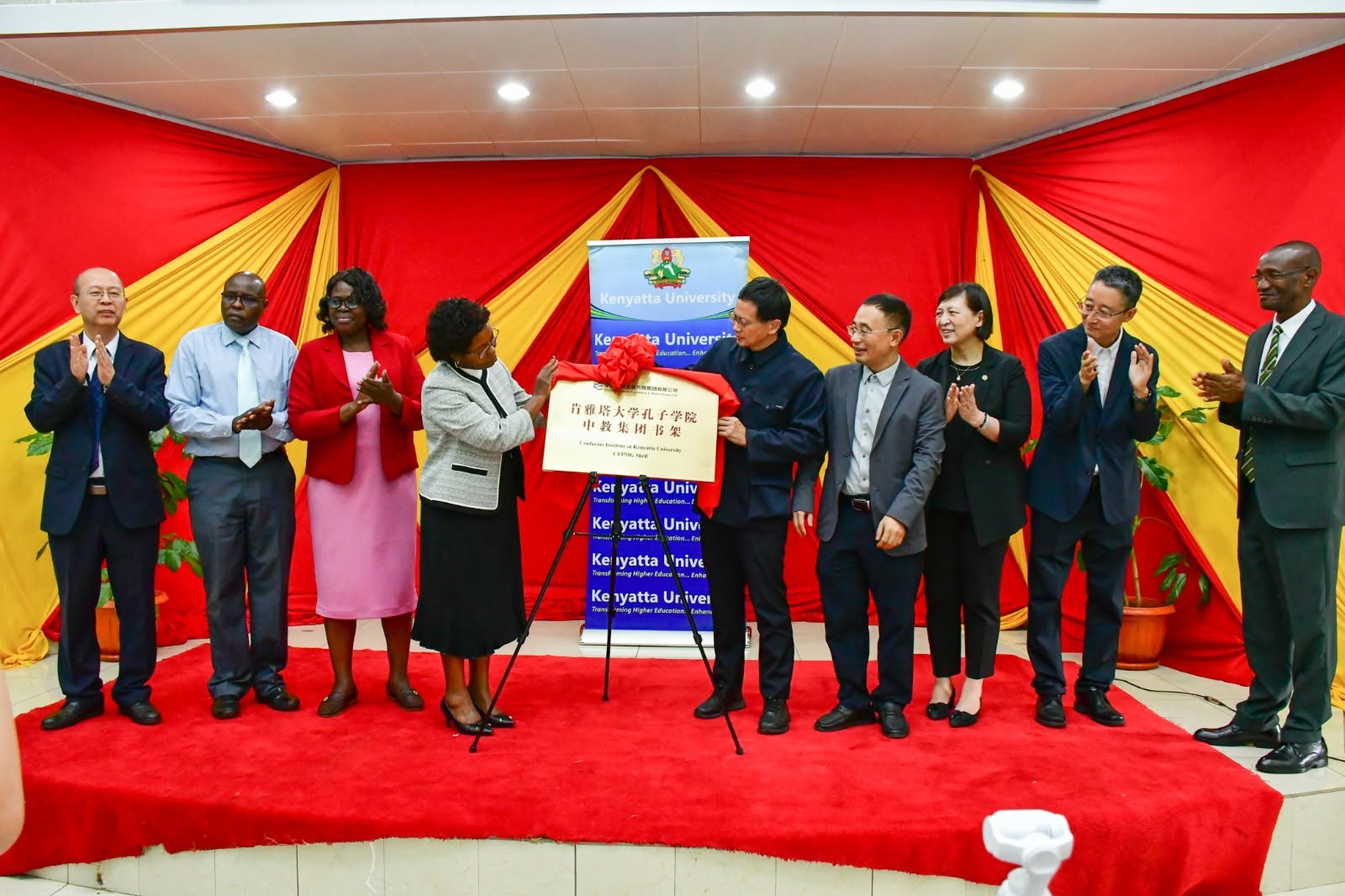
The books were unveiled during the launch of the CEPMG Bookshelf Project at the university’s Confucius Institute.
The collection includes Chinese-language textbooks and publications covering culture, humanities, social sciences and technological innovation. Some of the materials will support students preparing for HSK Chinese-language proficiency examinations.
The launch was accompanied by the signing of a memorandum of understanding between CEPMG and the Confucius Institute, establishing a framework for cooperation in education, publishing and research.
Representing Vice-Chancellor Professor John Okumu, Professor Lucy Maina said the books had been selected jointly by CEPMG and the Confucius Institute according to the university’s academic programmes and students’ learning needs.
“This initial donation of about 300 carefully selected books represents much more than pages on a shelf,” Maina said.
She said the resources would strengthen Chinese-language programmes while giving students and faculty access to quality academic materials.
The partnership is expected to move beyond the initial donation, with the two institutions exploring joint textbook development, translation, publishing initiatives and educational research.
The university will also work with CEPMG to periodically update the collection according to demand and use.
Maina thanked CEPMG for meeting the costs of the donation, including transportation of the books.
“To our students and faculty, this bookshelf is yours. Explore it, learn from it, and use it to expand your global horizons,” she said.
The books will be available through the Confucius Institute library.
The bigger education shift
The project arrives against a wider shift in education towards developing learners who can apply knowledge, communicate effectively and operate across different environments.
That provides a natural connection with competency-based education, where knowledge is increasingly linked to demonstrable skills and practical application.
Chinese-language learning, for example, can expose students not only to another language but also to culture, history, communication and international perspectives.
The donated materials provide an academic foundation for that learning.
Their impact, however, will depend on how effectively students and lecturers use them in lessons, assignments, research and other academic work.
Professor Leonard Chacha, Director of the Confucius Institute, described the launch as a historic moment bringing together academia, culture and international friendship.
He said the institute had become a bridge for learning and cooperation between Kenya and China.
“Books are more than paper. They are tools to empowerment, leads to understanding each other as people and understanding culture,” Chacha said.
Chief University Librarian Samuel Muthami, representing Dr George Gitau Njoroge, said the books would inject fresh resources into the university library.
“A library is a growing organism, and the books will serve as an injection of new nutrients,” Muthami said.
He said the donation would help strengthen the university’s library resources and could contribute to developing a useful specialised resource centre.
Professor David Minja, Executive Dean of the School of Law, Arts and Social Sciences, said the books would support teaching and learning in areas including Chinese culture, history and philosophy.
Professor Perez Onono said the Confucius Institute continued to provide a platform for cultural exchange and cooperation between Kenya and China.
From certificate to degree
The development comes as the university’s Chinese-language programmes expand.
The university’s Registrar Academic said the Confucius Institute had grown from proficiency and certificate-level programmes to diploma studies, with a bachelor’s programme at an initial stage of implementation.
That progression potentially creates a broader academic pathway for students interested in Chinese language and culture.
It also creates room for students to combine language competencies with other disciplines, depending on how the programmes are structured and implemented.
CEPMG Deputy General Manager Song Yidong said the organisation was focused on cultural exchange and strengthening Chinese-language teaching.
He said the partnership could lead to further cooperation, including teacher training and development of vocational education courses.
Wang Weiquan, Editor-in-Chief of Higher Education Press, said higher education publishing could promote communication and knowledge about different cultures.
He said similar bookshelf projects had been established in South Africa and Switzerland, describing the initiative as a starting point for further cooperation.
Professor Zhou Xiaodong, Chinese Director of the Confucius Institute, said the resources would enrich the university library, promote learning and strengthen mutual understanding.
Established in 2008, the Confucius Institute at Kenyatta University has steadily expanded its Chinese-language teaching and learning activities.
The latest project adds an important academic resource to that growth.
But the significance of the bookshelf will ultimately lie beyond the physical books.
The real test will be whether students turn the resources into stronger language proficiency, research, communication, cultural understanding and other competencies that can be applied in further education and professional settings.
For Kenyatta University, the 300 books therefore represent more than a donation.
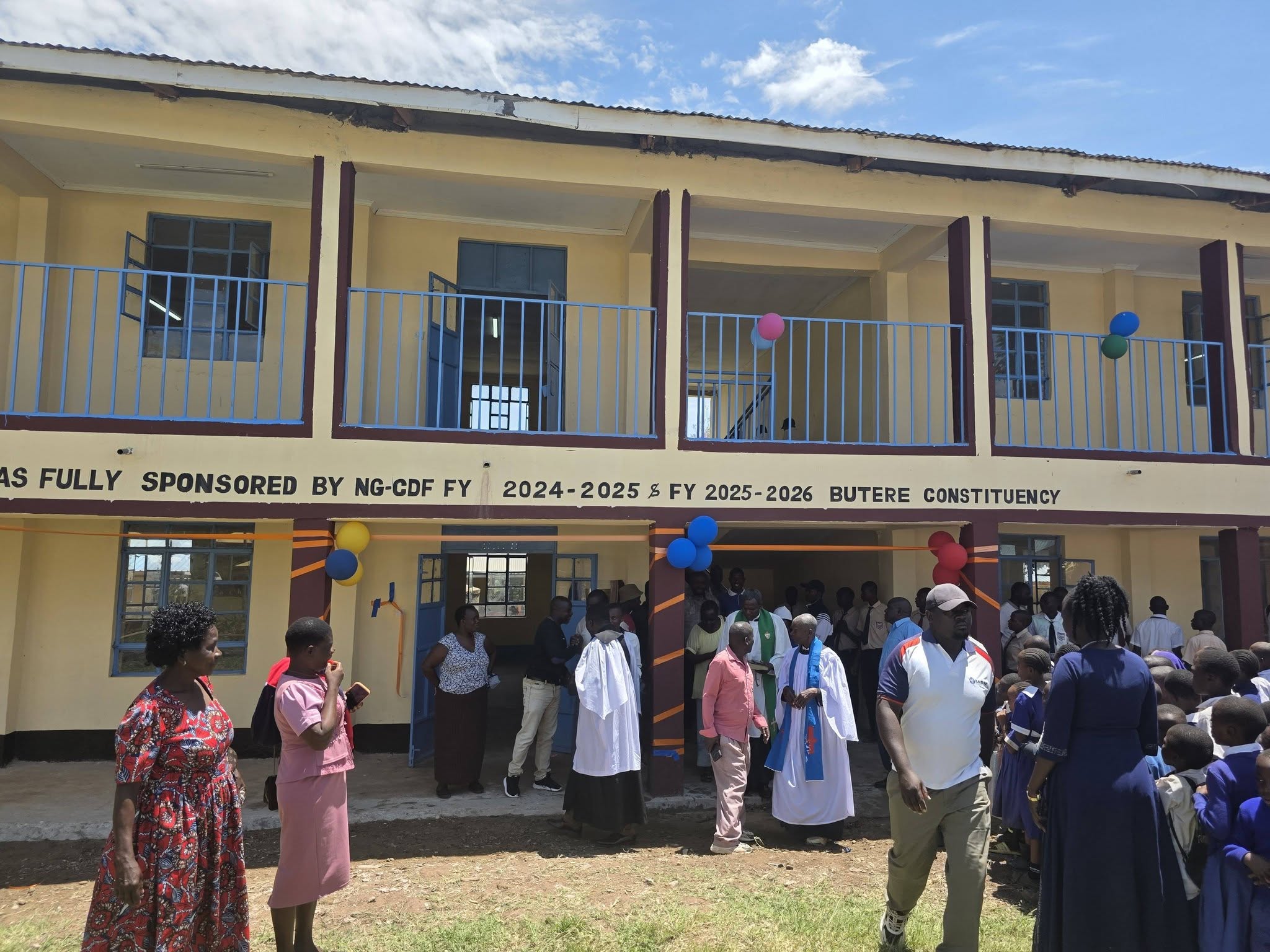
READ ALSO: Butere MP commissions 8-classroom storey block at Imanga Senior School
They form part of an expanding education bridge between Kenya and China—one that connects the classroom to language, culture, research, publishing and global engagement.
By Hillary Muhalya
Get more stories from our website: Education News
To write to us or offer feedback, you can reach us at: editor@educationnews.co.ke
You can also follow our social media pages on Twitter: Education News KE and Facebook: Education News Newspaper for timely updates.
>> Click here to stay up-to-date with trending regional stories